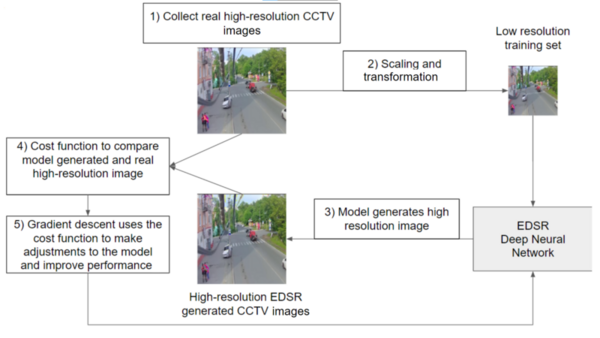
In this study, the authors hypothesized that closed-circuit television images could be stored with improved resolution by using enhanced deep residual (EDSR) networks.
Read More...Deep residual neural networks for increasing the resolution of CCTV images
In this study, the authors hypothesized that closed-circuit television images could be stored with improved resolution by using enhanced deep residual (EDSR) networks.
Read More...Mitigating open-set misclassification in a colorectal cancer detecting neural network
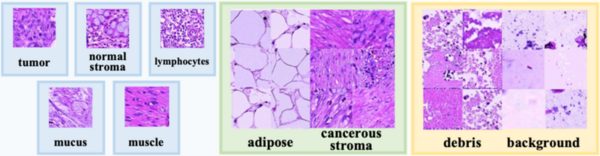
The authors develop a machine learning method to reduce misclassification of objects in safety-critical applications such as medical diagnosis.
Read More...The role of furry friends in facilitating social interaction during the COVID-19 pandemic
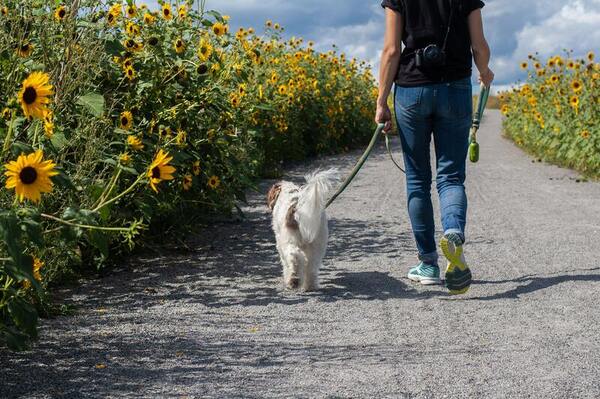
The COVID-19 pandemic has caused disruption in social interactions. In this study, the authors tested if walking a dog will change human interactions and found that walking with a dog increased social interaction.
Read More...COVID-19 pandemic impact on emotional aspects of high school students

In this study, the impact of shutting down schools on the emotional aspects of high school students was analyzed using survey responses.
Read More...A comparative study on the suitability of virtual labs for school chemistry experiments
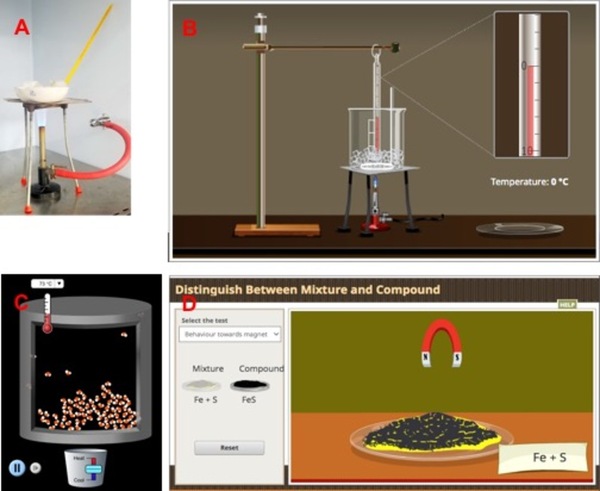
Virtual labs have been gaining popularity over the last few years, especially during the worldwide lockdown due to the COVID-19 pandemic. In this study, the suitability of virtual labs for school chemistry experiments is addressed and their effectiveness is compared to traditional physical lab experiments by focusing on physical and human resources, convenience, cost, safety, and time involved as well as topic "matter".
Read More...The Relationship Between Close-Range Shooting Distance and Nitrite Patterns on Cotton and Polyester Clothing
At a crime scene, the presence and pattern of gunshot residue can help forensic scientists piece together the events that occurred. To assist this, the authors of this paper determined the relationship between shooting distance and nitrite residue patterns left on fabric targets.
Read More...Effects of airport runoff pollution on water quality in bay area sites near San Francisco and Oakland airports
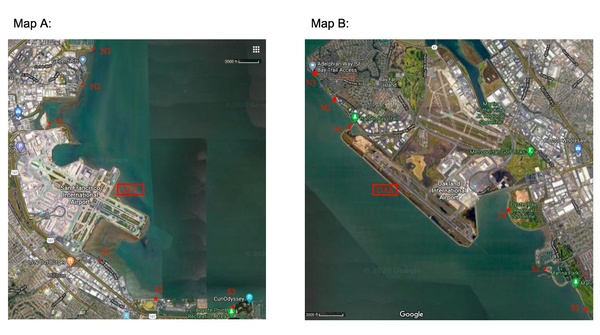
In this study, the authors sample water at different points closer and closer to two different airports to determine if these airports may be contributing to water pollution, specifically by measuring metals, nitrates, and pH.
Read More...The Prevalence of Brain-Eating Roundworm Baylisascaris procyonis in Merrick County, Nebraska
_(1).jpg)
The authors investigated an important parasite-host relationship between the raccoon roundworm and the raccoon to understand how parasite prevalence is affected by location. They found that the parasite infection was more prevalent in raccoons found closer to human dwellings, though the number of roundworm eggs was not significantly different. These results are important human health, since roundworm infection is lethal to humans and can be transmitted from raccoons to humans - the authors suggest that more research into this parasite and awareness of its prevalence is needed to prevent disease.
Read More...Study of PINN sensor layout in evaluating WSS with application to patient-specific carotid flow
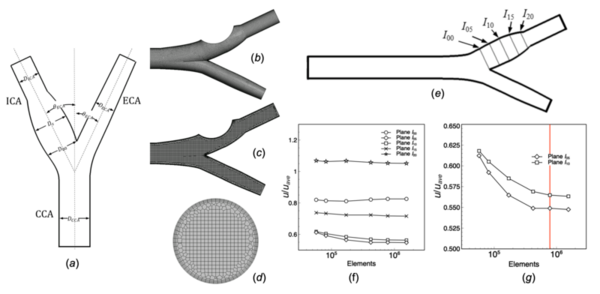
Physics‑Informed Neural Networks (PINNs) offer a promising way to estimate blood‑flow behavior in arteries, especially near the vessel wall where traditional methods struggle. In this study, students tested how sensor density and placement affect PINN accuracy in modeling carotid artery flow and found that accuracy improves up to a moderate sensor density and depends strongly on how close sensors are placed to the arterial wall. Applying the optimized configuration to a patient‑specific carotid model produced velocity predictions closely matching computational fluid dynamics results, highlighting PINNs’ potential for future personalized cardiovascular assessment.
Read More...SmartZoo: A Deep Learning Framework for an IoT Platform in Animal Care
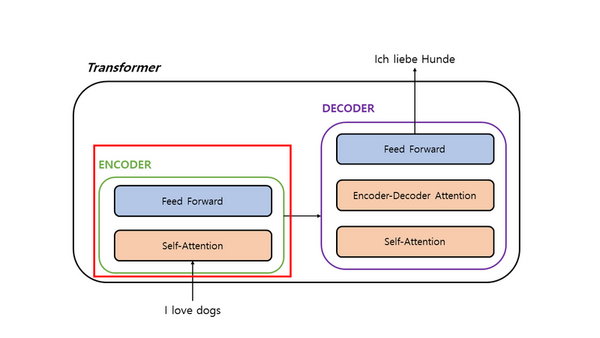
Zoos offer educational and scientific advantages but face high maintenance costs and challenges in animal care due to diverse species' habits. Challenges include tracking animals, detecting illnesses, and creating suitable habitats. We developed a deep learning framework called SmartZoo to address these issues and enable efficient animal monitoring, condition alerts, and data aggregation. We discovered that the data generated by our model is closer to real data than random data, and we were able to demonstrate that the model excels at generating data that resembles real-world data.
Read More...