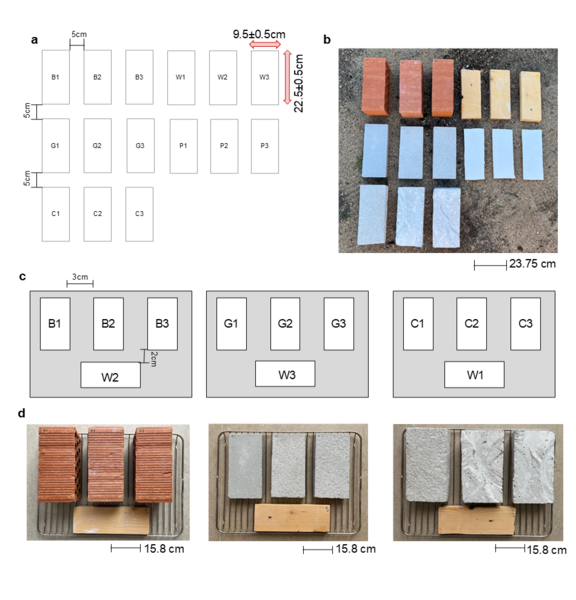
The authors studied the response of various construction materials to UV solar radiation and heat.
Read More...Ultraviolet exposure and thermal mass variation on surface temperature responses in building materials
The authors studied the response of various construction materials to UV solar radiation and heat.
Read More...The effects of container materials on food microwave heat times
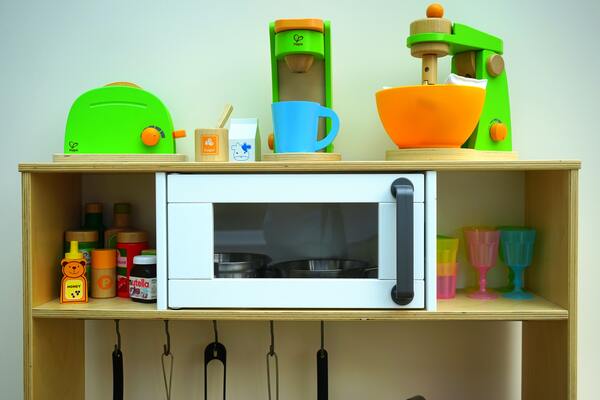
The authors analyzed the heat transfer of different containers in the microwave aiming to identify the most optimal material of container to reduce heating time.
Read More...Assessing Materials’ Short-term Effectiveness on Controlling Zebra Mussel (Dreissena polymorpha) Attachment
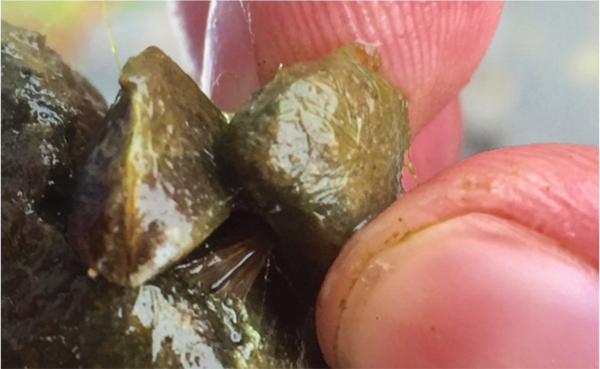
Zebra mussels are an aquatic invasive species. They attach to essential industrial structures and harm the native ecosystem, costing millions of dollars each year to control. This study explored the effectiveness of two nontoxic materials (Sharklet & Netminder) in combating zebra mussel attachment.
Read More...Investigating sustainable insulation materials: Analysis of biofoams and petroleum-derived foams
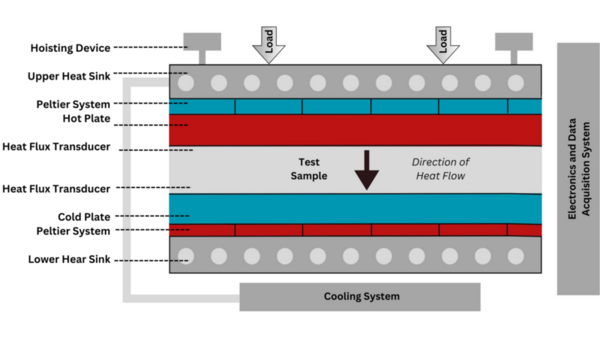
The authors looked into eco-friendly alternatives for insulating material. They ultimately found that a polyurethane derived from eggshells was an effective insulator and further research into it is warranted.
Read More...Testing Various Synthetic and Natural Fiber Materials for Soundproofing
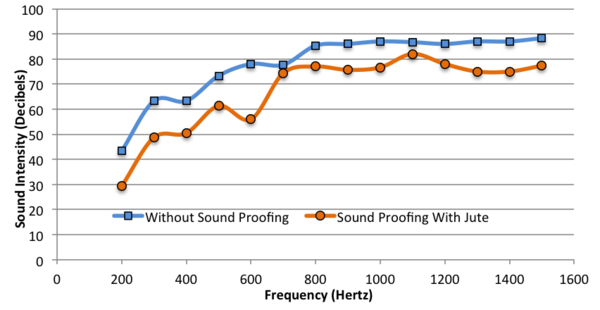
Noise pollution negatively impacts the health and behavioral routines of humans and other animals, but the production of synthetic sound-absorbing materials contributes to harmful gas emissions into the atmosphere. The authors of this paper investigated the effectiveness of environmentally-friendly, cheap natural-fiber materials, such as jute, as replacements for synthetic materials, such as gypsum and foam, in soundproofing.
Read More...Innovative use of recycled textile fibers in building materials: A circular economy approach
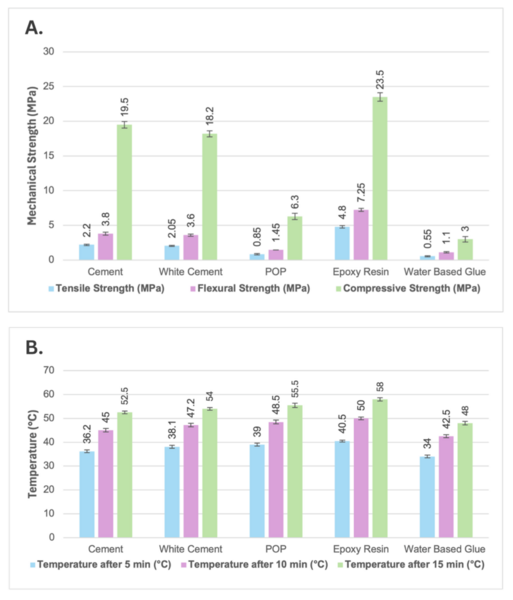
Textile waste from the fashion industry is a major environmental pollutant, but recycling waste into novel building material is a strategy to reduce the negative effects. This manuscript characterized five different binders that can be used to repurpose textile waste into bricks for construction purposes. Water-based glue, cement, white cement, plaster of Paris, and epoxy resin were mixed with shredded textile waste, and the mechanical characteristics and thermal insulation of each brick type were measured. Bricks with increased mechanical strength had the poorest thermal resistance, and the contrasting properties would suit different building purposes. This work provides a first step in generating recycled textile bricks for construction in a circular economy framework.
Read More...A model for angle evolution in conical piles formed using the fixed funnel method
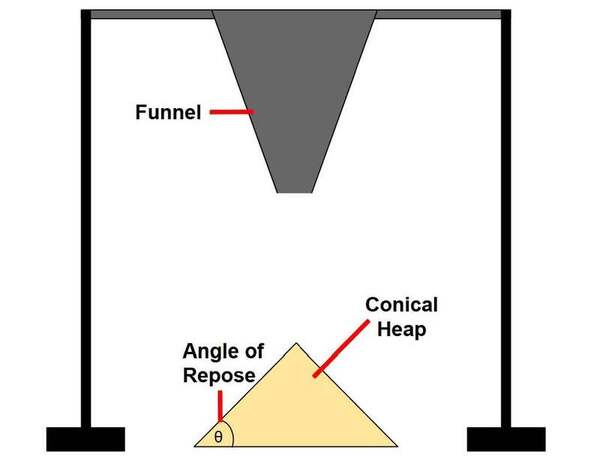
When granular materials are poured onto a surface, they form conical piles whose slopes increase before reaching a stable angle of repose. We found that this angle evolution follows a previously unrecognized two-phase exponential growth pattern that is conserved across granular materials with diverse particle properties. The parameters of this model correlate with particle friction and are influenced by deposition conditions, providing a quantitative framework for describing pile formation.
Read More...Linear relationship between nanostructural features and coloring of biomimetic photonic material
Iridescent materials reflect different colored depending on viewing angle. This specific effect can be achieved by biomimetic photonic materials. This project models the quantitative relationship between these material’s coloring and its nanostructure to facilitate personalized design of art materials.
Read More...Harvesting Atmospheric Water
The objective of this project was to test various materials to determine which ones collect the most atmospheric water when exposed to the same environmental factors. The experiment observed the effect of weather conditions, a material’s surface area and hydrophilicity on atmospheric water collection. The initial hypothesis was that hydrophobic materials with the greatest surface area would collect the most water. The materials were placed in the same outside location each night for twelve trials. The following day, the materials were weighed to see how much water each had collected. On average, ribbed plastic collected 10.8 mL of water per trial, which was over 20% more than any other material. This result partially supported the hypothesis because although hydrophobic materials collected more water, surface area did not have a significant effect on water collection.
Read More...Stereolithography 3D-printed stents with silica and zirconia nanoparticle reinforcement for intracranial aneurysm treatment
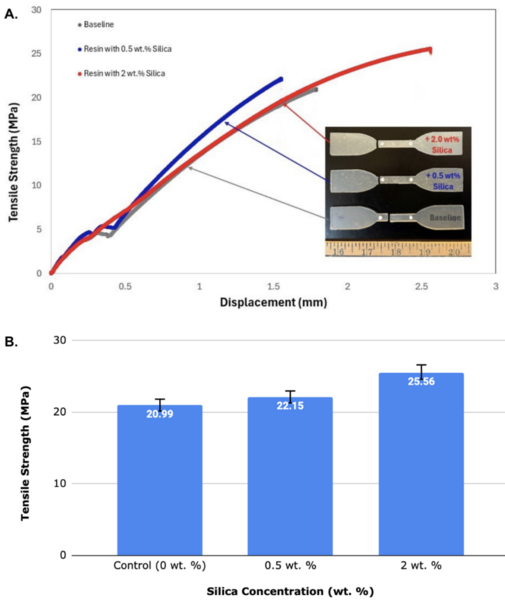
This manuscript focuses on improving the mechanical strength and radiopacity of SLA 3D-printed stent materials by incorporating nanoparticles for their application in flow-diverting stents (FDSs) used to treat aneurysms. The authors used biocompatible, bioresorbable resin formulations with varying concentrations of silica and zirconium to enhance tensile strength and radiopacity, respectively. The authors employed SEM to confirm the incorporation of nanoparticles, and CT imaging was used to assess the effect of zirconium-infused FDSs.
Read More...