Browse Articles

The Bioactive Ingredients in Niuli Lactucis Agrestibus Possess Anticancer Effects

Zhu et al. | Sep 17, 2019

The Bioactive Ingredients in Niuli Lactucis Agrestibus Possess Anticancer Effects

In​ the​ field​ of​ medicine,​ natural​ treatments​ are​ becoming ​increasingly ​vital ​towards ​the ​cure ​of ​cancer. Zhu et al. wanted to investigate the effects of lettuce extract on cancer cell survival and proliferation. They used an adenocarcinoma cell line, COLO320DM, to determine whether crude extract from a lettuce species called Niuli​ Lactucis Agrestibus​ would affect cancer cell survival, migration, and proliferation. They found that Niuli extract inhibited cancer cell survival, increased expression of cell cycle inhibitors p21 and p27, and inhibited migration. However, Niuli extract did not have these effects on healthy cells. This work reveals important findings about a potential new source of anti-colorectal cancer compounds.

Read More...
Homology modeling of clinically-relevant rilpivirine-resistant HIV-RT variants identifies novel rilpivirine analogs with retained binding affinity against NNRTI-resistant HIV mutations

Luk et al. | Jan 24, 2022

Homology modeling of clinically-relevant rilpivirine-resistant HIV-RT variants identifies novel rilpivirine analogs with retained binding affinity against NNRTI-resistant HIV mutations

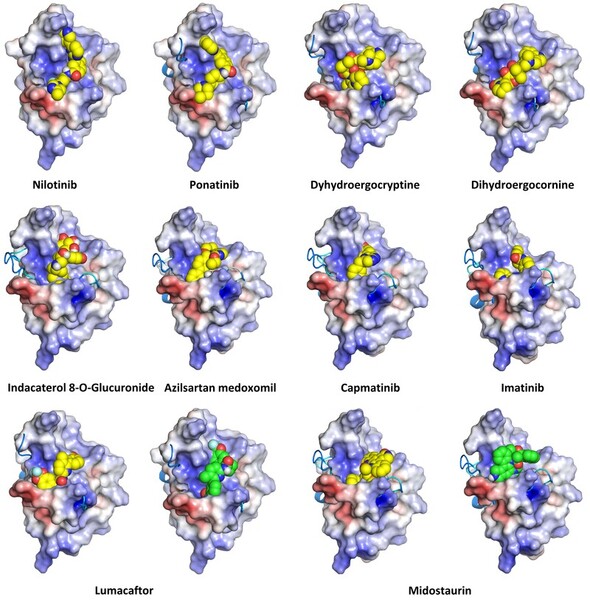
Human immunodeficiency virus (HIV), which affects tens of millions of individuals worldwide, can lead to acquired immunodeficiency syndrome (AIDS). While there is currently no cure for HIV, the development of small molecule antiretroviral agents has greatly improved the prognosis of infected individuals, especially in developed countries. Here, the authors employ homology modeling and molecular docking towards the identification of novel rilpivirine analogs that retain high binding affinity to clinically relevant rilpivirine-resistant mutations of the HIV reverse transcriptase enzyme.

Read More...

Bacteriophage TLS sensitizes Escherichia coli to antibiotics

Emann et al. | Mar 04, 2026

Bacteriophage TLS sensitizes <i>Escherichia coli</i> to antibiotics

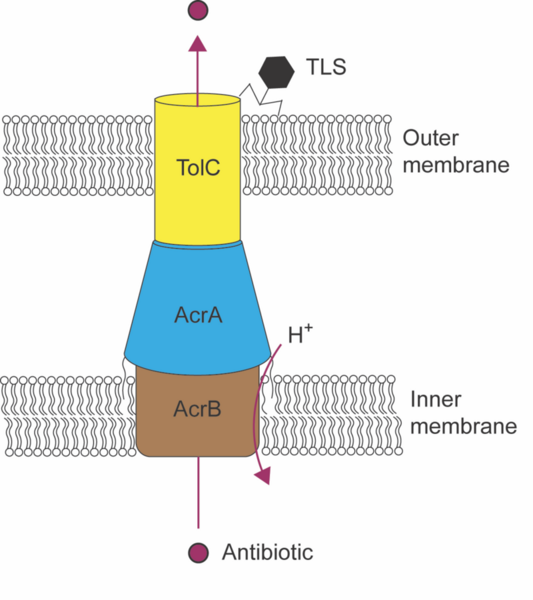
Antibiotic resistance is a growing global health threat, and one strategy to combat it is using bacteriophages to enhance the effectiveness of existing antibiotics. This study tested whether targeting the TolC protein in E. coli with the TLS bacteriophage would increase bacterial sensitivity to antibiotics.

Read More...

Development of a Novel Treatment Strategy to Treat Parkinsonian Neurodegeneration by Targeting Both Lewy Body Aggregation and Dopaminergic Neuronal Degradation in a Drosophila melanogaster Model

Sama et al. | Sep 25, 2019

Development of a Novel Treatment Strategy to Treat Parkinsonian Neurodegeneration by Targeting Both Lewy Body Aggregation and Dopaminergic Neuronal Degradation in a <em>Drosophila melanogaster</em> Model

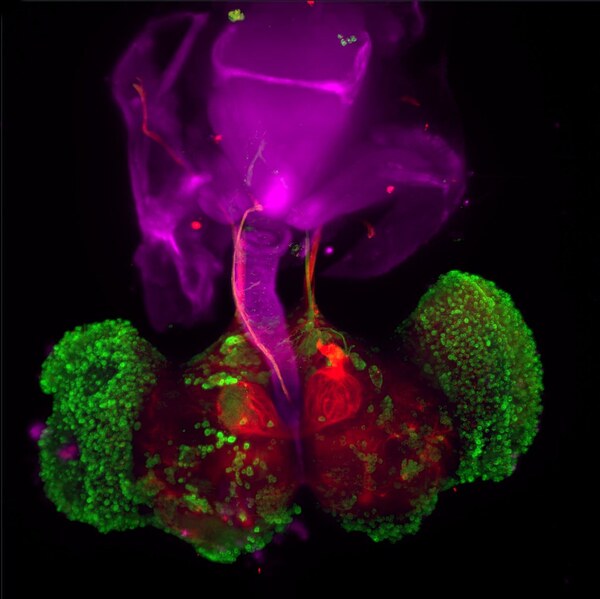
In this article the authors address the complex and life quality-diminishing neurodegenerative disease known as Parkinson's. Although genetic and/or environmental factors contribute to the etiology of the disease, the diagnostic symptoms are the same. By genetically modifying fruit flies to exhibit symptoms of Parkinson's disease, they investigate whether drugs that inhibit mitochondrial calcium uptake or activate the lysosomal degradation of proteins could improve the symptoms of Parkinson's these flies exhibit. The authors report the most promising outcome to be that when both types of drugs were used together. Their data provides encouraging evidence to support further investigation of the utility of such drugs in the treatment of human Parkinson's patients.

Read More...