Browse Articles

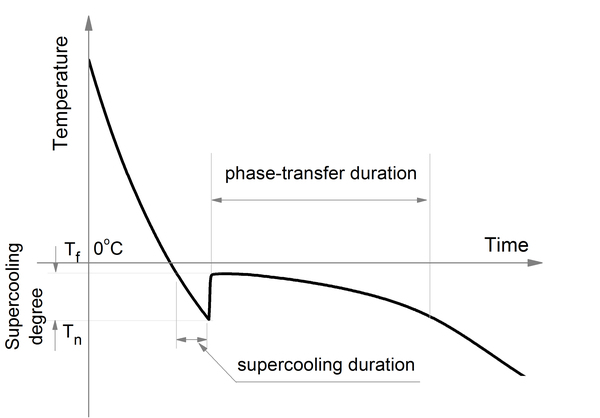
Effects of Coolant Temperature on the Characteristics of Soil Cooling Curve

Wang et al. | Jan 16, 2020

Effects of Coolant Temperature on the Characteristics of Soil Cooling Curve

In this article, the authors investigate whether coolant temperature affects soil cooling curves of soil with otherwise identical properties. The coolant temperature is representative of environmental temperature, and the authors hypothesized that differences in this temperature would not affect the freezing temperature of soil. Their findings validated their hypothesis providing helpful information relevant to understanding how frost heaves happen and how to predict their occurrence more accurately.

Read More...

Covalently Entrapping Catalase into Calcium Alginate Worm Pieces Using EDC Carbodiimide as a Crosslinker.

Suresh et al. | Mar 31, 2019

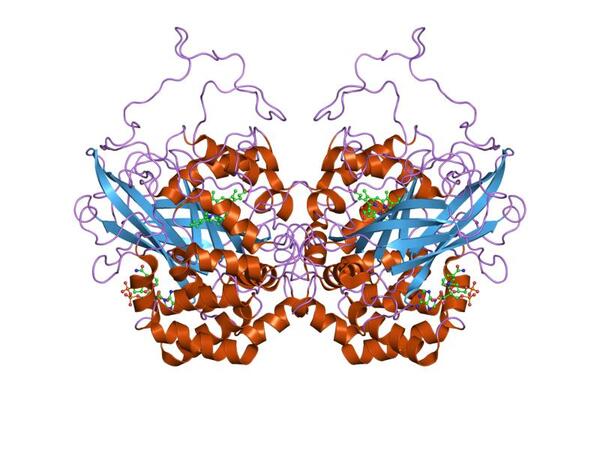
Covalently Entrapping Catalase into Calcium Alginate Worm Pieces Using EDC Carbodiimide as a Crosslinker.

Catalase is a biocatalyst used to break down toxic hydrogen peroxide into water and oxygen in industries such as cheese and textiles. Improving the efficiency of catalase would help us to make some industrial products, such as cheese, less expensively. The best way to maintain catalase’s conformation, and thus enhance its activity, is to immobilize it. The primary goal of this study was to find a new way of immobilizing catalase.

Read More...

Modular mimics of neuroactive alkaloids - design, synthesis, and cholinesterase inhibitory activity of rivastigmine analogs

Yu et al. | Sep 12, 2022

Modular mimics of neuroactive alkaloids - design, synthesis, and cholinesterase inhibitory activity of rivastigmine analogs

Naturally occurring neuroactive alkaloids are often studied for their potential to treat Neurological diseases. This team of students study Rivastigmine, a potent cholinesterase inhibitor that is a synthetic analog of physostigmine, which comes from the Calabar bean plant Physostigma venenosum. By comparing the effects of optimized synthetic analogs to the naturally occurring alkaloid, they determine the most favorable analog for inhibition of acetylcholinesterase (AChE), the enzyme that breaks down the neurotransmitter acetylcholine (ACh) to terminate neuronal transmission and signaling between synapses.

Read More...