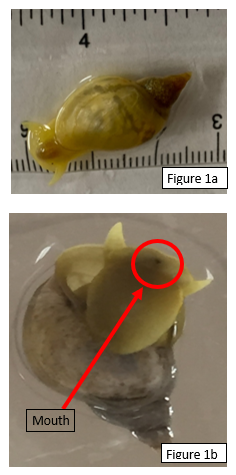
Stress and anxiety have become more prevalent issues in recent years with teenagers especially at risk. Recent studies show that experiencing stress while learning can impair brain-cell communication thus negatively impacting learning. Green tea is believed to have the opposite effect, aiding in learning and memory retention. In this study, the authors used Lymnaea stagnalis , a pond snail, to explore the relationship between green tea and a stressor that impairs memory formation to determine the effects of both green tea and stress on the snails’ ability to learn, form, and retain memories. Using a conditioned taste aversion (CTA) assay, where snails are exposed to a sweet substance followed by a bitter taste with the number of biting responses being recorded, the authors found that stress was shown to be harmful to snail learning and memory for short-term, intermediate, and long-term memory.
Read More...Browse Articles
People’s Preference to Bet on Home Teams Even When Losing is Likely
In this study, the authors investigate situations in which people make sports bets that seem to go against their better judgement. Using surveys, individuals were asked to bet on which team would win in scenarios when their home team was involved and others when they were not to determine whether fandom for a team can overshadow fans’ judgment. They found that fans bet much more on their home teams than neutral teams when their team was facing a large deficit.
Read More...The role of Gymnema sylvestre tea in modulating the perception of sweetness
This study investigates the ability of Gymnema sylvestre tea to acutely suppress sweet taste perception across various food groups. Our findings demonstrate how this natural botanical can reduce sugar cravings, offering a potential complementary strategy for managing dietary intake in type 2 diabetes.
Read More...