
The authors studied bacterial contamination of the New York City transit system, as well as the effectiveness of hand washing and hand sanitizer.
Read More...Bacterial contamination on New York City transit and the effectiveness of hand hygiene
The authors studied bacterial contamination of the New York City transit system, as well as the effectiveness of hand washing and hand sanitizer.
Read More...OTGP: An innovative biometric authentication system with on-the-go passwords using a novel typing signature
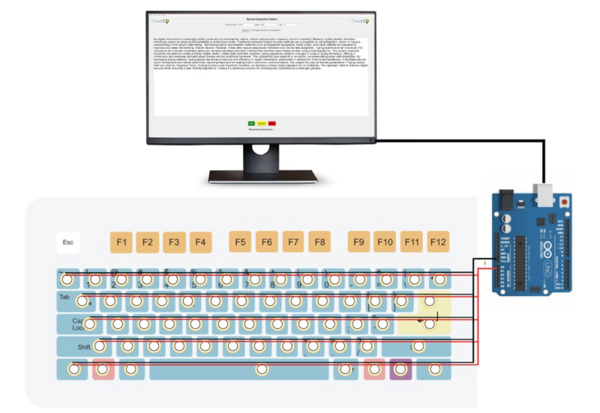
This manuscript describes a new method of on-the-go passwords using typing characteristics. The authors developed a keyboard and keystroke recording setup and tested it with 30 participants. The results indicated the five chosen parameters are distinct across participants yet consistent across time for each participant, making it a plausible candidate for a behavior-based password system.
Read More...Effectiveness of different fabrics in protecting from ultraviolet rays
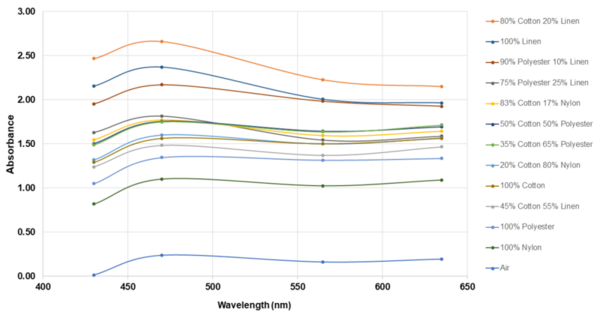
The authors looked at how different blends of synthetic and non-synthetic fabrics protected against UV radiation.
Read More...Improper storage of sunscreen might decrease effectiveness
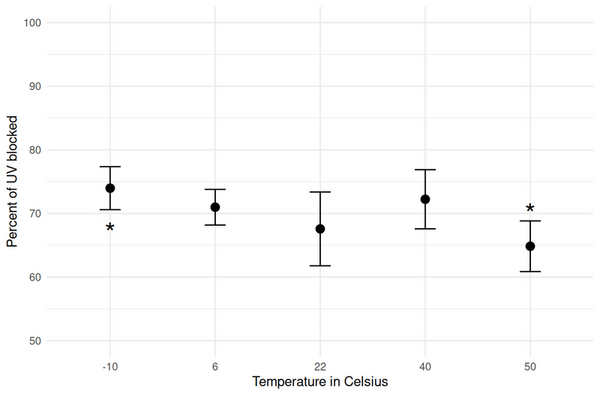
This study explored sunscreen storage temperature affects the efficacy of sunscreen to block UV light.
Read More...Eye color, visual acuity and photophobia: How eye color affects light sensitivity
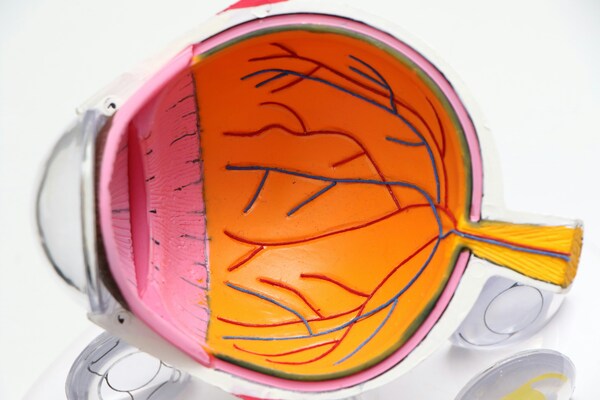
This study examined whether eye color affects photophobia and vision in elementary school students and staff, finding no significant relationship between eye color, light sensitivity, or visual acuity. However, photophobia was common across age groups, highlighting the need for greater awareness of light sensitivity in learning environments.
Read More...Sector Dynamics: Equity and fixed-income performance across market cycles
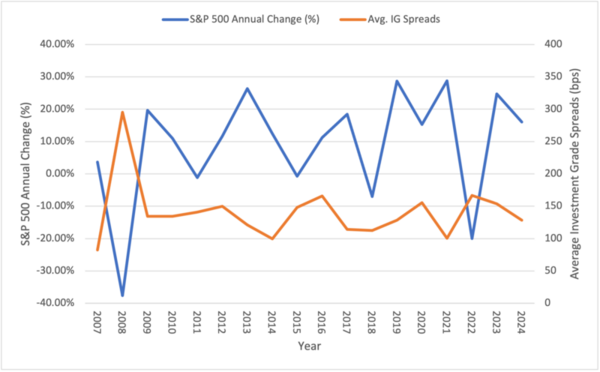
The authors examined the relationships between S&P 500 Technology and Financials equity sectors and their corresponding investment-grade fixed-income markets from 1995 to 2025.
Read More...Alpha-amylase inhibitors: Cinnamomum cassia and Camellia sinensis extracts against type II diabetes
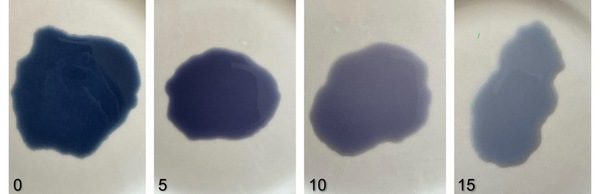
α-amylase breaks down starch into glucose, which can cause blood sugar spikes and increase the risk of type II diabetes. This study tested natural extracts from cassia cinnamon and green tea as alternatives to synthetic inhibitors like acarbose, which can be costly and cause side effects.
Read More...The growth of bacteria on everyday objects and the antimicrobial effects of household spices
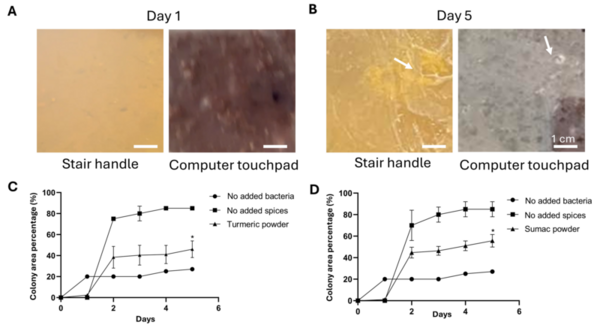
The study investigates the antibacterial properties of household spices on bacteria isolated from everyday objects, aiming to address the limited understanding of bacterial resilience on surfaces and the potential of spices as antibacterial agents. Researchers hypothesized that bacteria would grow faster on some surfaces than others and that spices like honey, chili powder, turmeric, and sumac would inhibit bacterial growth at varying rates. The findings suggest that household spices possess significant antibacterial properties and could be used as emergency disinfectants, particularly in under-resourced settings. However, they cannot replace medical treatments but offer insights into alternative health solutions using common ingredients.
Read More...Investigation of the impact of acid reflux on dental cements
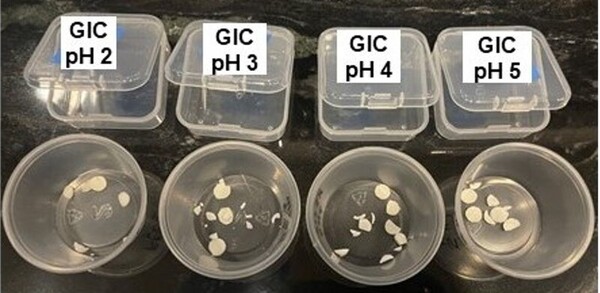
The authors test the effects of pH level on different kinds of dental cement to model the long-term effects of reflux-induced stomach acid exposure.
Read More...De novo design of a dual-target inhibitor against tau phosphorylation and acetylation for Alzheimer's therapy
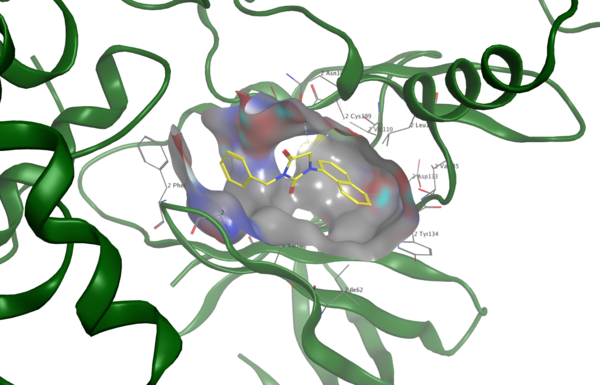
The authors use computational methods to compare tau acetylation to the better studied tau phosphorylation in Alzheimer's disease and then design and computationally test a new drug to prevent abnormal post-translational modifications of tau.
Read More...