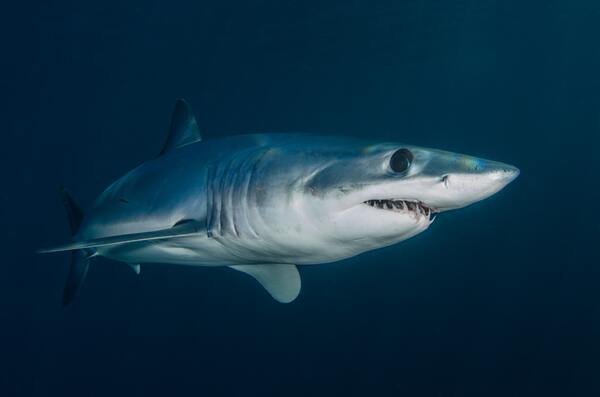
This paper presents findings on Carcharhinus leucas (bull shark) and Carcharhinus amblyrhynchos (grey reef shark) aggression towards humans at Beqa Adventure Divers in Shark Reef Marine Reserve, Fiji. We hypothesized that grey reef sharks would receive more prods than bull sharks because grey reef sharks are typically more aggressive than bull sharks. The results supported our hypothesis, as an individual grey reef shark received 2.44 prods on average per feed, while a bull shark had an average of 0.61. These findings are meaningful not only to the world’s general understanding of shark aggression, but also to human protection against grey reef sharks as well as public education on bull sharks and the conservation of the species.
Free radical chain reactions result when atoms containing unpaired electrons bind with biomolecules and alter their biological functions, contributing to the progression of diseases such as atherosclerosis, cancer, and diabetes. Antioxidants, such as vitamin E and sulforaphane, are effective neutralizers of free radicals and prevent cellular damage. This present study is conducted to determine the relative effectiveness of sulforaphane against free radicals generated by hydrogen peroxide (H2O2) compared with the known antioxidant vitamin E.
This study explores the link between fingerprints and genetics by analyzing familial fingerprints to show how the fingerprints between family members, and in particular siblings, could be very similar. The hypothesis was that the fingerprints between siblings would be very similar and the dominant fingerprint features within the family would be the same throughout the generations. Fingerprints between the siblings showed a trend of similarity, with only very small differences which makes these fingerprints unique. This work helps to support the link between fingerprints and genetics while providing a modern technological application.
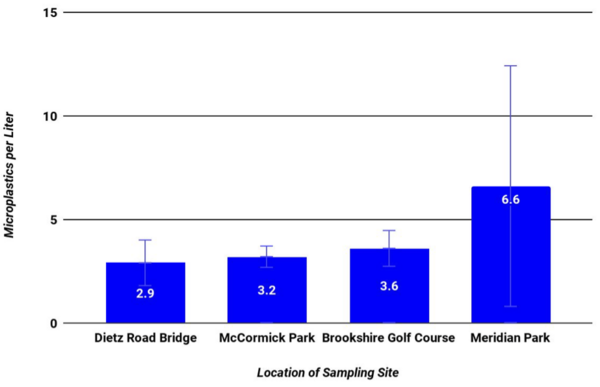
Plastic debris can disrupt marine ecosystems, spread contaminants, and take years to naturally degrade. In this study, Wu et al aim to establish an understanding of the scope of Williamston, Michigan’s microplastics problem, as well as to attempt to find the source of these plastics. Initially, the authors hypothesize that the Williamston Wastewater Treatment Plant was the primary contributor to Williamston’s microplastics pollution. Although they find a general trend of increasing concentrations of microplastics from upstream to downstream, they do not pinpoint the source of Williamston’s microplastics pollution in the present research.
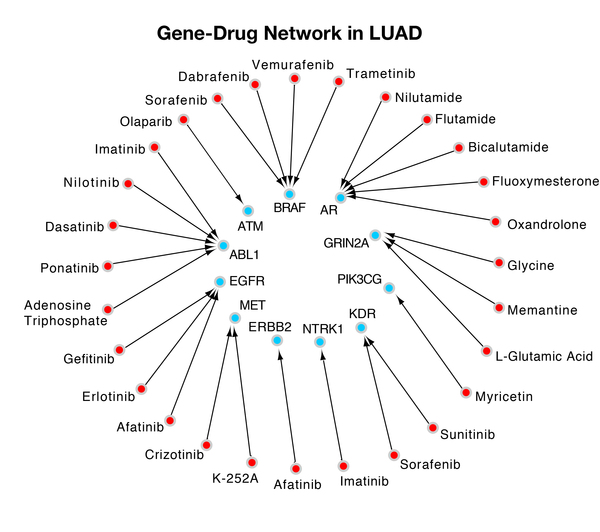
Wang and Gong developed a novel dynamic gene-searching algorithm called Dynamic Gene Search (DyGS) to create a gene panel for each of the 12 cancers with the highest annual incidence and death rate. The 12 gene panels the DyGS algorithm selected used only 3.5% of the original gene mutation pool, while covering every patient sample. About 40% of each gene panel is druggable, which indicates that the DyGS-generated gene panels can be used for early cancer detection as well as therapeutic targets in treatment methods.
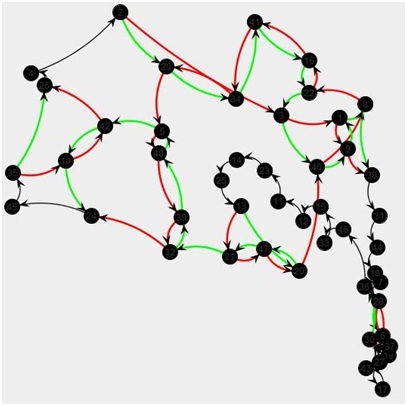
Ant colony optimization algorithms simulate ants moving from point to point on a graph and coordinate their actions, similar to ants laying down pheromones to strengthen a path as it is used more frequently. These ACO algorithms can be applied to the classic traveling salesman problem, which aims to determine the lowest-cost path through a given set of points on a graph. In this study, a novel multiple-colony system was developed that uses multiple simulated ant colonies to generate improved solutions to the traveling salesman problem.
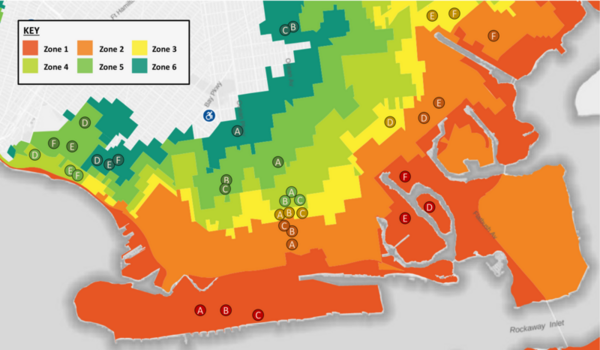
With climate change and rising sea levels, south Brooklyn is exposed to massive flooding and intense precipitation. Previous research discovered that flooding shifts plant species distribution, decreases soil pH, and increases salt concentration, nitrogen, phosphorus, and potassium levels. The authors predicted a decreasing trend from Zone 1 to 6: high-pH, high-salt, and high-nutrients in more flood-prone areas to low-pH, low-salt, and low-nutrient in less flood-prone regions. They performed DNA barcoding to identify plant species inhabiting flood zones with expectations of decreasing salt tolerance and moisture uptake by plants' soil from Zones 1-6. Furthermore, they predicted an increase in invasive species, ultimately resulting in a decrease in biodiversity. After barcoding, they researched existing information regarding invasiveness, ideal soil, pH tolerance, and salt tolerance. They performed soil analyses to identify pH, nitrogen (N), phosphorus (P), and potassium (K) levels. For N and P levels, we discovered a general decreasing trend from Zone 1 to 6 with low and moderate statistical significance respectively. Previous studies found that soil moisture can increase N and P uptake, helping plants adopt efficient resource-use strategies and reduce water stress from flooding. Although characteristics of plants were distributed throughout all zones, demonstrating overall diversity, the soil analyses hinted at the possibility of a rising trend of plants adapting to the increase in flooding. Future expansive research is needed to comprehensively map these trends. Ultimately, investigating trends between flood zones and the prevalence of different species will assist in guiding solutions to weathering climate change and protecting biodiversity in Brooklyn.
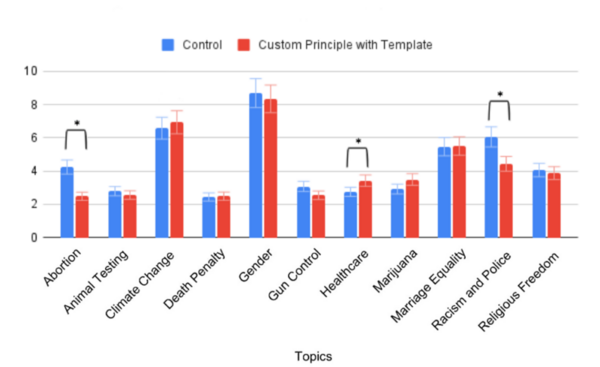
Various methods exist to mitigate bias in AI models, including "Constitutional AI," a technique which guides the AI to behave according to a list of rules and principles. Lo, Poosarla, Singhal, Li, Fu, and Mui investigate whether constitutional AI can reduce bias in AI outputs on political topics.
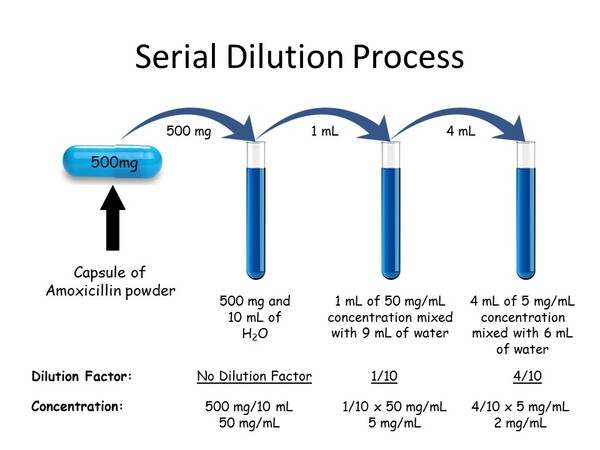
Antibiotics are used to treat dangerous diseases. Over time, however, bacteria are becoming resistant to antibiotics - which poses a threat to humans and animals alike. In this paper, the authors examine how E. coli gains resistance to the antibiotic amoxicillin.