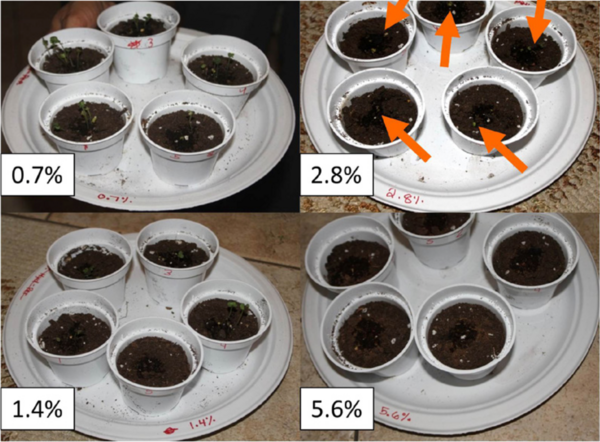
In this study, the authors assess the antioxidant properties of vitamins A, C and E given to mustard plants after oxidative damage. This research shows an interesting comparison of the vitamins' effect on plant recovery and health.
Read More...The Effect of Antioxidant Vitamins on Mustard Plants in a Hydrogen Peroxide-Induced Injury Model
In this study, the authors assess the antioxidant properties of vitamins A, C and E given to mustard plants after oxidative damage. This research shows an interesting comparison of the vitamins' effect on plant recovery and health.
Read More...The Protective Effects of Panax notoginseng Saponin on the Blood-Brain Barrier via the Nrf2/ARE Pathway in bEnd3 Cells
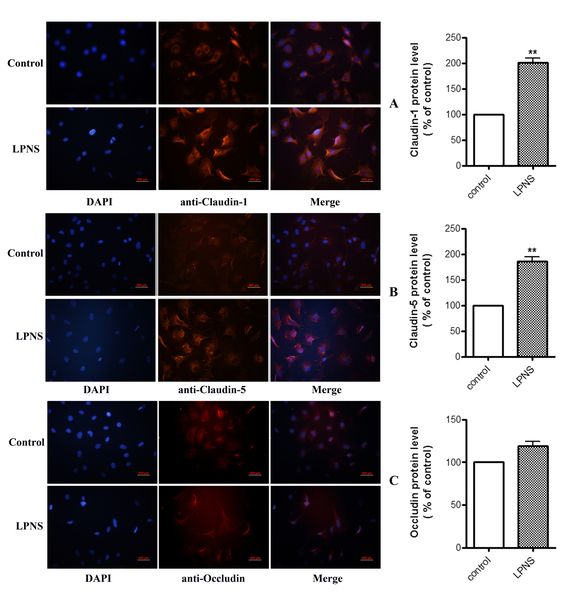
Disruption of the blood-brain barrier (BBB) is related to many neurological disorders, and can be caused by oxidative stress to cerebral microvascular endothelial cells (CMECs) composing the BBB. The authors of the paper investigated the protective effects of the total saponins in the leaves of Panax notoginseng (LPNS) on oxidative-stress-induced damage in a mouse cerebral microvascular endothelial cell line.
Read More...Vitamin C in Fruits: Does Organic Make a Difference?
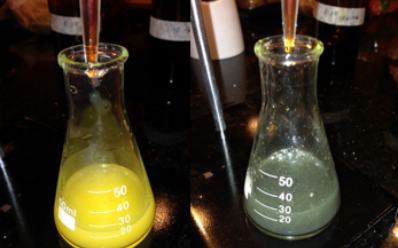
Vitamin C is an essential nutrient that is involved in many important cellular processes. Humans are unable to produce Vitamin C and thus must obtain it from exogenous sources such as citrus fruits, peppers, or flowering vegetables. In this study, the authors investigate whether or not organic and non-organic fruits have comparable vitamin C levels. This type of study has important implications for consumers.
Read More...Functional Network Connectivity: Possible Biomarker for Autism Spectrum Disorders (ASD)
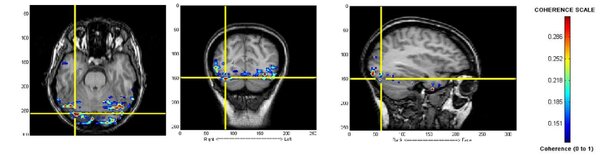
Autism spectrum disorder (ASD) is a complex neurodevelopmental disorder and is difficult to diagnose in young children. Here magnetoencephalography was used to compare the brain activity in patients with ASD to patients in a control group. The results show that patients with ASD have a high level of activity in different areas of the brain than those in the control group.
Read More...Plasmid Variance and Nutrient Regulation of Bioluminescence Genes
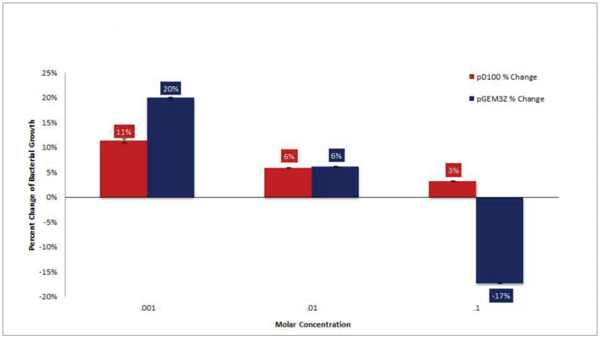
Numerous organisms, including the marine bacterium Aliivibrio fischeri, produce light. This bioluminescence is involved in many important symbioses and may one day be an important source of light for humans. In this study, the authors investigated ways to increase bioluminescence production from the model organism E. coli.
Read More...Leaky expression of PRMT1 in Escherichia coli and redox regulation of its histone methyltransferase activity
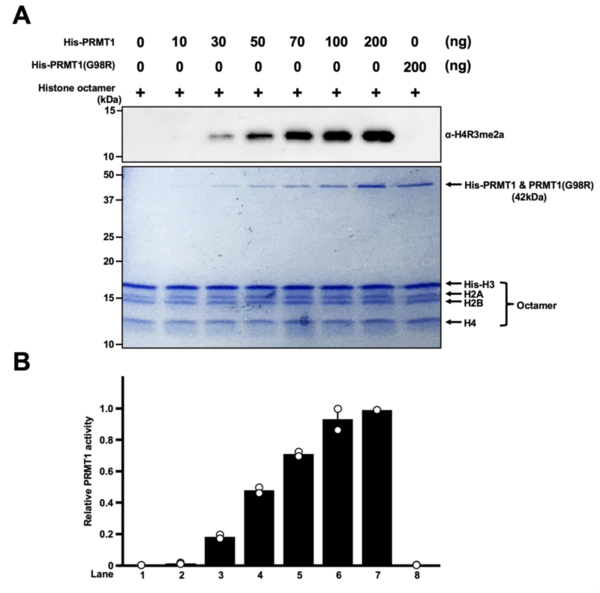
This study characterizes recombinant human Protein arginine methyltransferase 1 (PRMT1) expressed in Escherichia. coli and reveals that the enzyme exhibits leaky expression even without isopropyl β-D-1-thiogalactopyranoside (IPTG) induction. Through in vitro histone methyltransferase assays, we demonstrate that PRMT1 activity toward histone H4R3 is enhanced by dithiothreitol (DTT) in a dose-dependent manner but remains unresponsive to β-mercaptoethanol. These findings highlight the critical role of redox conditions in regulating PRMT1 catalytic function and provide a practical framework for future biochemical and kinetic studies.
Comparison of shower filters for reducing total residual chlorine under household flow conditions

This study compared two commercial shower filters and three individual filtration media to evaluate their ability to reduce total residual chlorine under household flow conditions. By identifying which materials most effectively reduce chlorine during regular shower use, this research provides practical information for consumers and offers guidance for designing more affordable and reusable shower filtration systems.
Read More...Understanding the correlation between various pollutants and cancer across geographical clusters in the U.S.
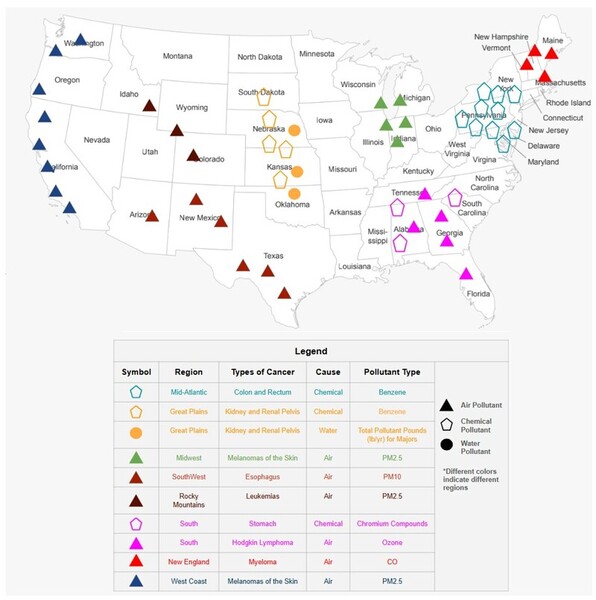
Here the authors investigate the relationship between environmental pollutants and cancer incidence rates across various geographical clusters in the United States from 2018 to 2020. By calculating Pearson correlation coefficients and t-statistics on CDC and EPA data, they demonstrated a strong correlation between specific pollutants and various cancers, offering insights that could help explain regional disparities in cancer rates and aid in preventing premature deaths.
Read More...The effects of potassium bromate on the apoptosis and survivability of human cell lines

The authors studied the effect of potassium bromate, a common food additive, to cell viability.
Read More...Alpha-amylase inhibitors: Cinnamomum cassia and Camellia sinensis extracts against type II diabetes
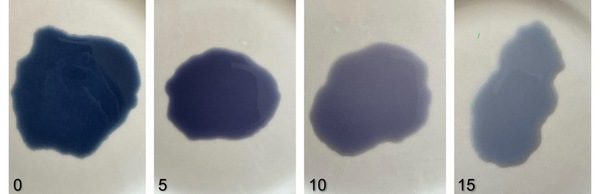
α-amylase breaks down starch into glucose, which can cause blood sugar spikes and increase the risk of type II diabetes. This study tested natural extracts from cassia cinnamon and green tea as alternatives to synthetic inhibitors like acarbose, which can be costly and cause side effects.
Read More...