Browse Articles

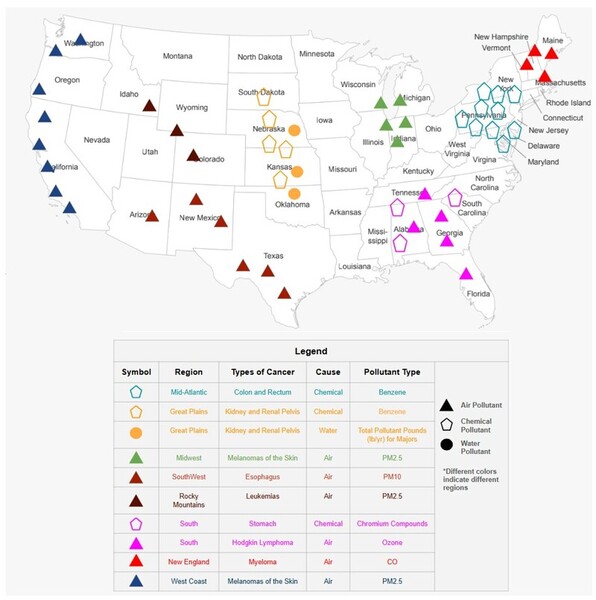
Understanding the correlation between various pollutants and cancer across geographical clusters in the U.S.

Naik et al. | Sep 12, 2026

Understanding the correlation between various pollutants and cancer across geographical clusters in the U.S.

Here the authors investigate the relationship between environmental pollutants and cancer incidence rates across various geographical clusters in the United States from 2018 to 2020. By calculating Pearson correlation coefficients and t-statistics on CDC and EPA data, they demonstrated a strong correlation between specific pollutants and various cancers, offering insights that could help explain regional disparities in cancer rates and aid in preventing premature deaths.

Read More...
A five-year retrospective analysis of Tuberculosis risk factors and their variability in the United States

Kini et al. | Mar 14, 2026

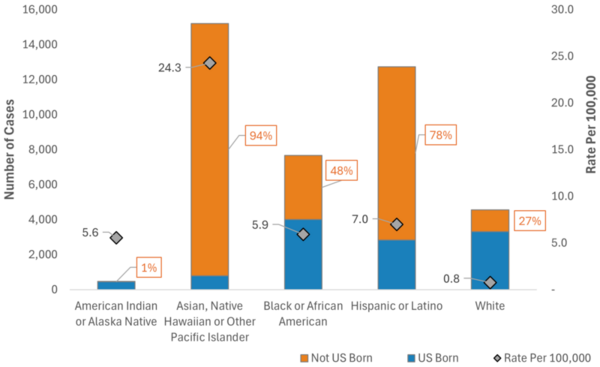
A five-year retrospective analysis of Tuberculosis risk factors and their variability in the United States
Image credit: Kini, Diaz Gaviria, Diaz, and Kini

The main goal of this study is to determine what demographics are related to tuberculosis incidence in the United States populations, particularly if changing demographics are related to differences in tuberculosis risk over two discrete time periods. The major finding is that in the two studied time periods, tuberculosis risk factors were somewhat consistent and may be influenced by things such as immigration, healthcare access, and race or ethnicity, although the top predictor did change.

Read More...

An evaluation of the trends in U.S. maternal deaths based on abortion policies from 2018 to 2021

Haq et al. | Feb 18, 2026

An evaluation of the trends in U.S. maternal deaths based on abortion policies from 2018 to 2021

Here the authors evaluate the relationship between state-level abortion policies and maternal mortality across the United States from 2018 to 2021. Their findings reveal that states with restrictive abortion laws consistently experienced higher maternal mortality ratios than those with protective policies, culminating in a 72% increase in deaths within restrictive states by the end of the study period.

Read More...