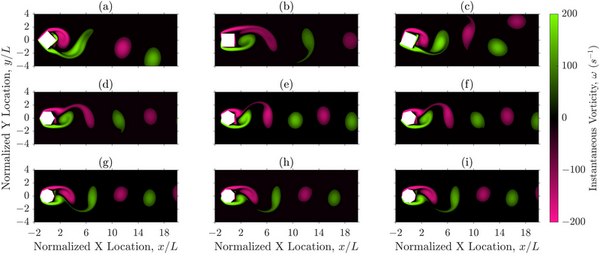
The authors investigated the shedding characteristics of polygons at a Reynolds number of 200.
Read More...Influence of polygon side number on laminar vortex shedding frequency and variability
The authors investigated the shedding characteristics of polygons at a Reynolds number of 200.
Read More...The decision-making process of an MLB batter: effects of feedback stimuli and anxiety on batting performance
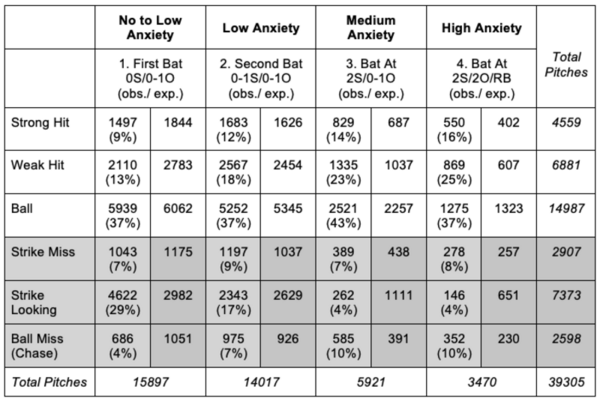
This study examined whether findings from laboratory studies of baseball cognition also apply during real games. Using 2024 MLB data from 30 players, researchers analyzed batting performance under different levels of feedback and anxiety.
Read More...Predictive modeling of cardiovascular disease using exercise-based electrocardiography
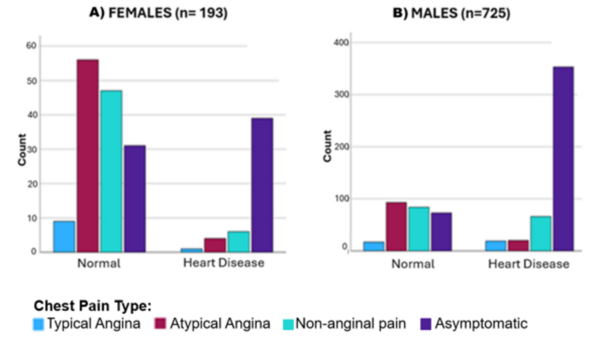
The authors looked factors that could lead to earlier diagnosis of cardiovascular disease thereby improving patient outcomes. They found that advances in imaging and electrocardiography contribute to earlier detection of cardiovascular disease.
Read More...Identifying the wavelength that generates the most voltage and current in a solar panel

A key barrier to adoption of solar energy technology is the low efficiency of solar cells converting solar energy into electricity. Sims and Sims tackle this problem by coding a Raspberry Pi as a multimeter to determine which wavelength of light generates the most voltage and current from a solar panel.
Read More...A comparison of small engine emissions powered by alcohol and gasoline fuel
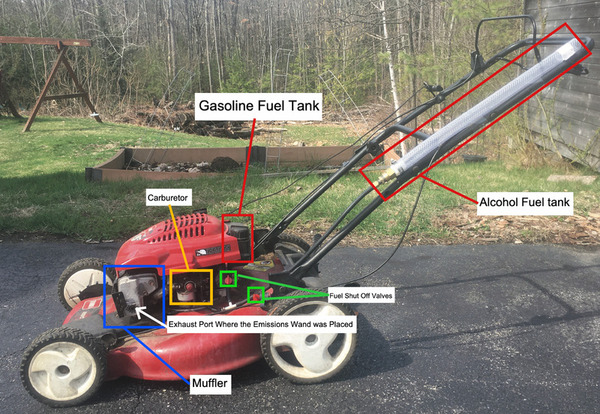
The authors looked at the emissions from a small, carbureted engine that was being powered by a mix of ethanol and methanol compared to E10 gasoline. The found that across all four pollutants measured, the ethanol-methanol mixture resulted in less emissions compared to the E10 fuel.
Read More...A novel filtration model for microplastics using natural oils and its application to the environment
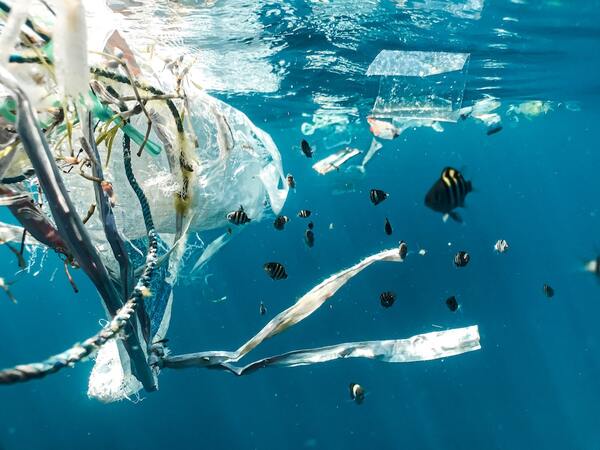
Recognizing the need for a method to filter microplastics from polluted water the authors sought to use nonpolar solvents, palm oil and palm kernel oil, to filter microplastics out of model seawater. By relying on the separation of polar and nonpolar solvents followed by freezing the nonpolar solvent, they reported that microplastics could be extracted with percentages ranging from 96.2% to 94.2%. They also provided an estimation to use this method as part of container ships to clean the Pacific Ocean of microplastics.
Read More...Reimagize – a digital card-based roleplaying game to improve adolescent girls’ body image
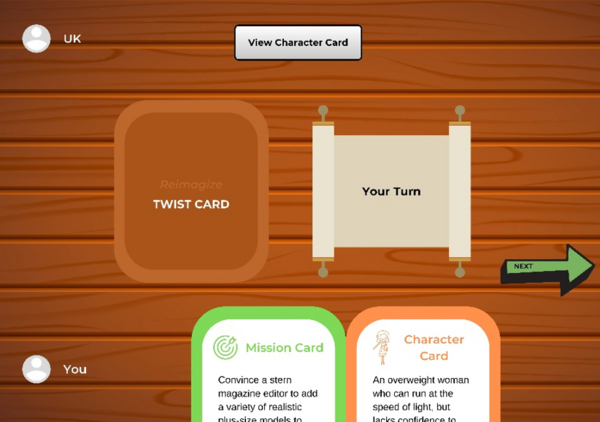
Reimagize, a role-playing with decision-making, was conjured, implementing social psychological concepts like counter-stereotyping and perspective-taking. As the game works implicitly to influence body image, it even counters image issues beyond personal body dissatisfaction. This study explored whether a digital role-playing card game, incorporating some of the most common prejudices of body image (like size prejudice, prejudices from the media, etc.) as identified by a digital survey/questionnaire completed by Indian girls aged 11-21, could counter these issues and reduce personal body dissatisfaction.
Read More...Using machine learning to detect outliers of red clump stars
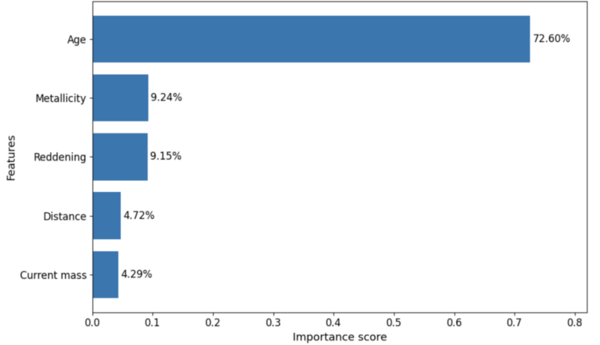
Machine learning offers a powerful way to analyze large astronomical datasets and identify stars with unusual properties. In this study, students used Extreme Gradient Boosting and Isolation Forest models to investigate why some red clump stars deviate from their expected luminosities. Their results show that stellar age plays a much stronger role than metallicity in driving luminosity variation, and the models successfully detected outlier stars that may affect distance measurements in galactic studies.
Read More...Social and psychosocial factors associated with mood states among adolescents: A questionnaire-based study

The authors assess the relationship between supportive family environments and internalized stigma in adolescents.
Read More...The relationship between meteorological factors and air quality in Washington D.C. metropolitan area
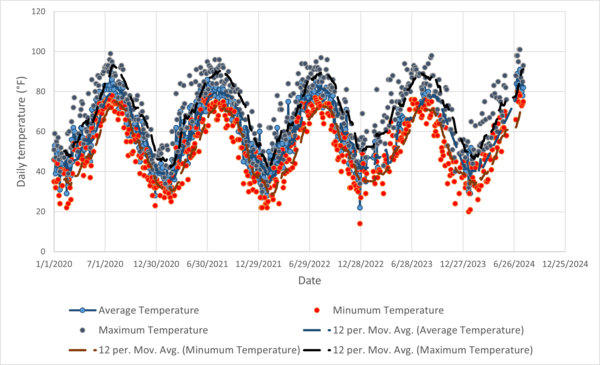
The authors studied the relationship between air quality and weather conditions (wind speed, precipitation, and temperature) in the Washington D.C. area.
Read More...