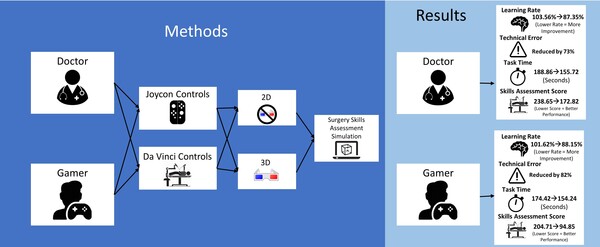
Complications of robotic-assisted surgery are on the rise, partly due to surgeons not receiving proper training. Al-Akash and Al-Akash hypothesized Nintendo JoyCon controls would improve surgical performance compared to the FDA-approved Da Vinci Surgical System with two user groups (doctor and gamer). Their results show that implementing a Nintendo JoyCon control system is associated with improved surgical performance and learning rate compared to the Da Vinci Surgical System.
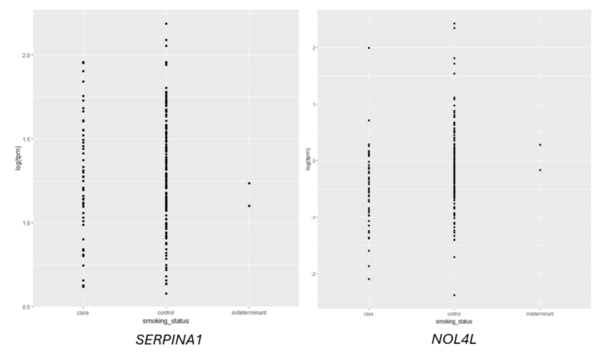
Given an association between nicotine addiction and gene expression, we hypothesized that expression of genes commonly associated with smoking status would have variable expression between smokers and non-smokers. To test whether gene expression varies between smokers and non-smokers, we analyzed two publicly-available datasets that profiled RNA gene expression from brain (nucleus accumbens) and lung tissue taken from patients identified as smokers or non-smokers. We discovered statistically significant differences in expression of dozens of genes between smokers and non-smokers. To test whether gene expression can be used to predict whether a patient is a smoker or non-smoker, we used gene expression as the training data for a logistic regression or random forest classification model. The random forest classifier trained on lung tissue data showed the most robust results, with area under curve (AUC) values consistently between 0.82 and 0.93. Both models trained on nucleus accumbens data had poorer performance, with AUC values consistently between 0.65 and 0.7 when using random forest. These results suggest gene expression can be used to predict smoking status using traditional machine learning models. Additionally, based on our random forest model, we proposed KCNJ3 and TXLNGY as two candidate markers of smoking status. These findings, coupled with other genes identified in this study, present promising avenues for advancing applications related to the genetic foundation of smoking-related characteristics.
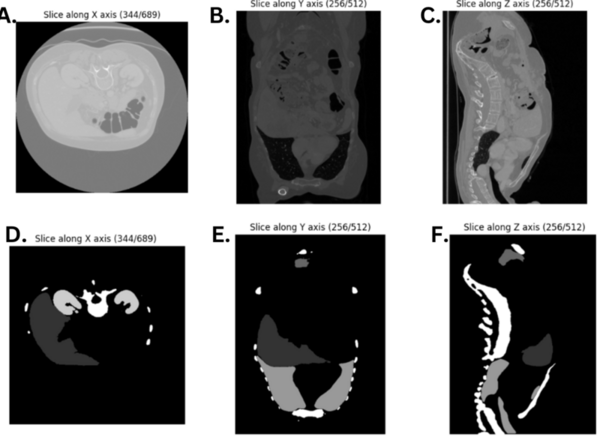
The authors looked at different models of semantic segmentation to determine which may be best used in the future for segmentation of CT scans to help diagnose certain conditions.
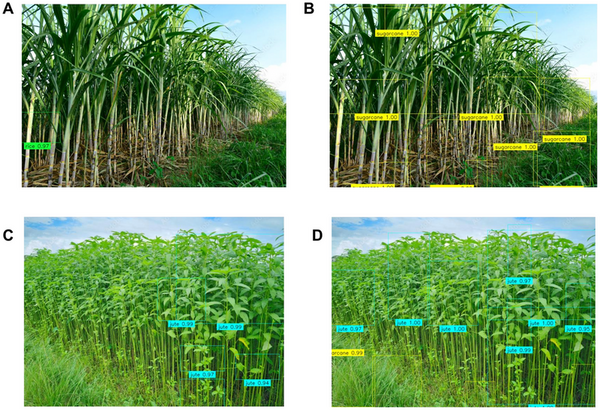
Multi-perspective drone imagery (adding oblique views to top-down shots) raised crop classification accuracy from 35.73% to 52.93% across five species. The improvement scaled with canopy complexity, from +4.2% for simple rice to +38.1% for structurally complex sugarcane.
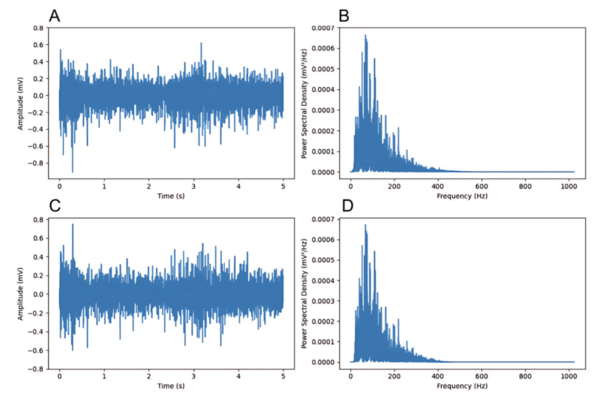
This manuscript evaluates peak detection algorithms for feature extraction in EMG-based hand gesture recognition using a random forest classifier. The study demonstrates that wavelet-based peak detection features achieve the highest classification accuracy (96.5%), outperforming other methods. The results highlight the potential of peak features to improve EMG-based prosthetic control systems.
In this article, the authors looked at developing a strategy that would allow for earlier diagnosis of Diabetes as that improves long-term outcomes. They were able to find that BMI, tricep skin fold thickness, and blood pressure are the risk factors with the highest accuracy in predicting diabetes risk.
In this study, the authors developed a model named DNA Sequence Embedding Network (DNA-SEnet) to classify DNA-asthma associations using their genomic patterns.
Here the authors sought to understand the effects of different variables that may be tied to pollution and climate change on genetic variation of Pacific white-sided dolphins, a species that is currently threatened by water pollution. Based on environmental data collected alongside a genetic distance matrix, they found that ocean currents had the most significant impact on the genetic diversity of Pacific white-sided dolphins along the Japanese coast.