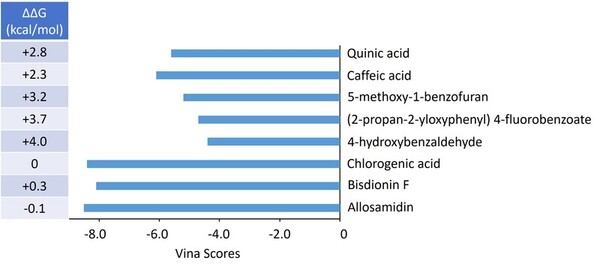
This study investigated whether chlorogenic acid, a plant compound with known health benefits, can interact with the proteins CHIT1 and CHI3L1, which could ultimately lead to new therapeutic strategies for a range of chronic diseases.
Read More...Computational prediction of chlorogenic acid binding to disease-linked proteins CHIT1 and CHI3L1
This study investigated whether chlorogenic acid, a plant compound with known health benefits, can interact with the proteins CHIT1 and CHI3L1, which could ultimately lead to new therapeutic strategies for a range of chronic diseases.
Read More...Lactic acid bacteria protect the growth of Solanum lycopersicum from Sodium dodecyl sulfate
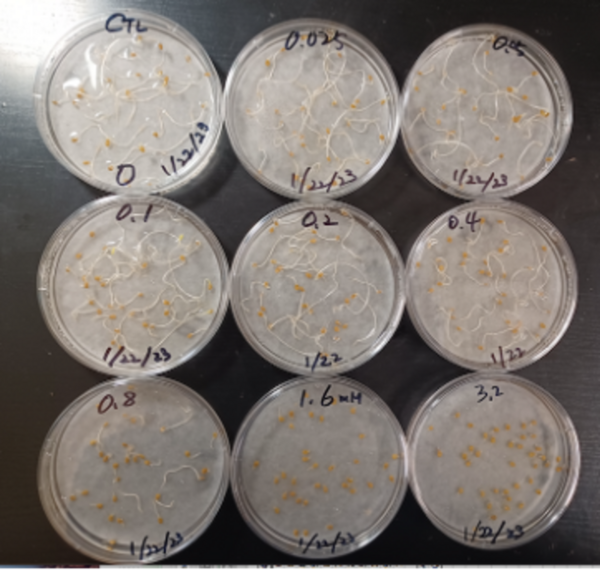
Sodium dodecyl sulfate (SDS), a detergent component, can harm plant growth when it contaminates soil and waterways. Authors explored the potential of lactic acid bacteria (LAB) to mitigate SDS-induced stress on plants.
Read More...Reduce the harm of acid rain to plants by producing nitrogen fertilizer through neutralization
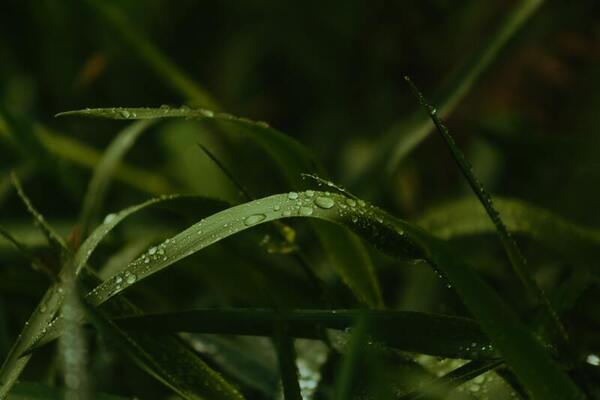
The phenomenon of dying trees and plants in areas affected by acid rain has become increasingly problematic in recent times. Is there any method to efficiently utilize the rainwater and reduce the harmfulness of acid rain or make it beneficial to plants? This study aimed to investigate the potential of neutralizing acid rainwater infiltrating the soil to increase soil pH, produce beneficial salts for plants, and support better plant growth. To test this hypothesis, precipitation samples were collected from six states in the U.S. in 2022, and the pH of the acid rain was measured to obtain a representative pH value for the country. Experiments were then conducted to simulate the neutralization of acid rain and the subsequent change in soil pH levels. To evaluate the effectiveness and feasibility of this method, cat grass was planted in pots of soil soaked with solutions mimicking acid rain, with control and experimental groups receiving neutralizing agents (ammonium hydroxide) or not. Plant growth was measured by analyzing the height of the plants. Results demonstrated that neutralizing agents were effective in improving soil pH levels and that the resulting salts produced were beneficial to the growth of the grass. The findings suggest that this method could be applied on a larger agricultural scale to reduce the harmful effects of acid rain and increase agricultural efficiency.
Read More...The Effect of UV Treatment on the Degradation of Compostable Polylactic Acid
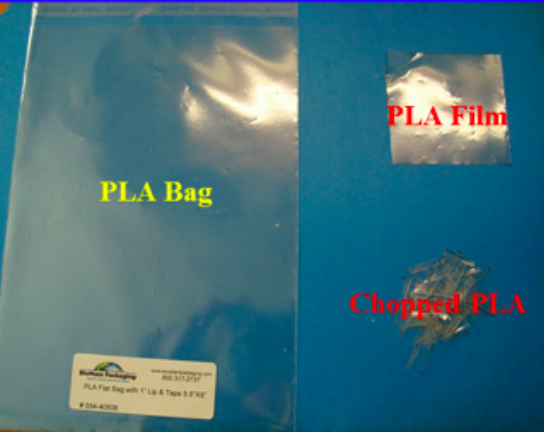
Polylactic acid (PLA) is a bio-based, compostable plastic that is comparable in cost to petroleum-based plastics. This study aims to evaluate the effects of UV treatment and mechanical chopping on the degradation of PLA. Based on their findings, the authors propose an alternative PLA degradation process that may be more time and energy efficient than current processes.
Read More...Regenerative Effects of Turmeric and Alpha-Lipoic Acid in Lumbriculus variegatus
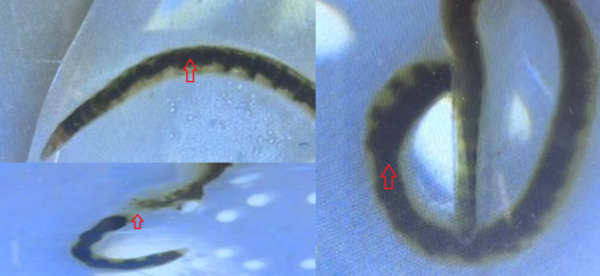
This study examines the effects of tumeric, and alph-lipoic acid on segment regeneration and cardiovascular pulse rate, using the California blackworm. Results can ultimately demonstrate potential natural compounds for tissue repair and their effect on physiological activity.
Read More...Investigation of the impact of acid reflux on dental cements
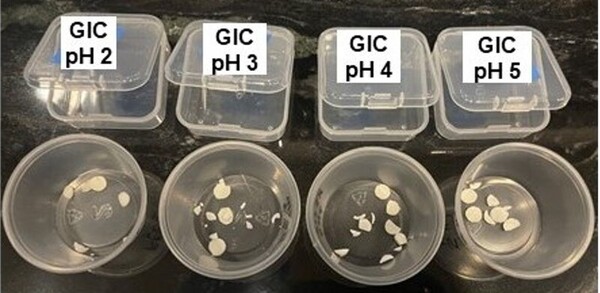
The authors test the effects of pH level on different kinds of dental cement to model the long-term effects of reflux-induced stomach acid exposure.
Read More...Toxicity of aminomethylphosphonic acid via the Wnt signaling pathway as a novel mechanism
The Wnt signaling pathway, known to coordinate important aspects of cellular homeostasis ranging from differentiation, proliferation, migration, and much more, is dysregulated in many human diseases. This study demonstrates that aminomethylphosphonic acid, which is the main metabolite found in the common herbicide Glyphosate, is toxic to planaria and capable of binding to canonical Wnt proteins.
Read More...Different volumes of acetic acid affect the oxygen production of spinach leaves during photosynthesis
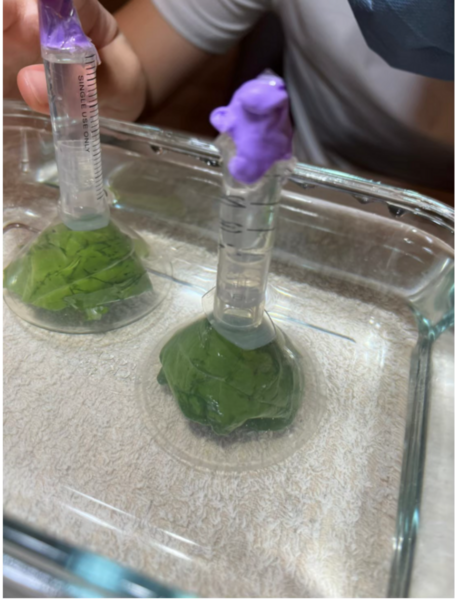
The burning of fossil fuels, leading to an increased amount of carbon emissions, is the main cause of acid rain. Acid rain affects the process of photosynthesis, which makes the topic valuable to investigate. Our group utilizes plants to further investigate the relationship between pH value and photosynthesis. In this experiment, our group hypothesized that rain with a lower pH will decrease the rate of photosynthesis, causing less oxygen to be produced in the reaction.
Read More...Effect of different cooking methods on the levels of iron and ascorbic acid in green vegetables
This study compares different methods for cooking vegetables to determine which retain iron and ascorbic acid, or vitamin C, levels the most.
Read More...Modulation of Planaria Regeneration by Resolvin D1 and the Omega-3 Fatty Acid Precursor 17-Hydroxy Docosahexaenoic Acid
Omega-3 fatty acid derived lipid mediators have been implicated in resolving inflammation, and wound healing. Authors measured the impact of supplementation with lipid mediator Resolvin D1 and its precursor 17-HDHA on planaria regeneration. Planaria not only synthesize RvD1 from 17-DHA, but both RvD1 and 17-DHA enhanced regeneration.
Read More...