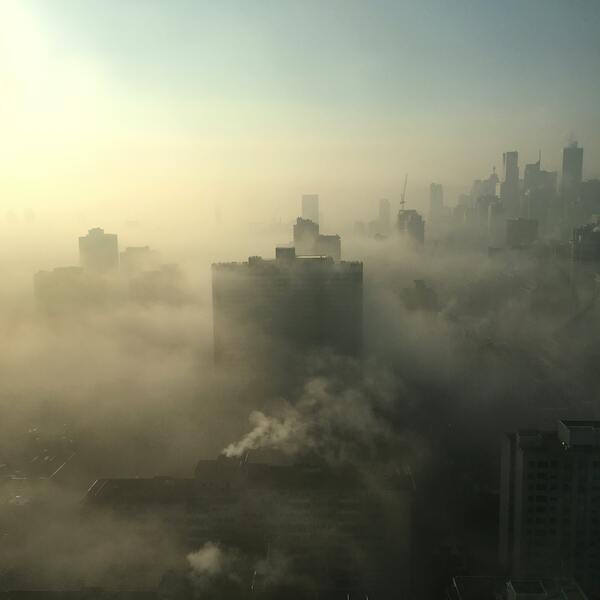
Did the COVID-19 pandemic and travel restrictions improve air quality? The authors investigate this question in New York City using existing pollution data and forecasting trends.
Read More...COVID-19 and air pollution in New York City
Did the COVID-19 pandemic and travel restrictions improve air quality? The authors investigate this question in New York City using existing pollution data and forecasting trends.
Read More...Artificial Intelligence-Based Smart Solution to Reduce Respiratory Problems Caused by Air Pollution

In this report, Bhardwaj and Sharma tested whether placing specific plants indoors can reduce levels of indoor air pollution that can lead to lung-related illnesses. Using machine learning, they show that plants improved overall indoor air quality and reduced levels of particulate matter. They suggest that plant-based interventions coupled with sensors may be a useful long-term solution to reducing and maintaining indoor air pollution.
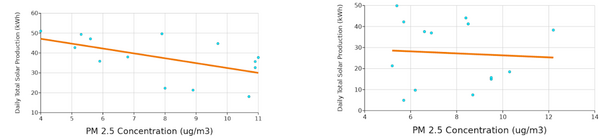
Read More...Correlation between concentration of particulate matter 2.5 and solar energy production in Brooklyn, NY
A land use regression model to predict emissions from oil and gas production using machine learning
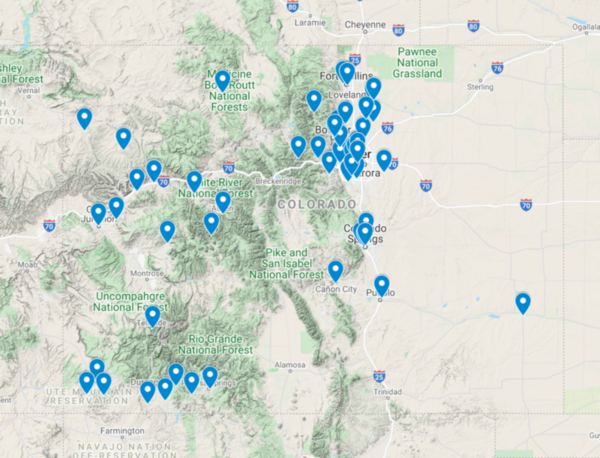
Emissions from oil and natural gas (O&G) wells such as nitrogen dioxide (NO2), volatile organic compounds (VOCs), and ozone (O3) can severely impact the health of communities located near wells. In this study, we used O&G activity and wind-carried emissions to quantify the extent to which O&G wells affect the air quality of nearby communities, revealing that NO2, NOx, and NO are correlated to O&G activity. We then developed a novel land use regression (LUR) model using machine learning based on O&G prevalence to predict emissions.
Read More...Correlation between shutdowns and CO levels across the United States.
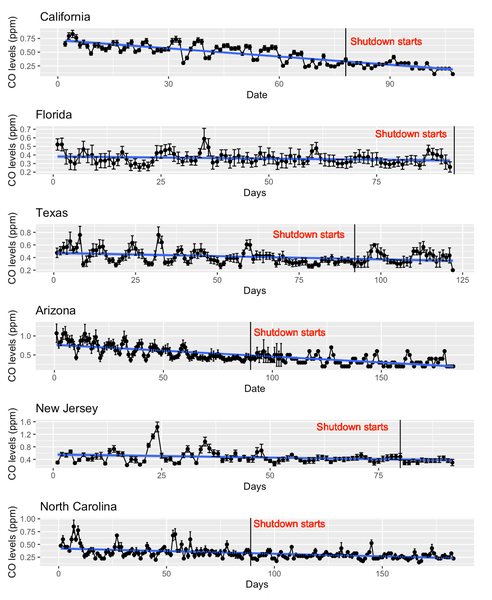
Concerns regarding the rapid spread of Sars-CoV2 in early 2020 led company and local governmental officials in many states to ask people to work from home and avoid leaving their homes; measures commonly referred to as shutdowns. Here, the authors investigate how shutdowns affected carbon monoxide (CO) levels in 15 US states using publicly available data. Their results suggest that CO levels decreased as a result of these measures over the course of 2020, a trend which started to reverse after shutdowns ended.
Read More...Testing filtration capabilities of household fabrics for protection against airborne contaminants
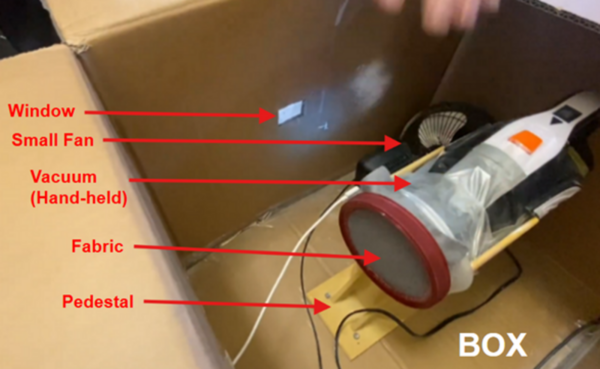
Toxic particulates in the atmosphere pose significant health risks, and while modern masks can help reduce inhalation of these pollutants, their availability may be limited during health crises. This study evaluated the effectiveness of household fabrics (cotton, fleece, wool, and rayon) as particulate filters, finding that cotton outperformed the others in filtration efficiency, while rayon was the least effective. The findings suggest that cotton is a preferable alternative for filtration purposes, while rayon should be avoided.
Read More...The determinants and incentives of corporate greenhouse gas emission reduction
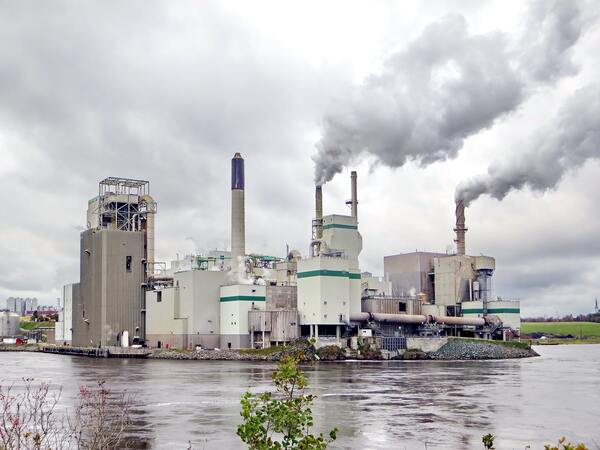
This study used hand-collected Greenhouse gas (GHG) emissions data from the Environmental Protection Agency (EPA) and aimed to understand the determinants and incentives of GHG emissions reduction. It explored how companies’ financials, Chief Executive Officer (CEO) compensation, and corporate governance affected GHG emissions. Results showed that companies reporting GHG emissions were wide-spread among the 48 industries represented by two-digit Standard Industrial Classification (SIC) codes.
Read More...Assessing the association between developed surface area and land surface temperature of urban areas
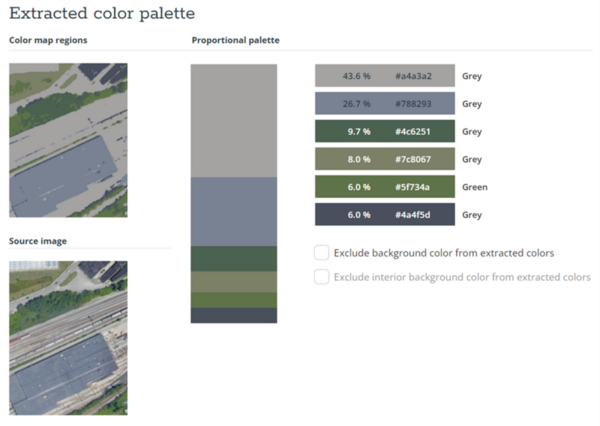
Almost all urban areas face the challenge of urban heat islands, areas with substantially hotter land surface temperatures than the surrounding rural areas. These areas are associated with worse air and water
quality, increased power outages, and increased heat-related illnesses. To learn more about these areas, Ustin et al. analyze satellite images of Cleveland neighborhoods to find out if there is a correlation between surface area development and surface temperature.
Earthworms as soil quality indicators: A case study of Crissy Field and Bayview Hunters Point naval shipyard

The authors looked at soil quality of former military sites where chemical disposal was known to have occurred. Along with testing for heavy metals, the authors also looked for the presence (and number) of earthworms present in topsoil samples as a marker of soil health.
Read More...AeroPurify: Autonomous air filtration UAV using real-time 3-D Monte Carlo gradient search

Here the authors present an autonomous drone air filtration system that uses a novel algorithm, the gradient ascent ML particle filter (GA/MLPF), to efficiently locate and mitigate outdoor air pollution. They demonstrate that their GA/MLPF algorithm is significantly more efficient than the conventional gradient ascent algorithm, reducing both the time and number of waypoints needed to find the source of pollution.
Read More...