Browse Articles

The effect of Omega-3 on bovine blood cells as a potential remedy for Cerebral Cavernous Malformations

Pulluru et al. | Sep 22, 2023

The effect of Omega-3 on bovine blood cells as a potential remedy for Cerebral Cavernous Malformations
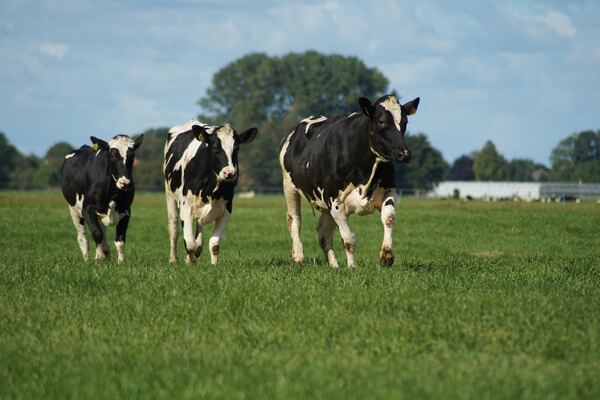
Image credit: Carolien van Oijen

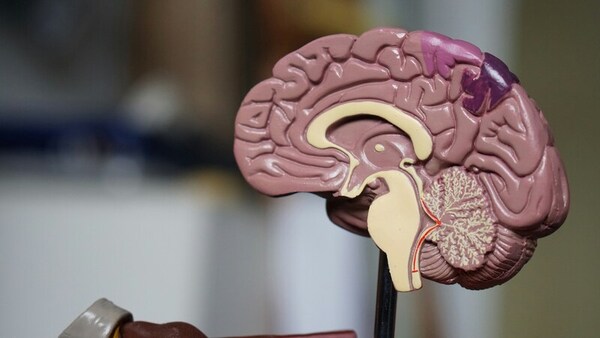
Here, the authors investigated if dietary Omega-3 fatty acids could reduce the potential for cerebral cavernous malformations, which are brain lesions that occur due to a genetic mutation where high membrane permeability occurs between endothelial cell junctions. In a bovine-based study where some cows were fed an Omega-3 diet, the authors found the membranes of bovine blood cells increased in thickness with Omega-3 supplementation. As a result, they suggest that dietary Omega-3 could be considered as a possible preventative measure for cerebral cavernous malformations.

Read More...
A novel approach for predicting Alzheimer’s disease using machine learning on DNA methylation in blood

Adami et al. | Sep 20, 2023

A novel approach for predicting Alzheimer’s disease using machine learning on DNA methylation in blood
Image credit: National Cancer Institute

Here, recognizing the difficulty associated with tracking the progression of dementia, the authors used machine learning models to predict between the presence of cognitive normalcy, mild cognitive impairment, and Alzheimer's Disease, based on blood DNA methylation levels, sex, and age. With four machine learning models and two dataset dimensionality reduction methods they achieved an accuracy of 53.33%.

Read More...

Near-infrared activation of environmentally-friendly gold and silver nanoparticles for unclogging arteries

Gill et al. | Sep 06, 2024

Near-infrared activation of environmentally-friendly gold and silver nanoparticles for unclogging arteries

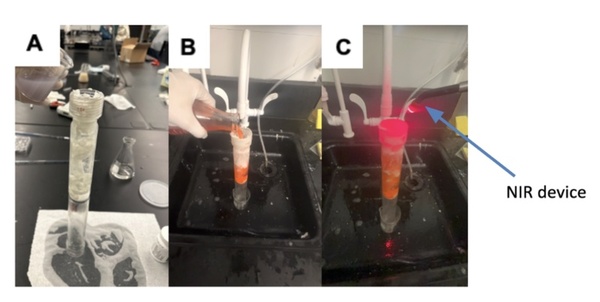
Coronary artery disease, the leading cause of death worldwide, results from cholesterol build-up in coronary arteries, limiting blood and oxygen flow to the heart. This study investigated the use of gold and silver nanoparticles coated with aspirin and activated by near-infrared light to improve blood flow in a clogged artery model. The nanoparticles increased simulated blood flow rates, demonstrating potential as a less invasive and more targeted treatment for cardiovascular disease.

Read More...

Effect of Increasing Concentrations of Cannabidiol (CBD) on Hatching, Survival and Development of Artemia salina

Rabbani et al. | Jul 27, 2020

Effect of Increasing Concentrations of Cannabidiol (CBD) on Hatching, Survival and Development of <em>Artemia salina</em>

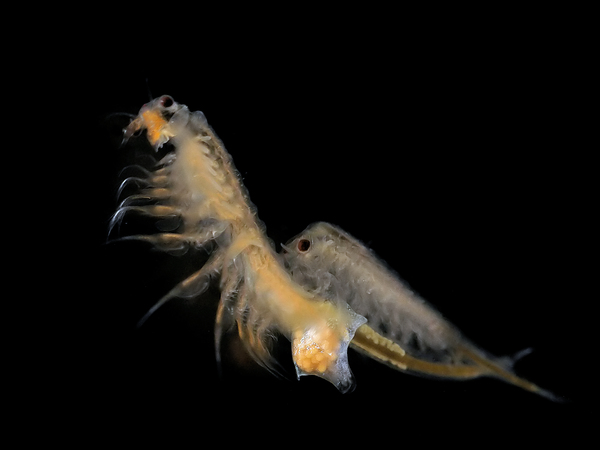
Cannabidiol, or CBD, is a widely available over the counter treatment used for various medical conditions. However, CBD exerts its effects on the endocannabinoid system, which is involved in neural maturation, and could potentially have adverse effects on brain development. Here, the impact of CBD on the development of brine shrimp (Artemia salina) was assessed. Differences in dose responses were observed.

Read More...

Stereolithography 3D-printed stents with silica and zirconia nanoparticle reinforcement for intracranial aneurysm treatment

Panda et al. | Oct 12, 2026

Stereolithography 3D-printed stents with silica and zirconia nanoparticle reinforcement for intracranial aneurysm treatment
Image credit: Panda, Jeong, and Srinivasan

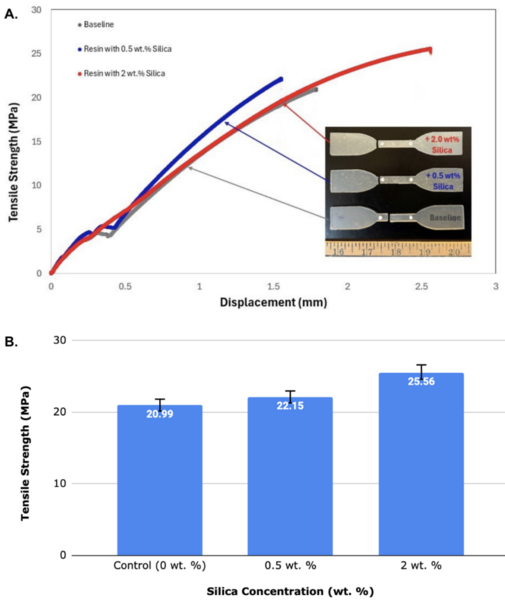
This manuscript focuses on improving the mechanical strength and radiopacity of SLA 3D-printed stent materials by incorporating nanoparticles for their application in flow-diverting stents (FDSs) used to treat aneurysms. The authors used biocompatible, bioresorbable resin formulations with varying concentrations of silica and zirconium to enhance tensile strength and radiopacity, respectively. The authors employed SEM to confirm the incorporation of nanoparticles, and CT imaging was used to assess the effect of zirconium-infused FDSs.

Read More...

Correlates of Sugar Consumption Among High School Students and Faculty

McBurnett et al. | Mar 07, 2019

Correlates of Sugar Consumption Among High School Students and Faculty

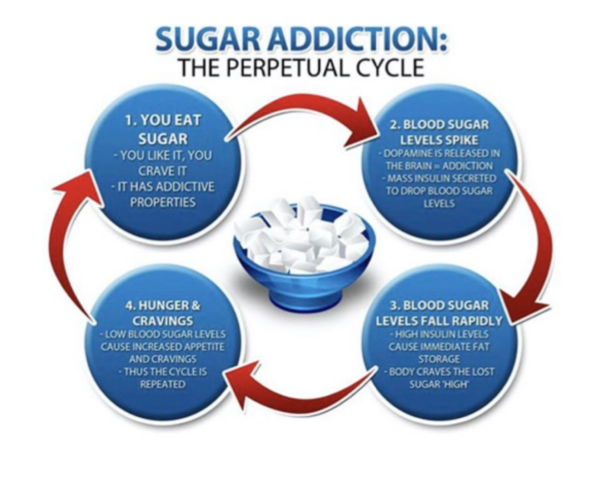
The availability, portion sizes, and consumption of highly palatable food has been linked adverse health outcomes. McBurnett and O’Donnell sought to assess the relationship between reward-based eating drive, consumption, cravings, and knowledge of the effects of sugary foods. In this study population, reward-based eating drive was related to both consumption and cravings. Further, for females, the knowledge of sugar’s effects was significantly and inversely associated with its consumption.

Read More...