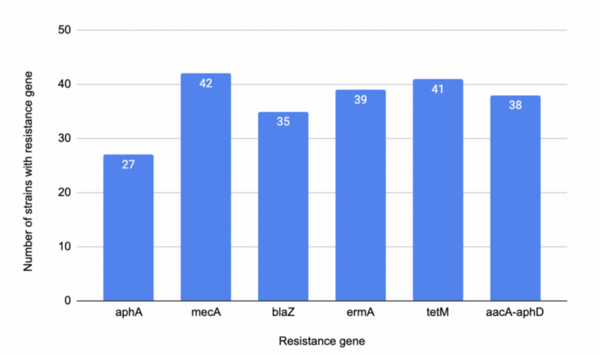
The authors looked at how the presence of difference antibiotic resistance genes would influence antibiotic resistance in Staphylococcus aureus.
Read More...Analysis of antibiotic resistance genes in publicly accessible Staphylococcus aureus genomes
The authors looked at how the presence of difference antibiotic resistance genes would influence antibiotic resistance in Staphylococcus aureus.
Read More...Genomic Signature Analysis for the Strategic Bioremediation of Polycyclic Aromatic Hydrocarbons in Mangrove Ecosystems in the Gulf of Tonkin
Engineered bacteria that degrade oil are currently being considered as a safe option for the treatment of oil spills. For this approach to be successful, the bacteria must effectively express oil-degrading genes they uptake as part of an external genoming vehicle called a "plasmid". Using a computational approach, the authors investigate plasmid-bacterium compatibility to find pairs that ensure high levels of gene expression.
Read More...Investigating the contribution of genetic risk factors to gastric cancer in Korean-ancestry populations
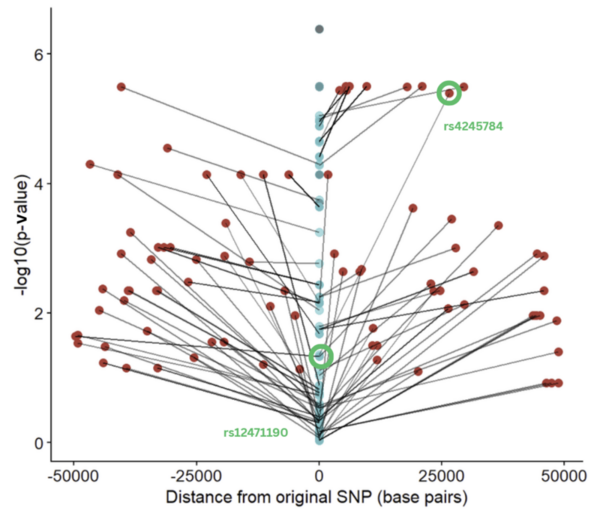
This project investigated whether previously identified genetic risk factors in non-Korean populations were associated with high gastric cancer incidence rates in Koreans.
Read More...Integrated expression, mutation, and survival analysis of 17 key genes in breast cancer using TCGA-BRCA data
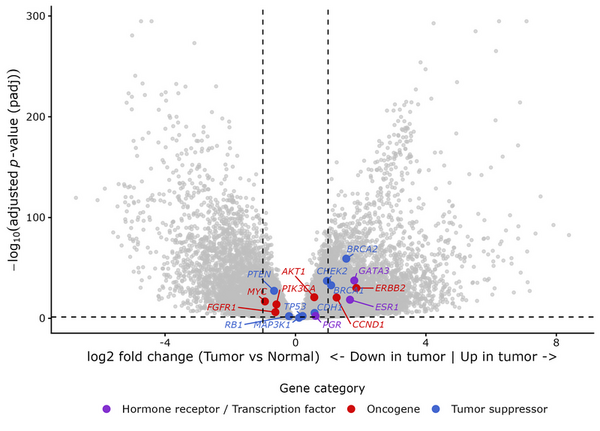
This study combines gene expression, mutation profiling, and survival analysis of 17 clinically important genes in breast cancer, utilizing the TCGA-BRCA dataset. Our results show that there are different patterns of oncogene upregulation, different levels of tumor suppressor activity, and complicated survival associations. TP53 was the most frequently mutated gene in this cohort. The results underscore the significance of multidimensional genomic analyses for a comprehensive understanding of breast cancer biology and its therapeutic ramifications.
Read More...Stress-induced genetic memory inheritance and retention in Planarian biological model
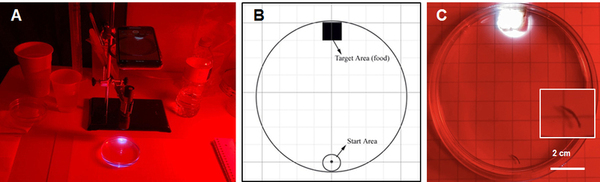
This study explored whether planaria, known for their regenerative abilities, can retain learned memories after regeneration and how stressors like alcohol affect memory.
Read More...Mendelian randomization reveals shared genetic landscape in autism spectrum disorder and Alzheimer's disease
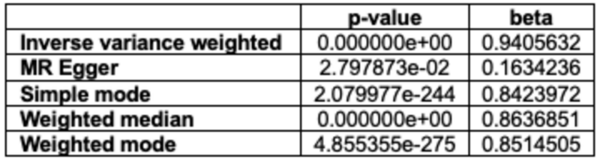
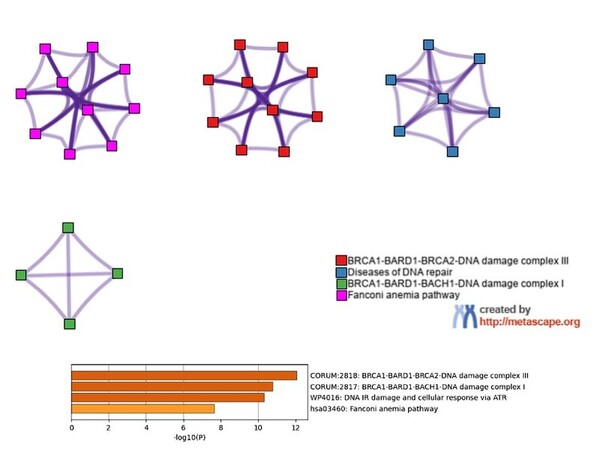
Autism Spectrum Disorder (ASD) and Alzheimer's Disease (AD) are distinct conditions, but research suggests a link, as individuals with ASD are 2.5 times more likely to develop AD. A study employing genome-wide association studies and Mendelian randomization revealed shared genetic factors, particularly in synaptic regulation pathways, that may increase the risk of AD in those with ASD. These findings provide insights into the genetic underpinnings connecting the two disorders.
Read More...Revisiting the Belmont Report: an analysis of the bioethical values of Generation Z
The authors studied the bioethical values of Generation Z.
Read More...Contribution of environmental factors to genetic variation in the Pacific white-sided dolphin
Here the authors sought to understand the effects of different variables that may be tied to pollution and climate change on genetic variation of Pacific white-sided dolphins, a species that is currently threatened by water pollution. Based on environmental data collected alongside a genetic distance matrix, they found that ocean currents had the most significant impact on the genetic diversity of Pacific white-sided dolphins along the Japanese coast.
Read More...Aberrant response to dexamethasone suppression test associated with inflammatory response in MDD patients
Major depressive disorder (MDD) is a prevalent mood disorder. The direct causes and biological mechanisms of depression still elude understanding, though genetic factors have been implicated. This study looked to identify the mechanism behind the aberrant response to the dexamethasone suppression test (DST) displayed by MDD patients, in which they display a lack of cortisol suppression. Analysis revealed several pro-inflammatory genes that were significant and differentially expressed between affected and non-affected groups in response to the DST. Looking at ways to decrease the inflammatory response could have implications for treatment and may explain why some people treated for depression still display symptoms or may lead researchers to different classes of drugs for treatment.
Read More...Mapping QTLs for Popping Ability in a Popcorn × Dent Maize Genetic Cross
Have you ever wondered what contributes to the popping ability of popcorn? In this study, the authors use Quantitative Trait Locus (QTL) mapping to identify genes that may contribute to specific popping characteristics including kernel size and popping expansion volume (PEV).
Read More...