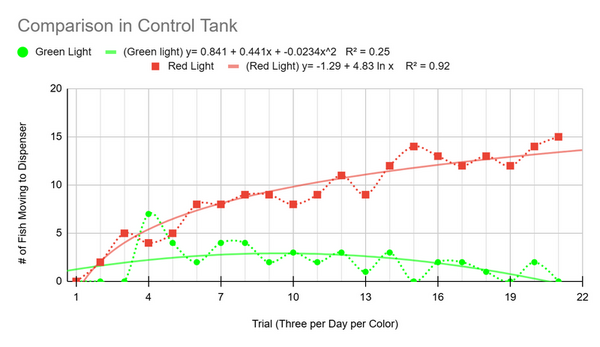
This study investigates how caffeine and melatonin affect learning in adolescent zebrafish, serving as a model for human teens. Using an automated system to track behavior, we found that melatonin slowed learning while caffeine caused erratic, inconsistent responses, suggesting both substances can negatively impact adolescent learning patterns. These findings highlight the need for further research into their physiological effects and potential implications for human adolescents.
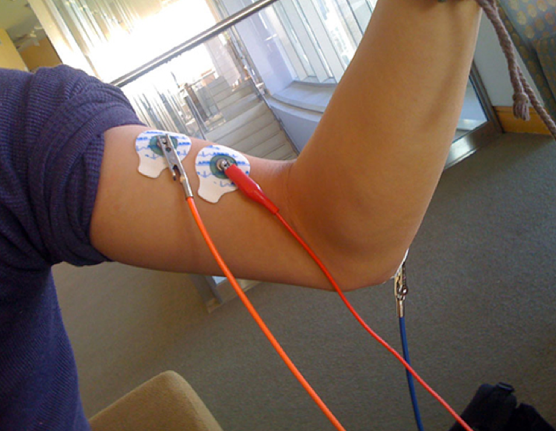
Control of voluntary and involuntary movements is one of the most important aspects of human neurological function, but the mechanisms of motor control are not completely understood. In this study, the authors use transcranial magnetic stimulation (TMS) to stimulate a portion of the motor cortex while subjects performed either discrete (e.g. throwing) or rhythmic (e.g. walking) movements. By recording electrical activity in the muscles during this process, the authors showed that motor evoked potentials (MEPs) measured in the muscles during TMS stimulation are larger in amplitude for discrete movements than for rhythmic movements. Interestingly, they also found that MEPs during transitions between rhythmic and discrete movements were nearly identical and larger in amplitude than those recorded during either rhythmic or discrete movements. This research provides important insights into the mechanisms of neurological control of movement and will serve as the foundation for future studies to learn more about temporal variability in neural activity during different movement types.
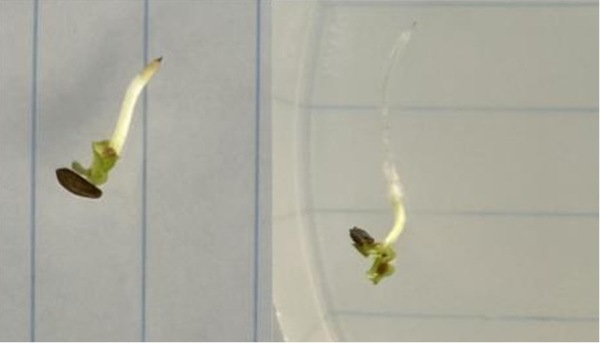
Microplastic pollution is a pressing environmental issue, particularly in the context of its potential impacts on ecosystems and human health. In this study, we explored the ability of plants, specifically those cultivated for human consumption, to absorb microplastics from their growing medium. We found no evidence of microplastic absorption in both intact and mechanically damaged roots. This outcome suggests that microplastics larger than 10 μm may not be readily absorbed by the root systems of leafy crops such as lettuce (L. sativa).
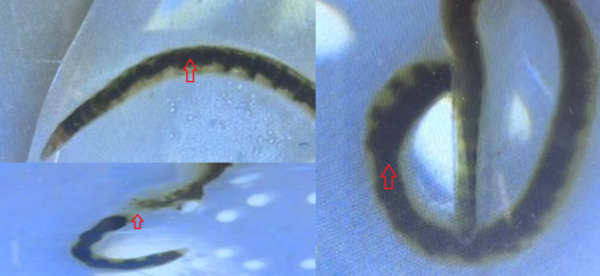
This study examines the effects of tumeric, and alph-lipoic acid on segment regeneration and cardiovascular pulse rate, using the California blackworm. Results can ultimately demonstrate potential natural compounds for tissue repair and their effect on physiological activity.
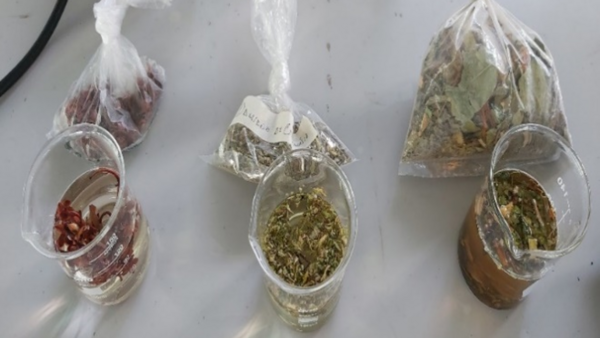
This study investigates the presence of alkaloids in a variety of medicinal plants using the Marquis reagent. They reveal some surprising results and how useful the Marquis reagent is.
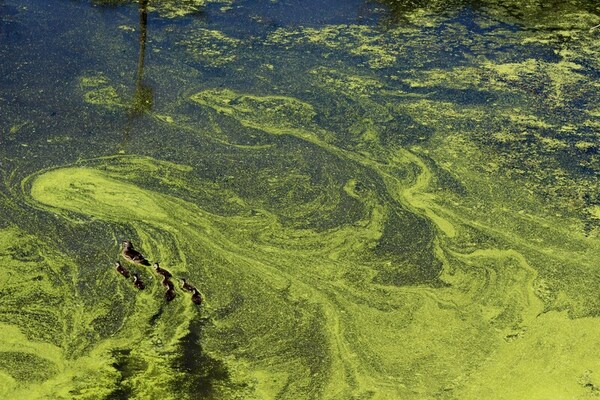
Here the authors investigated the effectiveness of algal pretreatment in reducing nitrate toxicity and extending the survival of fish in contaminated river water. Their findings demonstrate that treating nitrate-polluted water with algae extended fish survival by up to 50%, suggesting that algae could serve as a valuable tool for mitigating the destructive impacts of agricultural and industrial runoff on aquatic ecosystems.
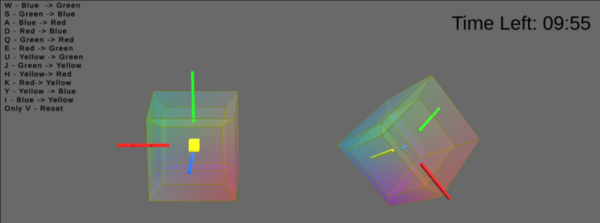
The authors looked at the ability subjects to rotation a 4D cube and how the ability to practice cube rotation impact their ability to understand 4D space.
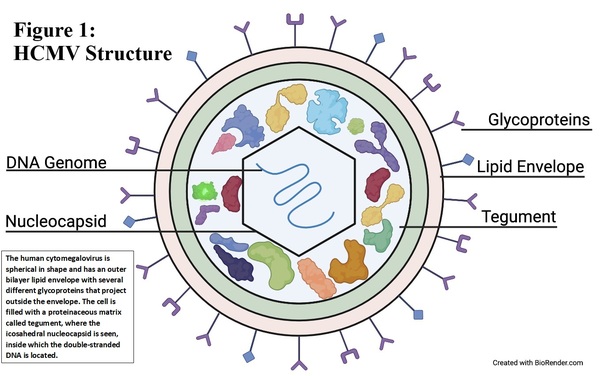
Human cytomegalovirus (HCMV) causes serious infections in immunocompromised patients and therapies to inhibit latent HCMV are not developed. Using CRISPR/Cas9, the authors were able to delete an important promoter region in HCMV.
Ecological corridors are geographic features designated to allow the movement of wildlife populations between habitats that have been fragmented by human landscapes. Corridors can be a pivotal aspect in wildlife conservation because they preserve a suitable habitat for isolated populations to live and intermingle. Here, two students simulate the effect of introducing a safety corridor for cheetahs, based on real tracking data on cheetahs in Namibia.