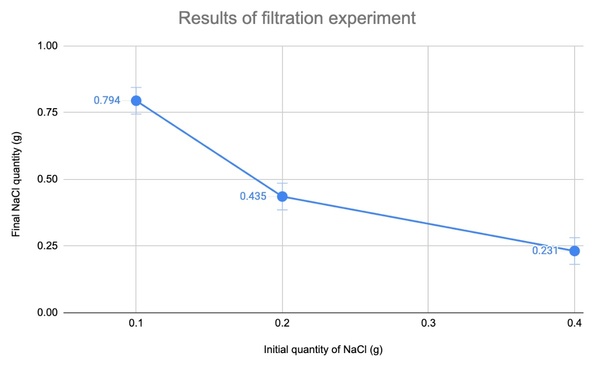
The authors investigated the efficacy of functionalized graphene oxide nanoparticles for turning saltwater to freshwater.
Read More...Functionalized graphene oxide nanoparticles for improved saltwater treatment
The authors investigated the efficacy of functionalized graphene oxide nanoparticles for turning saltwater to freshwater.
Read More...Investigating the potential of zinc oxide nanoparticles and zinc ions as promising approaches to lung cancer

Here, the authors chose to investigate the efficacy of zinc oxide nanoparticles (ZnO NPs) and cisplatin or zinc ions in inducing cancer apoptosis. While both treatments were found to reduce the proliferation of lung cancer cells, the authors suggest that further studies to identify the mechanism are necessary.
Read More...Stereolithography 3D-printed stents with silica and zirconia nanoparticle reinforcement for intracranial aneurysm treatment
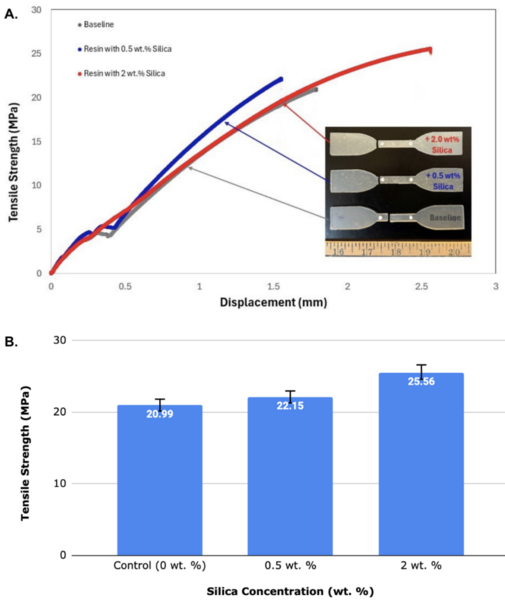
This manuscript focuses on improving the mechanical strength and radiopacity of SLA 3D-printed stent materials by incorporating nanoparticles for their application in flow-diverting stents (FDSs) used to treat aneurysms. The authors used biocompatible, bioresorbable resin formulations with varying concentrations of silica and zirconium to enhance tensile strength and radiopacity, respectively. The authors employed SEM to confirm the incorporation of nanoparticles, and CT imaging was used to assess the effect of zirconium-infused FDSs.
Read More...Linearity of piezoelectric response of electrospun polymer-based (PVDF) fibers with barium titanate nanoparticles
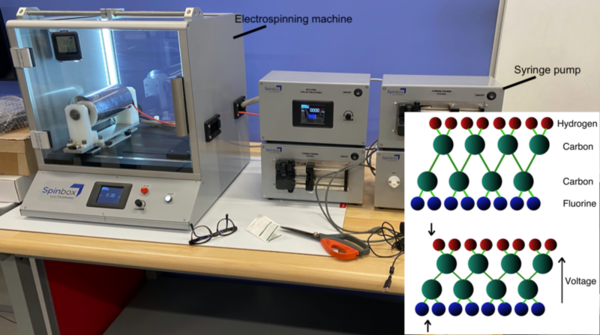
Here, seeking to develop an understanding of the properties that determine the viability of piezoelectric flexible materials for applications in electro-mechanical sensors, the authors investigated the effects of the inclusion BaTiO3 nanoparticles in electrospun Polyvinyledene Fluoride. They found the voltage generated had a piecewise linear dependence on the applied force at a few temperatures.
Read More...Development of anti-cancer bionanoparticles isolated from corn for bone cancer treatment

This study hypothesizes that nanoparticles derived from corn (cNPs)may have anti-proliferative effects on bone cancer and metastasized bone cancer. It finds that human osteosarcoma and human lung carcinoma metastasized to bone marrow cell viability decreased to 0% when treated with cNPs. Overall, these results indicate that cNPs have anti-proliferative effects on bone cancer cells and cancer cells that metastasize to the bone.
Read More...In silico modeling of emodin’s interactions with serine/threonine kinases and chitosan derivatives
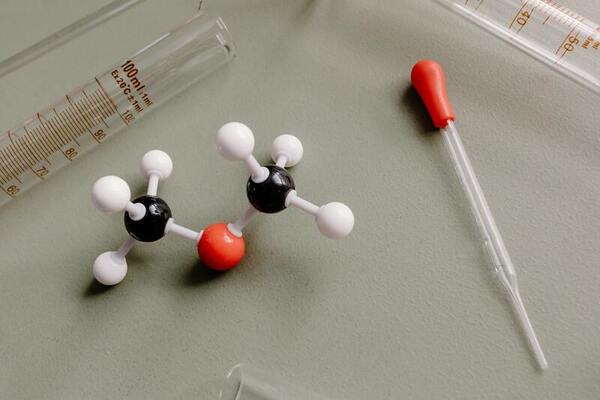
Here, through protein-ligand docking, the authors investigated the effect of the interaction of emodin with serine/threonine kinases, a subclass of kinases that is overexpressed in many cancers, which is implicated in phosphorylation cascades. Through molecular dynamics theyfound that emodin forms favorable interactions with chitosan and chitosan PEG (polyethylene glycol) copolymers, which could aid in loading drugs into nanoparticles (NPs) for targeted delivery to cancerous tissue. Both polymers demonstrated reasonable entrapment efficiencies, which encourages experimental exploration of emodin through targeted drug delivery vehicles and their anticancer activity.
Read More...Improving Wound Healing by Breaking Down Biofilm Formation and Reducing Nosocomial Infections
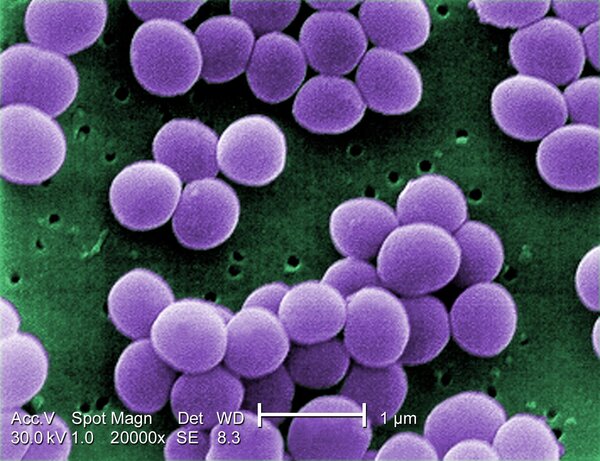
In a 10-year period in the early 2000’s, hospital-based (nosocomial) infections increased by 123%, and this number is increasing as time goes on. The purpose of this experiment was to use hyaluronic acid, silver nanoparticles, and a bacteriophage cocktail to create a hydrogel that promotes wound healing by increasing cell proliferation while simultaneously disrupting biofilm formation and breaking down Staphylococcus aureus and Pseudomonas aeruginosa, which are two strains of bacteria that attribute to nosocomial infections and are increasing in antibiotic resistance.
Read More...Silver armor against bacteria: A battle of antimicrobial effectiveness
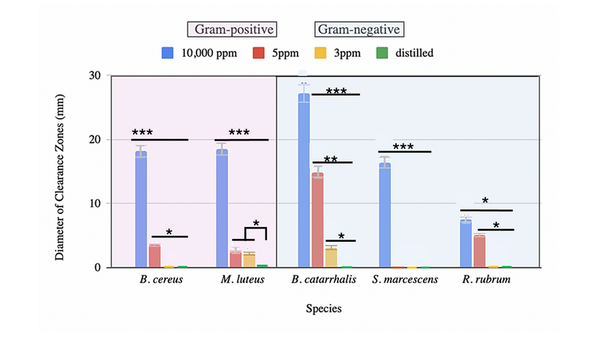
Pathogenic bacteria cause major economic losses in agriculture, and widespread antibiotic use has led to increasing resistance. This study tested whether a low-cost DIY method could produce antibacterial colloidal silver effective against both Gram-negative and Gram-positive plant pathogens.
Read More...The effect of circumference on the segregation of objects in a mixture
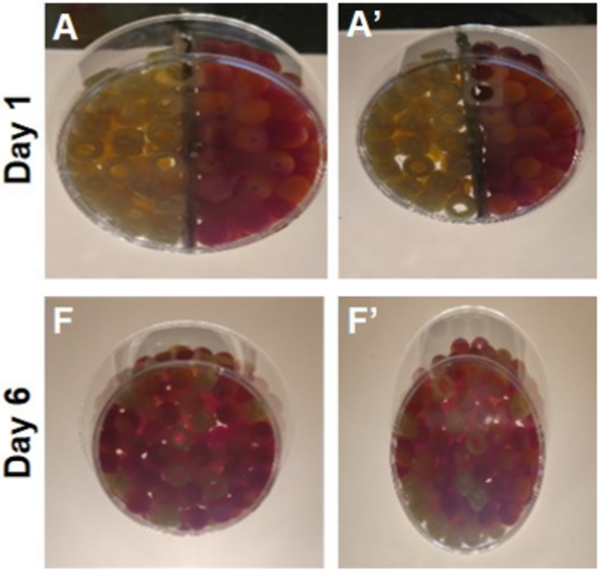
The authors test how the size-segregation theory applies to the behavior of hollow and irregular-shaped objects.
Read More...The effect of nanosilver particles on the lifespan of Daphnia magna in pond water
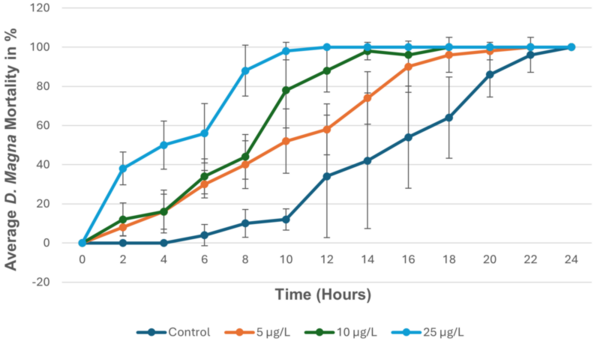
The authors looked at how nanosilver particles may negatively impact the pond water environment. They used D. magna as an indicator species to look at the impact of different concentrations of nanosilver particles.
Read More...