Browse Articles

Ribosome distribution affects stalling in amino-acid starved cancer cells

Deng et al. | Jan 07, 2022

Ribosome distribution affects stalling in amino-acid starved cancer cells

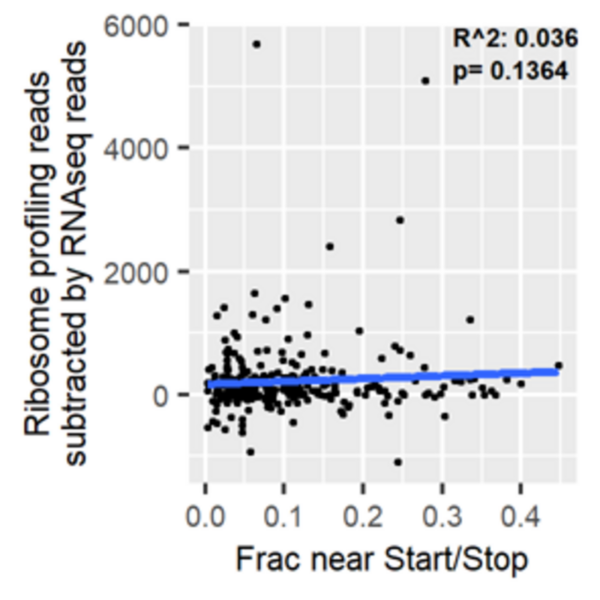
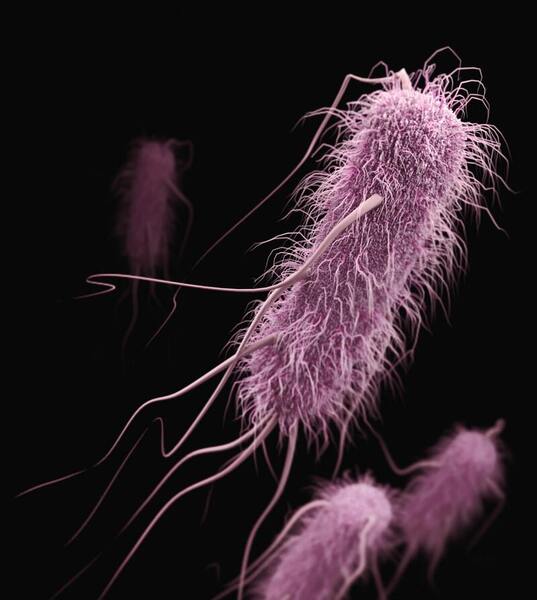
In this article, the authors analyzed ribosome profiling data from amino acid-starved pancreatic cancer cells to explore whether the pattern of ribosome distribution along transcripts under normal conditions can predict the degree of ribosome stalling under stress. The authors found that ribosomes in amino acid-deprived cells stalled more along elongation-limited transcripts. By contrast, they observed no relationship between read density near start and stop and disparities between mRNA sequencing reads and ribosome profiling reads. This research identifies an important relationship between read distribution and propensity for ribosomes to stall, although more work is needed to fully understand the patterns of ribosome distribution along transcripts in ribosome profiling data.

Read More...

Flight paths over greenspace in major United States airports

Lee et al. | Sep 26, 2023

Flight paths over greenspace in major United States airports
Image credit: Mostafijur Rahman Nasim

Greenspaces (urban and wetland areas that contain vegetation) are beneficial to reducing pollution, while airplanes are a highly-polluting method of transportation. The authors examine the intersection of these two environmental factors by processing satellite images to reveal what percentage of flight paths go over greenspaces at major US airports.

Read More...

Optimizing Interplanetary Travel Using a Genetic Algorithm

Murali et al. | Oct 28, 2018

Optimizing Interplanetary Travel Using a Genetic Algorithm

In this work, the authors develop an algorithm that solves the problem of efficient space travel between planets. This is a problem that could soon be of relevance as mankind continues to expand its exploration of outer space, and potentially attempt to inhabit it.

Read More...

An in silico molecular analysis of the antifungal properties of Ageratum conyzoides

Sathish et al. | Apr 28, 2026

An <i>in silico</i> molecular analysis of the antifungal properties of <i>Ageratum conyzoides</i>
Image credit: Bánh Bao Chiên

This study explores the interaction between precocene II and trichocethecene 3-O-acetyltransferase using molecular docking simulations. Computational analysis identified several potential binding sites on the enzyme surface and predicted favorable ligand-protein interactions involving key residues. These findings provide insight into how precocene II may interact with this enzyme and demonstrate the use of computational approaches to explore potential antifungal mechanisms.

Read More...

Fire and dry grass: Effects of Pennisetum villosum on a California native, Nassella pulchra, in drought times

Chang et al. | Jan 23, 2022

Fire and dry grass: Effects of <i>Pennisetum villosum</i> on a California native, <i>Nassella pulchra</i>, in drought times

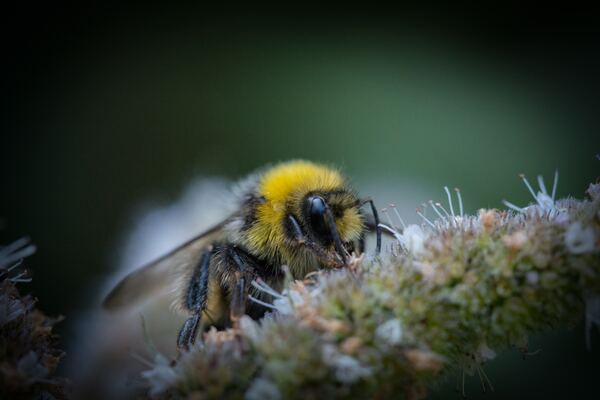
Invasive species pose a significant threat to many ecosystems, whether by outcompeting native species and disturbing food webs, or through increasing risks of natural disasters like flooding and wildfires. The ornamental grass species Pennisetum villosum R. Br. was previously identified by the California Invasive Plant Council as being potentially invasive; this experiment was conducted to determine if P. villosum displays characteristics of an invasive species when grown in a California chaparral environment. Reults found that in both conditions, the two species had similar germination rates, and that P. villosum grew significantly larger than N. pulchra for around 95 days.

Read More...

Do Attractants Bias the Results of Malaise Trap Research?

Martinez et al. | Jan 22, 2020

Do Attractants Bias the Results of Malaise Trap Research?

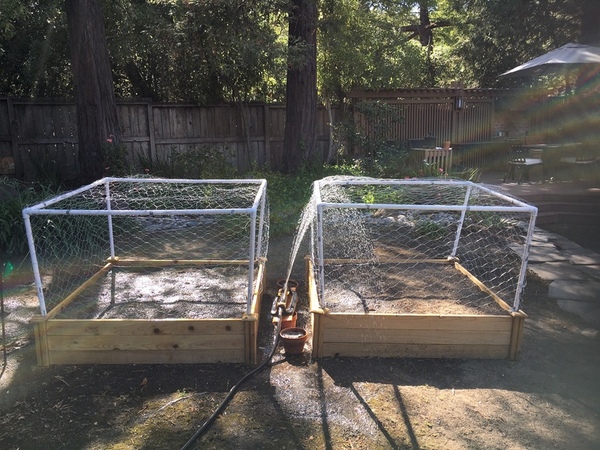
Malaise traps are commonly used to collect flying insects for a variety of research. In this study, researchers hypothesized the attractants used in these traps may create bias in insect studies that could lead to misinterpreted data. To test this hypothesis two different kinds of attractant were used in malaise traps, and insect diversity was assessed. Attractants were found to alter the dispersion of insects caught in traps. These findings can inform future malaise traps studies on insect diversity.

Read More...

Towards an Integrated Solution for Renewable Water and Energy

Chen et al. | Jan 09, 2015

Towards an Integrated Solution for Renewable Water and Energy

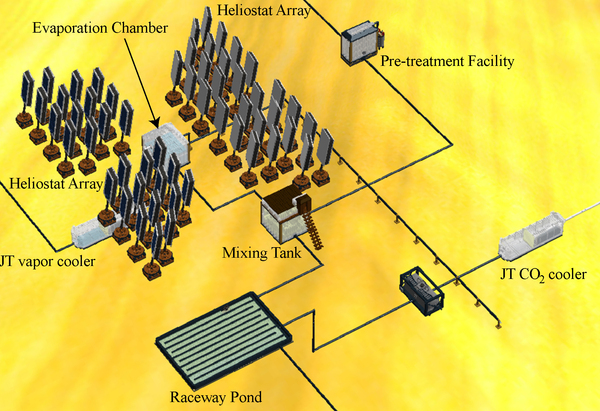
An integrated plant that would generate energy from solar power and provide clean water would help solve multiple sustainability issues. The feasibility of such a plant was investigated by looking at the efficacy of several different modules of such a plant on a small scale.

Read More...