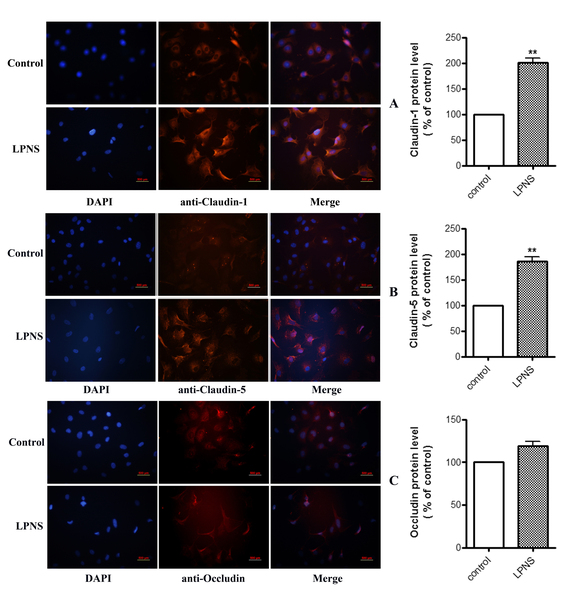
Disruption of the blood-brain barrier (BBB) is related to many neurological disorders, and can be caused by oxidative stress to cerebral microvascular endothelial cells (CMECs) composing the BBB. The authors of the paper investigated the protective effects of the total saponins in the leaves of Panax notoginseng (LPNS) on oxidative-stress-induced damage in a mouse cerebral microvascular endothelial cell line.
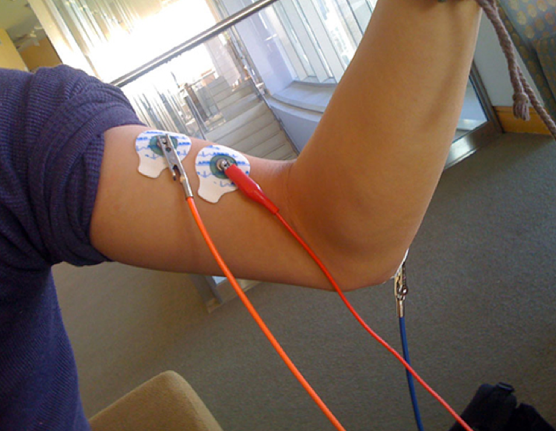
Control of voluntary and involuntary movements is one of the most important aspects of human neurological function, but the mechanisms of motor control are not completely understood. In this study, the authors use transcranial magnetic stimulation (TMS) to stimulate a portion of the motor cortex while subjects performed either discrete (e.g. throwing) or rhythmic (e.g. walking) movements. By recording electrical activity in the muscles during this process, the authors showed that motor evoked potentials (MEPs) measured in the muscles during TMS stimulation are larger in amplitude for discrete movements than for rhythmic movements. Interestingly, they also found that MEPs during transitions between rhythmic and discrete movements were nearly identical and larger in amplitude than those recorded during either rhythmic or discrete movements. This research provides important insights into the mechanisms of neurological control of movement and will serve as the foundation for future studies to learn more about temporal variability in neural activity during different movement types.
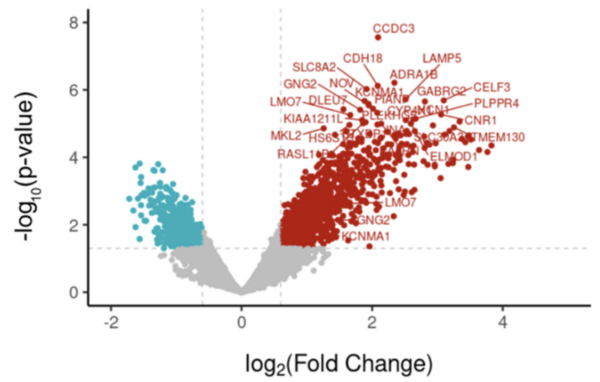
The authors looked at genes that were differentially expressed in patients who had and had not had febrile seizures to determine what differences in gene expression existed.
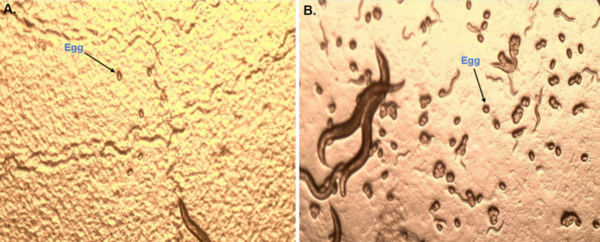
Neuroinflammation and oxidative stress are both known to play a role in the occurrence and severity of seizures. This study tested effects of oxidative stress from seizures by evaluating the longevity, egg-laying, and electroshock resilience of C. elegans. Results revealed that oxidative stress and neuroinflammation diminish longevity and reproductivity while also increasing recovery time after seizures in C. elegans. This research can help lead to future studies and may also lead to finding new therapeutics for epilepsy.
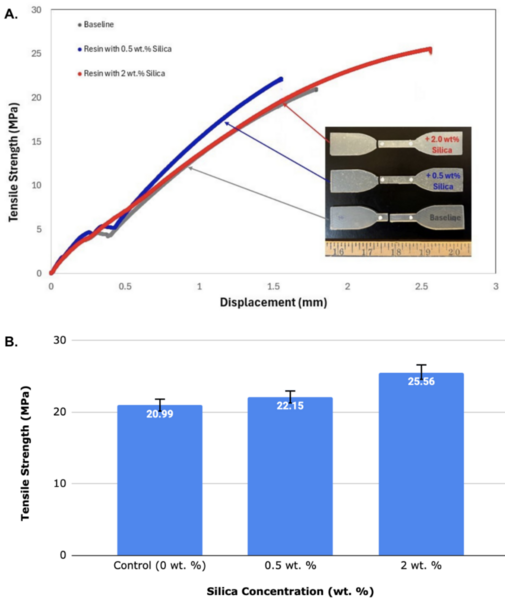
This manuscript focuses on improving the mechanical strength and radiopacity of SLA 3D-printed stent materials by incorporating nanoparticles for their application in flow-diverting stents (FDSs) used to treat aneurysms. The authors used biocompatible, bioresorbable resin formulations with varying concentrations of silica and zirconium to enhance tensile strength and radiopacity, respectively. The authors employed SEM to confirm the incorporation of nanoparticles, and CT imaging was used to assess the effect of zirconium-infused FDSs.
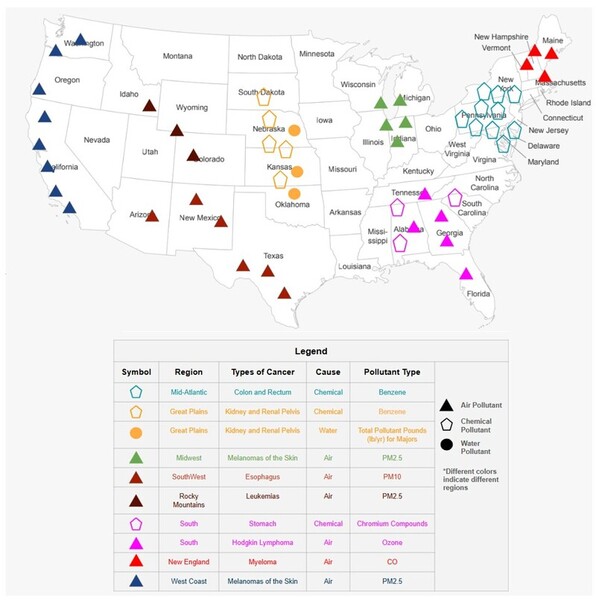
Here the authors investigate the relationship between environmental pollutants and cancer incidence rates across various geographical clusters in the United States from 2018 to 2020. By calculating Pearson correlation coefficients and t-statistics on CDC and EPA data, they demonstrated a strong correlation between specific pollutants and various cancers, offering insights that could help explain regional disparities in cancer rates and aid in preventing premature deaths.
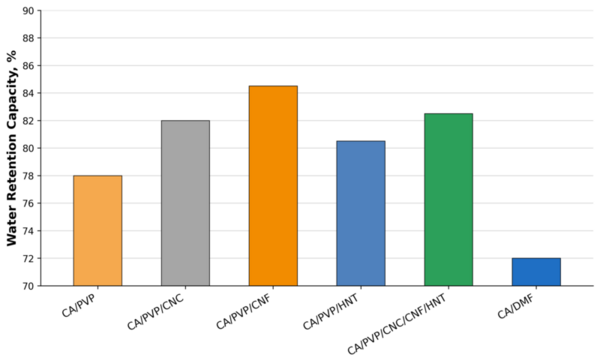
We developed new eco-friendly membranes enriched with natural nanomaterials to clean iron and manganese from drinking water. Some nanocomposite membranes achieved over 95% metal removal while maintaining water flux, suggesting improved performance compared to the undoped control group.
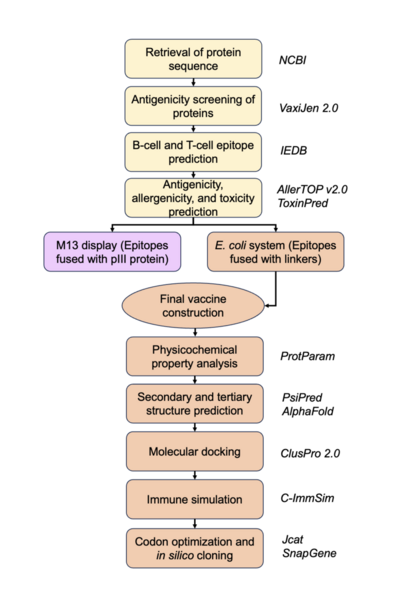
The explored the potential of an epitope-based vaccine for Rocio virus using computational methods and M13 bacteriophage technology. Researchers identified 30 promising B- and T-cell epitopes and designed vaccine candidates using both phage display and E. coli expression systems.