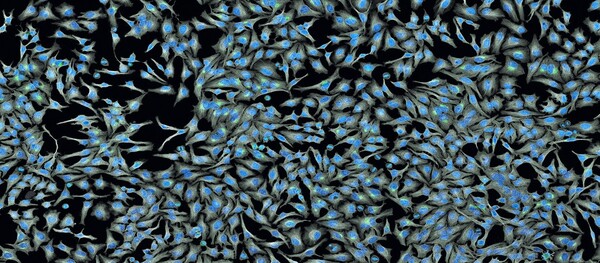
In this study, the authors investigate the anti-cancer effects of Annona Reticulata (Ramphal or custard apple) by testing whether its extract could inhibit HeLa cell viability.
Read More...Phytochemical analysis of Annona Reticulata extract and an in-vitro study on its anti-proliferative effects
In this study, the authors investigate the anti-cancer effects of Annona Reticulata (Ramphal or custard apple) by testing whether its extract could inhibit HeLa cell viability.
Read More...Repulsion of Ants Using Non-Toxic Household Products
Ant invasion causes damage exceeding $5 billion annually in North America. In this study, Ambati and Duvvuri aim to identify natural products with ant-repelling properties using a custom ring apparatus designed to quantify ant-repellence. They report that cinnamon and lemon were the most effective ant repellents of the tested products. These data suggest that compounds found in non-toxic household products, such as cinnamon oil and lemon juice, could be used in low-dose combinations as potent, effective, eco-friendly, and safe ant repellents.
Read More...Specific Transcription Factors Distinguish Umbilical Cord Mesenchymal Stem Cells From Fibroblasts
Stem cells are at the forefront of research in regenerative medicine and cell therapy. Two essential properties of stem cells are self-renewal and potency, having the ability to specialize into different types of cells. Here, Park and Jeong took advantage of previously identified stem cell transcription factors associated with potency to differentiate umbilical cord mesenchymal stem cells (US-MSCs) from morphologically similar fibroblasts. Western blot analysis of the transcription factors Klf4, Nanog, and Sox2 revealed their expression was unique to US-MSCs providing insight for future methods of differentiating between these cell lines.
Read More...Development of Diet-Induced Insulin Resistance in Drosophila melanogaster and Characterization of the Anti-Diabetic Effects of Resveratrol and Pterostilbene
Dhar and colleagues established a Type II diabetes mellitus (T2DM) model in fruit flies, using this model to induce insulin resistance and characterize the effects Resveratrol and Pterostilbene on a number of growth and activity metrics. Resveratrol and Pterostilbene treatment notably overturned the weight gain and glucose levels. The results of this study suggest that Drosophila can be utilized as a model organism to study T2DM and novel pharmacological treatments.
Read More...The Effect of UV Treatment on the Degradation of Compostable Polylactic Acid
Polylactic acid (PLA) is a bio-based, compostable plastic that is comparable in cost to petroleum-based plastics. This study aims to evaluate the effects of UV treatment and mechanical chopping on the degradation of PLA. Based on their findings, the authors propose an alternative PLA degradation process that may be more time and energy efficient than current processes.
Read More...Evaluating the filtration efficiency and water quality impact of Corbicula javanicus
Early detection of student burnout using data science: a study of behavioral and psychological indicators
This study examined behavioral and psychological predictors of burnout among high school and university students in Pakistan using survey data and machine-learning models. Shorter sleep and greater mental fatigue—especially fatigue—were associated with higher burnout risk, while a Random Forest model successfully identified students at risk of burnout.
Read More...Investigating the effects of glucose reintroduction on acutely starved HeLa cells
Cancer cells rely heavily on glycolysis, but how they respond when glucose is reintroduced after acute starvation is not well understood. Using fluorescence lifetime imaging microscopy, students tracked metabolic changes in HeLa cells and found a rapid shift toward glycolysis within 20 minutes of glucose reintroduction, followed by heterogeneous recovery toward oxidative phosphorylation. These results highlight metabolic flexibility and variability in cancer cells, offering insights relevant to treatment resistance and therapeutic design.
Read More...Alpha-amylase inhibitors: Cinnamomum cassia and Camellia sinensis extracts against type II diabetes
α-amylase breaks down starch into glucose, which can cause blood sugar spikes and increase the risk of type II diabetes. This study tested natural extracts from cassia cinnamon and green tea as alternatives to synthetic inhibitors like acarbose, which can be costly and cause side effects.
Read More...The effects of image manipulation on classification of cervical spondylosis X-ray images using deep learning