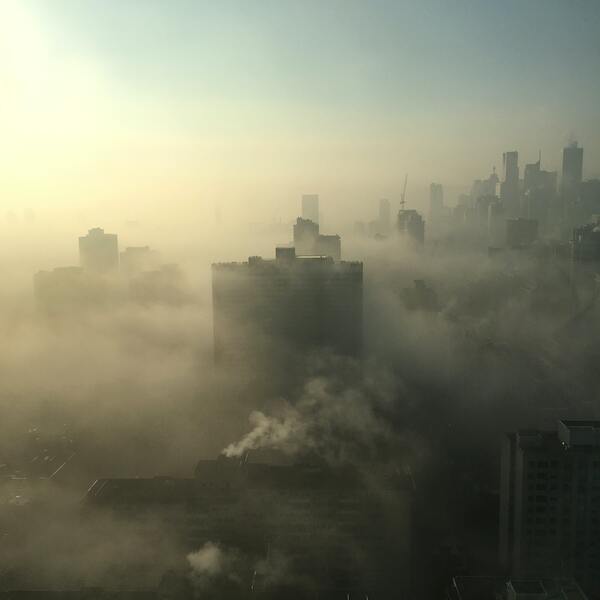
Did the COVID-19 pandemic and travel restrictions improve air quality? The authors investigate this question in New York City using existing pollution data and forecasting trends.
Read More...COVID-19 and air pollution in New York City
Did the COVID-19 pandemic and travel restrictions improve air quality? The authors investigate this question in New York City using existing pollution data and forecasting trends.
Read More...Formation and sticking of air bubbles in water in d-block containers
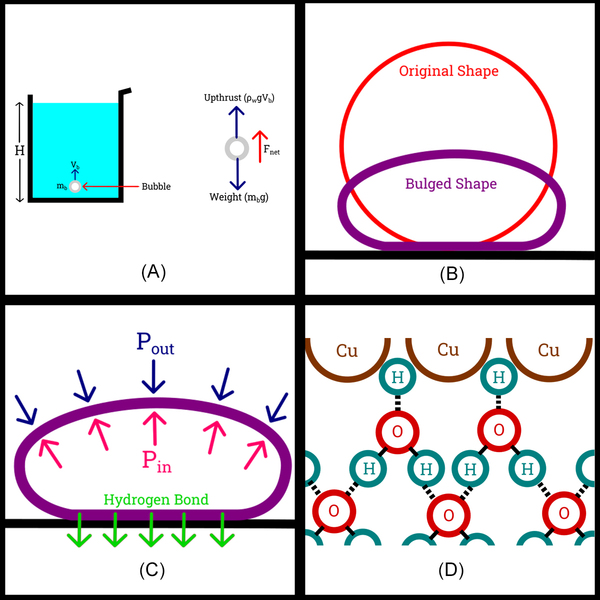
Bubbles! In this study, the authors investigate the effects that different materials, temperature, and distance have on the formation of water bubbles on the surface of copper and steel. They calculated mathematical relations based on the outcomes to better understand whether interstitial hydrogen present in the d-block metals form hydrogen bonds with the water bubbles to account for the structural and mechanical stability.
Read More...Monitoring the formation of polyurethane foams with an infrared camera: Classroom activity
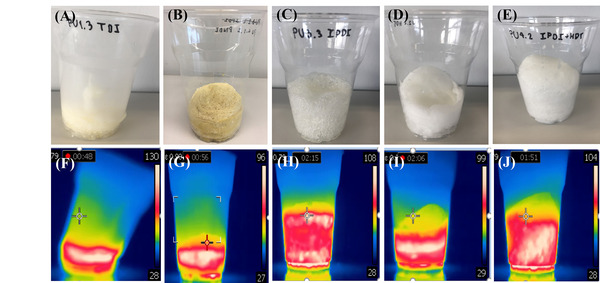
In this study, the authors utilize an infrared camera to visualize and investigate the exothermic reaction of polyurethane foam, which has many everyday uses including automotive seats, bedding, and insulation.
Read More...Predicting Orbital Resonance of 2867 Šteins Using the Yarkovsky Effect
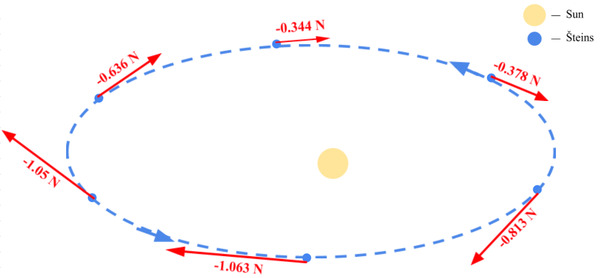
In this study, the impact of thermal effects on the orbit of an asteroid is investigated. This included determining if the asteroid's orbit would push into a region devoid of asteroids due to the gravitational pull of Jupiter.
Read More...Threshold Frequency of a Bubble is Positively Correlated to the Density of the Surrounding Fluid
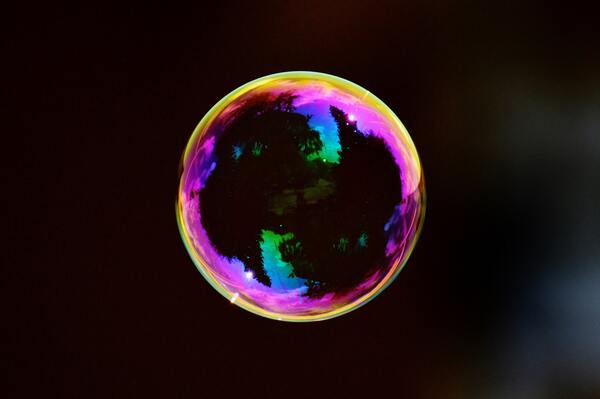
In this article the authors explore the peculiar behavior of sinking bubbles. By investigating the relationship between the viscosity of a fluid and the the formation of stationary bubbles, they identify why bubbles behave differently between in different fluids.
Read More...Longer Exposure to 2% India Ink Increases Average Number of Vacuoles in Tetrahymena pyriformis
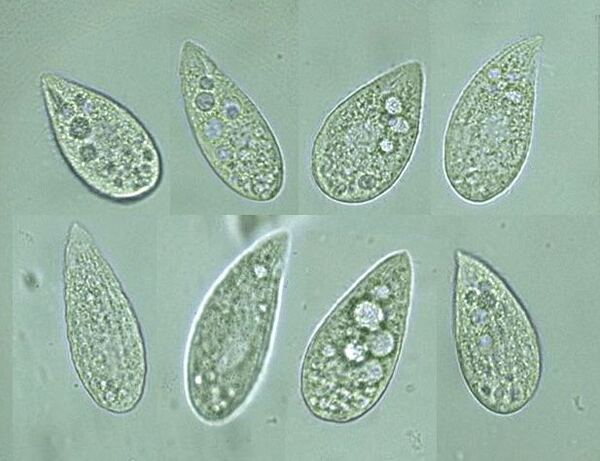
Phagocytes feed by forming food vacuoles. In this article the authors investigate the extent that exposure of non-nutritional food, such as India Ink, to Tetrahymena pyriformis affects the number of vacuole formation. These studies provide insight to how organisms budget their energy and metabolic processes during an energy shortage.
Read More...The Effect of Ethanol Concentration on Beta-Cell Development in Zebrafish
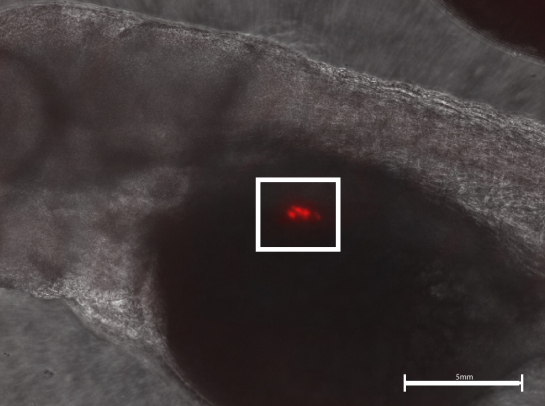
Alcohol is known to cause various developmental diseases including Fetal Alcohol Syndrome. Here the authors investigate the effect of ethanol on the development of zebrafish beta cells, the part of the pancreas associated with Type 1 Diabetes. They find that exposure to ethanol does adversely affect beta-cell development, suggesting that alcohol ingestion during pregnancy may be linked to diabetes in newborns.
Read More...Using machine learning to detect outliers of red clump stars
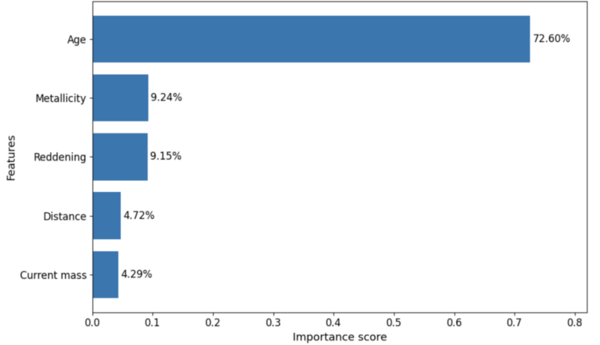
Machine learning offers a powerful way to analyze large astronomical datasets and identify stars with unusual properties. In this study, students used Extreme Gradient Boosting and Isolation Forest models to investigate why some red clump stars deviate from their expected luminosities. Their results show that stellar age plays a much stronger role than metallicity in driving luminosity variation, and the models successfully detected outlier stars that may affect distance measurements in galactic studies.
Read More...The effect of chondroitin sulfate on the development of plants grown in roadside soil
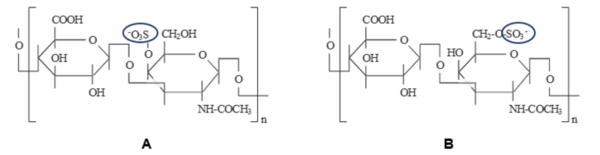
Heavy metal contamination from transportation can damage soil and vegetation by increasing oxidative stress, disrupting enzymes, and impairing photosynthesis. This study investigated whether chondroitin sulfate (CS) could reduce the harmful effects of contaminated roadside soil on plant growth by binding with metal ions.
Read More...Increasing CO2 levels in water decrease the hatching success of brine shrimp
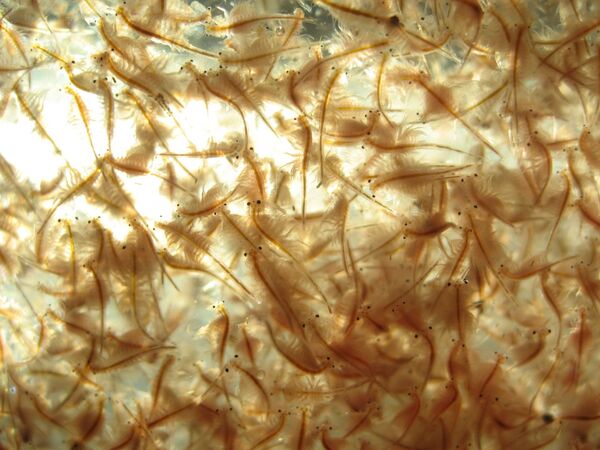
As atmospheric carbon dioxide (CO2) levels rise, ocean acidification poses a growing threat to marine ecosystems. To better understand these changes, this study investigates how varying CO2 levels influence the growth of brine shrimp. The findings offer important insights into the resilience of aquatic life and the broader implications of environmental change.
Read More...