Browse Articles

Using economic indicators to create an empirical model of inflation

Kasera et al. | Dec 01, 2022

Using economic indicators to create an empirical model of inflation

Here, seeking to understand the correlation of 50 of the most important economic indicators with inflation, the authors used a rolling linear regression to identify indicators with the most significant correlation with the Month over Month Consumer Price Index Seasonally Adjusted (CPI). Ultimately the concluded that the average gasoline price, U.S. import price index, and 5-year market expected inflation had the most significant correlation with the CPI.

Read More...

Photometric analysis and light curve modeling of apparent transient 2020pni

Arora et al. | Oct 07, 2022

Photometric analysis and light curve modeling of apparent transient 2020pni

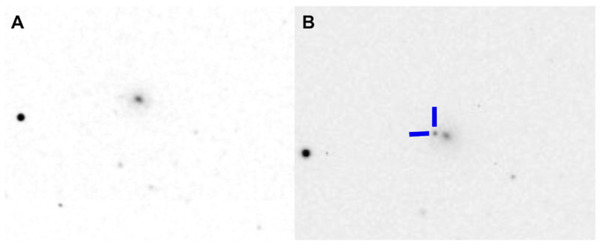
Supernovas are powerful explosions that result from gravitational collapse of a massive star. Using photometric analysis Arora et al. set out to investigate whether 2020pni (located in galaxy UGC 9684) was a supernova. They were ultimately able to identify 2020pni as a Type II-L supernova and determine it's distance from earth.

Read More...

A Novel Alzheimer's Disease Therapeutic Model: Attenuating Hyperphosphorylated Tau and Amyloid β (Aβ) Aggregates by Characterizing Antioxidative, Anti-Inflammatory, and Neuroprotective Properties of Natural Extracts

Pokkunuri et al. | Jul 25, 2022

A Novel Alzheimer's Disease Therapeutic Model: Attenuating Hyperphosphorylated Tau and Amyloid β (Aβ) Aggregates by Characterizing Antioxidative, Anti-Inflammatory, and Neuroprotective Properties of Natural Extracts

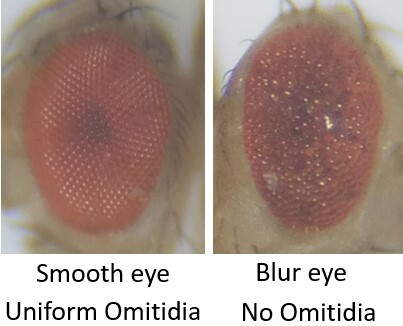
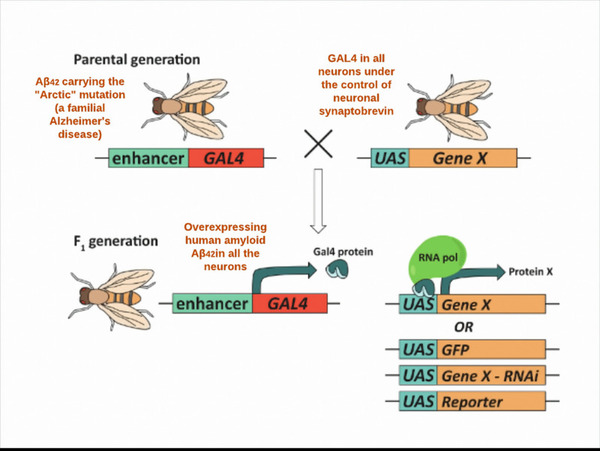
Oxidative damage and neuro-inflammation were the key pathways implicated in the pathogenesis of Alzheimer’s disease. In this study, 30 natural extracts from plant roots and leaves with extensive anti-inflammatory and anti-oxidative properties were consumed by Drosophila melanogaster. Several assays were performed to evaluate the efficacy of these combinational extracts on delaying the progression of Alzheimer’s disease. The experimental group showed increased motor activity, improved associative memory, and decreased lifespan decline relative to the control group.

Read More...

Molecular Alterations in a High-Fat Mouse Model Before the Onset of Diet–Induced Nonalcoholic Fatty Liver Disease

Lee et al. | Sep 20, 2016

Molecular Alterations in a High-Fat Mouse Model Before the Onset of Diet–Induced Nonalcoholic Fatty Liver Disease

Nonalcoholic fatty liver disease (NAFLD) is one of the most prevalent chronic liver diseases worldwide, but there are few studied warning signs for early detection of the disease. Here, researchers study alterations that occur in a mouse model of NAFLD, which indicate the onset of NAFLD sooner. Earlier detection of diseases can lead to better prevention and treatment.

Read More...

Autologous transplantation of fresh ovarian tissue in the ICR mice model

Wang et al. | Oct 24, 2022

Autologous transplantation of fresh ovarian tissue in the ICR mice model

In this study, we performed orthotopic auto-transplantation of fresh ovarian tissues by transplanting unilateral half ovarian tissue to the contralateral ovary in the ICR (Institute of Cancer Research) strain of outbred, heterogeneous mice to determine if the transplanted tissue could be functional. We found that the freshly transplanted mouse ovarian tissue survived and functional, as histochemical and immunofluorescence assays have shown that not only both follicles at different developing stages and corpus luteum are available, but the morphology of them are properly maintained within the transplanted tissue.

Read More...

Evaluating Biomarkers and Treatments for Acute Kidney Injury in a Zebrafish Model

Mathew et al. | Aug 11, 2019

Evaluating Biomarkers and Treatments for Acute Kidney Injury in a Zebrafish Model

Coronary Artery Disease (CAD) is the leading cause of death in the United States, and 81% of Acute Kidney Injury (AKI) patients in the renal fibrosis stage later develop CAD. In this study, Mathew and Joykutty aimed to create a cost-effective strategy to treat AKI and thus prevent CAD using a model of the zebrafish, Danio rerio. They first tested whether AKI is induced in Danio rerio upon exposure to environmental toxins, then evaluated nitrotyrosine as an early biomarker for toxin-induced AKI. Finally, they evaluated 4 treatments of renal fibrosis, the last stage of AKI, and found that the compound SB431542 was the most effective treatment (reduced fibrosis by 99.97%). Their approach to treating AKI patients, and potentially prevent CAD, is economically feasible for translation into the clinic in both developing and developed countries.

Read More...