Browse Articles

Investigating the effects of PVC microplastics on the growth of Chlorella vulgaris

Beaubien et al. | Oct 13, 2026

Investigating the effects of PVC microplastics on the growth of <i>Chlorella vulgaris</i>

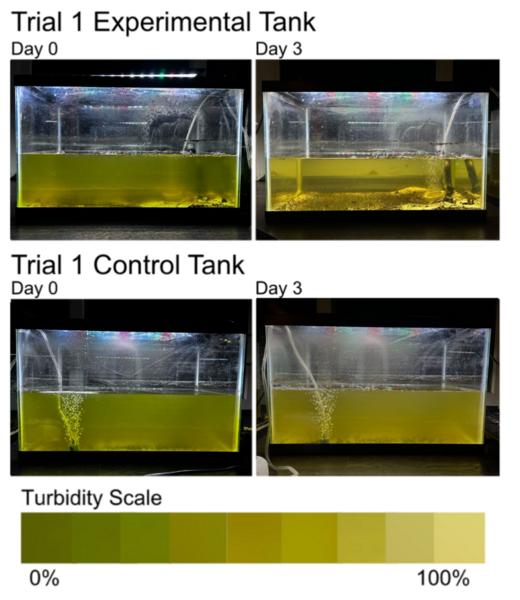
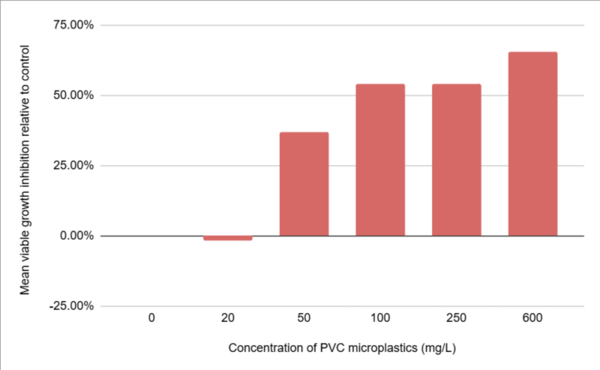
This study examined the effect of varying PVC microplastic concentrations on the growth of Chlorella vulgaris in freshwater, utilizing six PVC levels and identical culture conditions. Cell counts revealed that higher PVC concentrations consistently reduced algal growth, and a Spearman correlation test detected a significant negative monotonic association between PVC concentration and viable cell density. These results support the hypothesis that PVC microplastics impair algal growth, underscoring their ecological risk in freshwater environments.

Read More...
Using machine learning to detect outliers of red clump stars

Meng et al. | Oct 10, 2026

Using machine learning to detect outliers of red clump stars

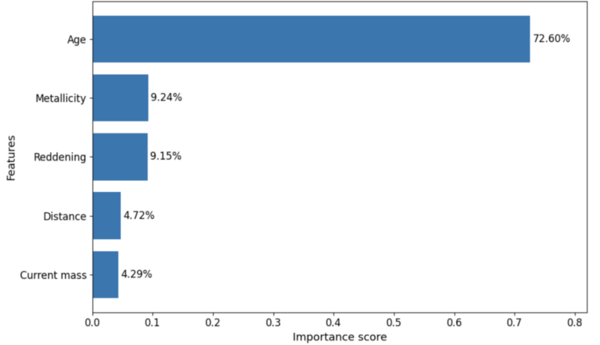
Machine learning offers a powerful way to analyze large astronomical datasets and identify stars with unusual properties. In this study, students used Extreme Gradient Boosting and Isolation Forest models to investigate why some red clump stars deviate from their expected luminosities. Their results show that stellar age plays a much stronger role than metallicity in driving luminosity variation, and the models successfully detected outlier stars that may affect distance measurements in galactic studies.

Read More...

Multi-omic analysis identifies mitochondrial dysfunction as a key feature of hypertrophic cardiomyopathy

Velu et al. | Sep 26, 2026

Multi-omic analysis identifies mitochondrial dysfunction as a key feature of hypertrophic cardiomyopathy

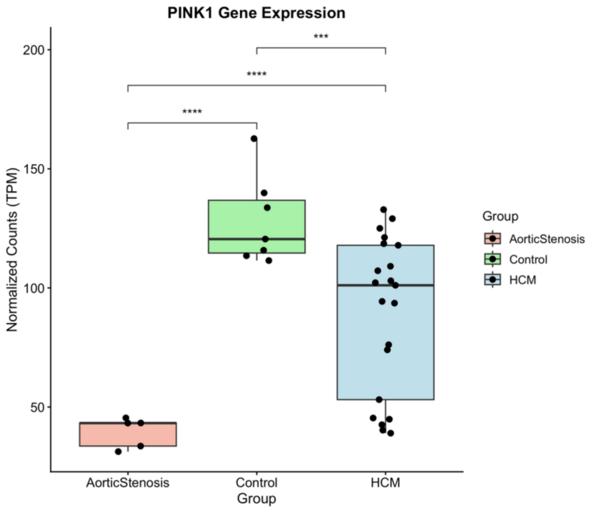
This study used multi-omic analysis to investigate gene expression and DNA methylation patterns associated with hypertrophic cardiomyopathy (HCM). The researchers found significant downregulation of mitochondrial and energy-related pathways, highlighting mitochondrial dysfunction—particularly altered PINK1 expression—as a potential contributor and therapeutic target in HCM.

Read More...

In vitro effects of cosmetic products on the growth of skin-resident bacteria

Relia et al. | Sep 20, 2026

<i>In vitro</i> effects of cosmetic products on the growth of skin-resident bacteria

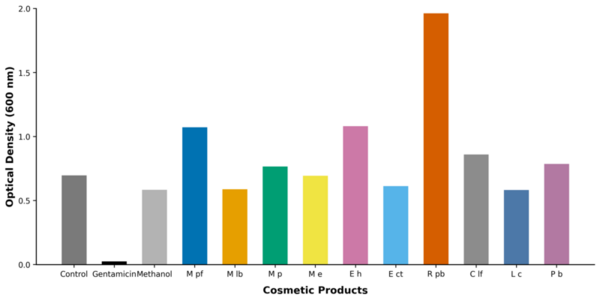
This study investigated how 18 commonly used cosmetic products affect the growth of two skin-resident bacteria, Staphylococcus epidermidis and Micrococcus luteus. At higher concentrations, half of the tested products inhibited at least one bacterial species, suggesting that some cosmetics may disrupt the skin microbiome and its natural balance.

Read More...

Investigating the effects of glucose reintroduction on acutely starved HeLa cells

Puduru et al. | Jul 05, 2026

Investigating the effects of glucose reintroduction on acutely starved HeLa cells

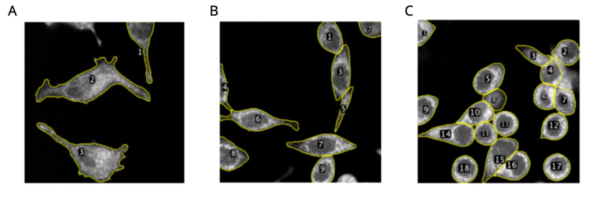
Cancer cells rely heavily on glycolysis, but how they respond when glucose is reintroduced after acute starvation is not well understood. Using fluorescence lifetime imaging microscopy, students tracked metabolic changes in HeLa cells and found a rapid shift toward glycolysis within 20 minutes of glucose reintroduction, followed by heterogeneous recovery toward oxidative phosphorylation. These results highlight metabolic flexibility and variability in cancer cells, offering insights relevant to treatment resistance and therapeutic design.

Read More...

Mitigating skin color bias in dermatology AI using CycleGAN-based data augmentation

Kannan et al. | Jun 24, 2026

Mitigating skin color bias in dermatology AI using CycleGAN-based data augmentation
Image credit: Kannan and Ramasamy

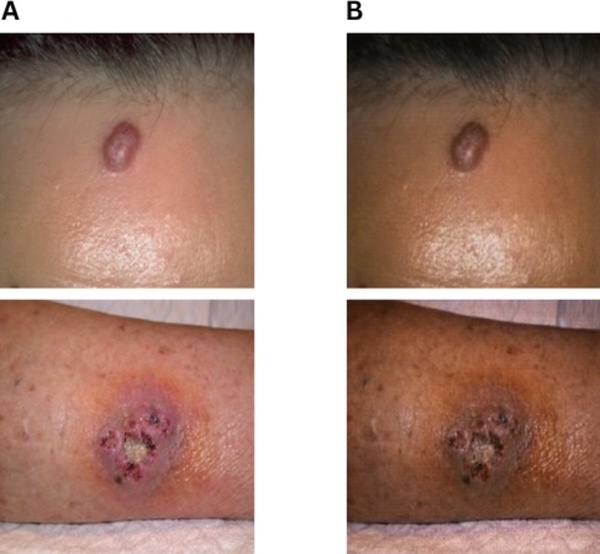
This study investigates skin tone bias in artificial intelligence models used for dermatological disease classification and evaluates a CycleGAN-based data augmentation approach to improve diagnostic performance on darker skin types. We generated synthetic dark-skinned images to enhance dataset diversity and compared model performance before and after augmentation. The results demonstrate that augmentation with synthetic dermatological images can help reduce disparities in diagnostic performance across skin tones, highlighting a practical strategy for improving fairness in dermatology AI systems.

Read More...

Mining social media posts: An alternative approach to understanding home health care workers’ experiences

Tang et al. | Jun 15, 2026

Mining social media posts: An alternative approach to understanding home health care workers’ experiences
Image credit: Markus Winkler

This study developed an effective method for extracting valuable information from social media data and employed computer-assisted human coding alongside the AI-powered tool to analyze social media posts. The findings provide a deep understanding of the major challenges that home health care workers are experiencing and offer important implications regarding how to improve home healthcare workers' well-being, and provide suggestions on optimizing the home health care service experience.

Read More...