
The authors describe the design and testing of new guide RNAs targeting the DMPK gene, which is responsible for myotonic dystrophy.
Read More...Designing gRNAs to reduce the expression of the DMPK gene in patients with classic myotonic dystrophy
The authors describe the design and testing of new guide RNAs targeting the DMPK gene, which is responsible for myotonic dystrophy.
Read More...Rover engineered to evaluate impacts of microclimatic parameters on pediatric asthma in Dallas schools
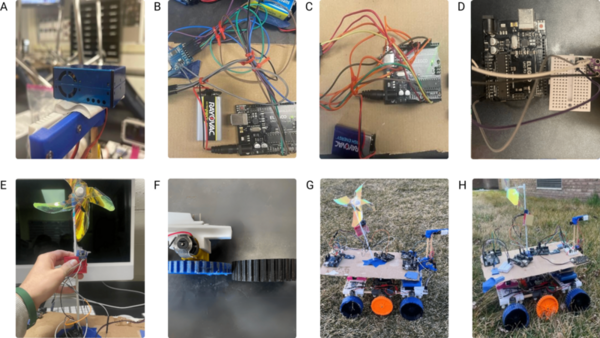
Pediatric asthma remains a significant health issue for Dallas students. This study examined the relationship between microclimatic parameters, vegetation, and pediatric asthma vulnerability (PAV) in urban schools.
Read More...Using broad health-related survey questions to predict the presence of coronary heart disease
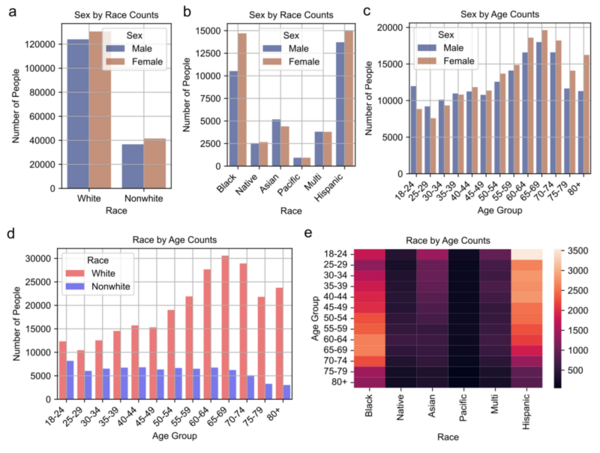
Coronary heart disease (CHD) is the leading cause of death in the U.S., responsible for nearly 700,000 deaths in 2021, and is marked by artery clogging that can lead to heart attacks. Traditional prediction methods require expensive clinical tests, but a new study explores using machine learning on demographic, clinical, and behavioral survey data to predict CHD.
Read More...An accessible experiment to assess the impact of shapes of buildings and roofs on wind resistance
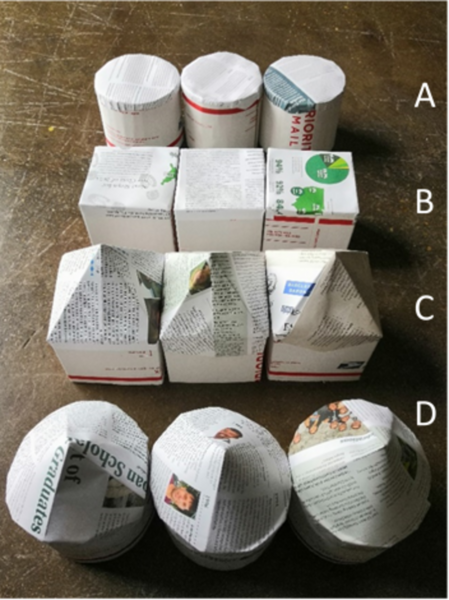
In this study, the authors determine which house model is most resistant to high winds by building smaller prototypes that could be tested with a handheld source of wind.
Read More...An in silico molecular analysis of the antifungal properties of Ageratum conyzoides

This study explores the interaction between precocene II and trichocethecene 3-O-acetyltransferase using molecular docking simulations. Computational analysis identified several potential binding sites on the enzyme surface and predicted favorable ligand-protein interactions involving key residues. These findings provide insight into how precocene II may interact with this enzyme and demonstrate the use of computational approaches to explore potential antifungal mechanisms.
Read More...Does technology help or hurt learning? Evidence from middle school and high school students

Here, recognizing the vastly different opinion held regarding device usage, the authors considered the effects of technology use on middle and high school students' learning effectiveness. Using an anonymous online survey they found partial support that device use at school increases learning effectiveness, but found strong support for a negative effect of technology use at home on learning effectiveness. Based on their findings they suggest that the efficacy of technology depends on environmental context along with other important factors that need consideration.
Read More...Protein concentrations in cows’ milk during the four stages of lactation

In this article, the authors quantify fluctuations of primary proteins found within bovine milk across four stages of lactation. Critically, these findings bear great relevance to the nutritional support of calves as well as the varying severity of symptoms of lactose intolerance.
Read More...Trajectories Between Cigarette Smoking and Electronic Nicotine Delivery System Use Among Adults in the U.S.

In this study, the authors characterized the trends of cigarette use amongst people who do and don't use electronic nicotine delivery systems (or ENDS). This was done to help determine if the use of ENDS is aiding in helping smokers quit, as the data on this has been controversial. They found that use of ENDS among people either with or without previous cigarette usage were more likely to continue using cigarettes in the future. This is important information contributing to our understanding of ways to effectively (and not effectively) reduce cigarette use.
Read More...Combined Progestin-Estrogenic Contraceptive Pills May Promote Growth in Crop-Plants
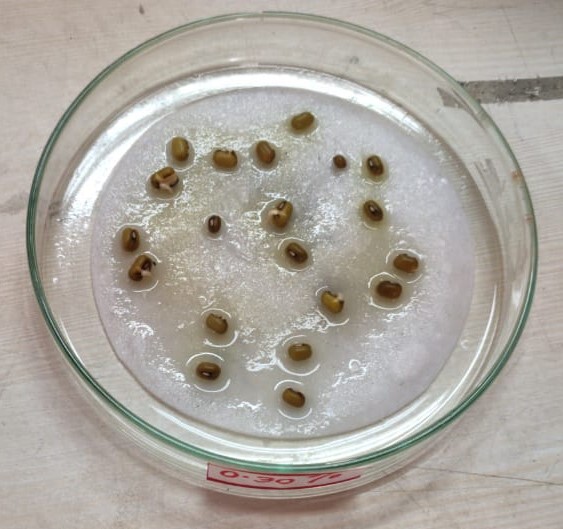
Ethinyl estradiol and progestin norgestrel are commonly present in contraceptive tablets and it is unknown how they affect the environment. In this study, the authors investigate the role that ethinyl estradiol and progestin norgestrel have on the growth of flowering plants. The percentage germination, embryonic and adventitious tissue proliferation, root length, and shoot length were measured in V. radiata and T. aestivum treated with each compound and results demonstrate that ethinyl estradiol and progestin norgestrel can induce growth in both plants at certain concentrations. These findings have important implications as societal use of chemicals increases and more make their way into the environment.
Read More...Longer Exposure to 2% India Ink Increases Average Number of Vacuoles in Tetrahymena pyriformis
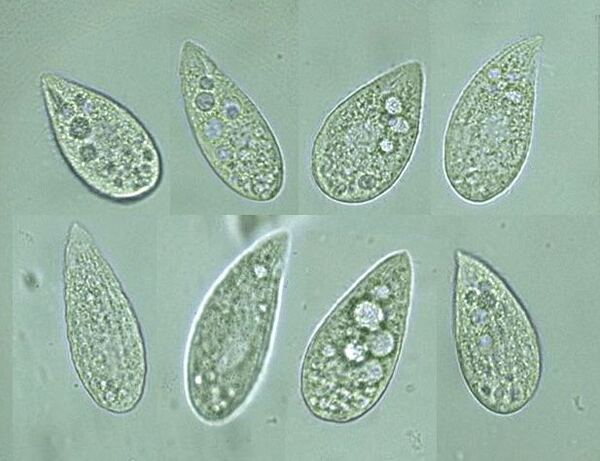
Phagocytes feed by forming food vacuoles. In this article the authors investigate the extent that exposure of non-nutritional food, such as India Ink, to Tetrahymena pyriformis affects the number of vacuole formation. These studies provide insight to how organisms budget their energy and metabolic processes during an energy shortage.
Read More...