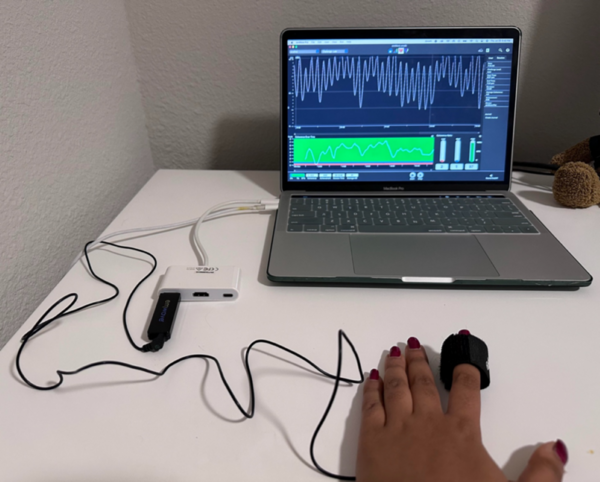
The authors test electrocardiography biofeedback as a treatment for individuals with Postural Orthostatic Tachycardia Syndrome.
Read More...Investigating the impact of electrocardiography biofeedback on POTS symptom management
The authors test electrocardiography biofeedback as a treatment for individuals with Postural Orthostatic Tachycardia Syndrome.
Read More...The influence of remote learning on sleep patterns of teenagers

In this study, the authors investigate the effect of remote learning (due to the COVID-19 pandemic) on sleeping habits amongst teenagers in Ohio. Using survey results, sleep habits and attitudes toward school were assessed before and after the COVID-19 pandemic.
Read More...Analyzing resilience in a sample population as a novel qualifier for triage in psychological first aid

While serving as an immediate address for psychological safety and stability, psychological first aid (PFA) currently lacks the incorporation of triage. Without triage, patients cannot be prioritized in correspondence to condition severity that is often called for within emergency conditions. To disentangle the relevance of a potential triage system to PFA, the authors of this paper have developed a method to quantify resilience - a prominent predictor of the capability to recover from a disaster. With this resilience index, they have quantified resilience of differing age, race, and sex demographics to better inform the practice of PFA and potential demographic prioritization via a triage system.
Read More...Determining the Effects of Voice Pitch on Adolescent Perception, Subconscious Bias, and Marketing Success Using Electroencephalography

Voice pitch affects perceived authoritativeness, competency, and leadership capacity. In this study, the authors suggest that examining certain measures of brain activity collected using an affordable EEG could predict advertising effectiveness, which may be invaluable in future neuromarketing research. Understanding voice pitch and other factors that cause implicit bias may allow significant advances in marketing, facilitating business success.
Read More...The effects of social media on STEM identity in adolescent girls
Social media is widely used and easily accessible for adolescents, it has the potential to increase STEM (Science, Technology, Engineering, and Math) identity in girls. We aimed to investigate the effects of exposure to counter-stereotypical portrayals of women in STEM on social media on the STEM identity of adolescent girls. The study concluded that social media alone may not be an effective tool to increase STEM identity in girls. Social media can still be used as a complementary tool to support and encourage women in STEM, but it should not be relied upon solely to address the gender disparity in STEM fields.
Read More...Reimagize – a digital card-based roleplaying game to improve adolescent girls’ body image
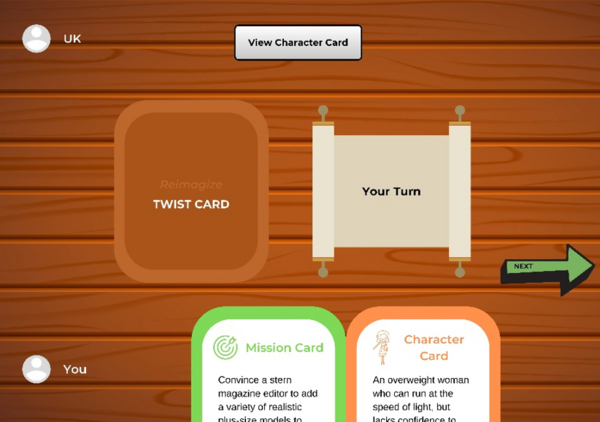
Reimagize, a role-playing with decision-making, was conjured, implementing social psychological concepts like counter-stereotyping and perspective-taking. As the game works implicitly to influence body image, it even counters image issues beyond personal body dissatisfaction. This study explored whether a digital role-playing card game, incorporating some of the most common prejudices of body image (like size prejudice, prejudices from the media, etc.) as identified by a digital survey/questionnaire completed by Indian girls aged 11-21, could counter these issues and reduce personal body dissatisfaction.
Read More...Measuring effects of caffeine and melatonin on learning trends of Zebrafish juveniles
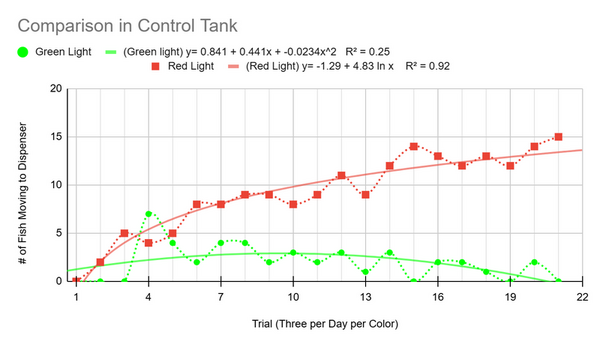
This study investigates how caffeine and melatonin affect learning in adolescent zebrafish, serving as a model for human teens. Using an automated system to track behavior, we found that melatonin slowed learning while caffeine caused erratic, inconsistent responses, suggesting both substances can negatively impact adolescent learning patterns. These findings highlight the need for further research into their physiological effects and potential implications for human adolescents.
Read More...Exploring Political Discourse Among High School Journalists with Web Scraping and AI Technology

Here the authors provided greater coverage of adolescent stances by investigating the political perspectives and trends of high school journalists, utilizing web scraping methods and artificial intelligence (ChatGPT-4o) to analyze over 153,000 articles. They found that high school publications exhibit lower levels of political polarization compared to mainstream media and that journalists' views, while tending to lean moderately liberal, showed no significant correlation with local voting patterns.
Read More...Extroverts as Materialists: Correlating Personality Traits, Materialism, and Spending Behavior
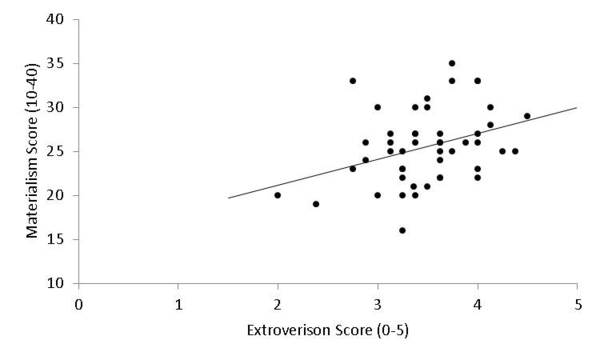
The authors investigated the relationship between personality traits and adolescent materialism, as well as how materialism relates to spending habits. Results indicate that extroversion was positively correlated with materialism, and that adolescents' purchases were affected by the purchasing behaviors of their friends or peers. Moreover, materialistic youth were more likely than non-materialistic youth to spend money on themselves when given a hypothetical windfall of $500.
Read More...Gender differences in social media, sleep, and cognition in U.S. teens
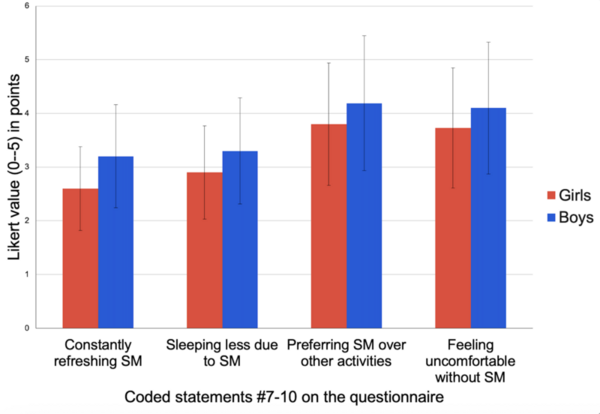
The authors survey teenagers within the United States regarding the effect of social media use on sleep quality and attention span.
Read More...