Browse Articles

Ant Colony Optimization Algorithms with Multiple Simulated Colonies Offer Potential Advantages for Solving the Traveling Salesman Problem and, by Extension, Other Optimization Problems

Wildenhain et al. | May 22, 2015

Ant Colony Optimization Algorithms with Multiple Simulated Colonies Offer Potential Advantages for Solving the Traveling Salesman Problem and, by Extension, Other Optimization Problems

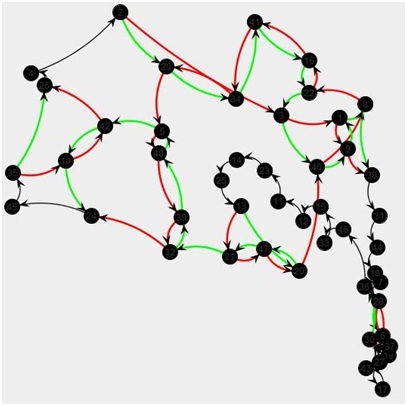
Ant colony optimization algorithms simulate ants moving from point to point on a graph and coordinate their actions, similar to ants laying down pheromones to strengthen a path as it is used more frequently. These ACO algorithms can be applied to the classic traveling salesman problem, which aims to determine the lowest-cost path through a given set of points on a graph. In this study, a novel multiple-colony system was developed that uses multiple simulated ant colonies to generate improved solutions to the traveling salesman problem.

Read More...

Feature extraction from peak detection algorithms for enhanced EMG-based hand gesture recognition models

Nathan et al. | Jan 10, 2026

Feature extraction from peak detection algorithms for enhanced EMG-based hand gesture recognition models
Image credit: Nathan and Raju

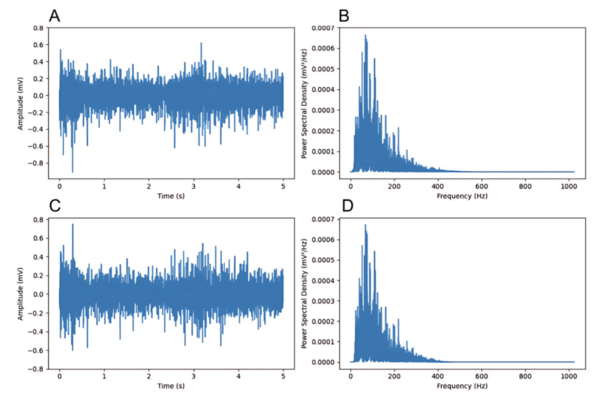
This manuscript evaluates peak detection algorithms for feature extraction in EMG-based hand gesture recognition using a random forest classifier. The study demonstrates that wavelet-based peak detection features achieve the highest classification accuracy (96.5%), outperforming other methods. The results highlight the potential of peak features to improve EMG-based prosthetic control systems.

Read More...

Optimizing Interplanetary Travel Using a Genetic Algorithm

Murali et al. | Oct 28, 2018

Optimizing Interplanetary Travel Using a Genetic Algorithm

In this work, the authors develop an algorithm that solves the problem of efficient space travel between planets. This is a problem that could soon be of relevance as mankind continues to expand its exploration of outer space, and potentially attempt to inhabit it.

Read More...

DyGS: A Dynamic Gene Searching Algorithm for Cancer Detection

Wang et al. | Jun 05, 2018

DyGS: A Dynamic Gene Searching Algorithm for Cancer Detection

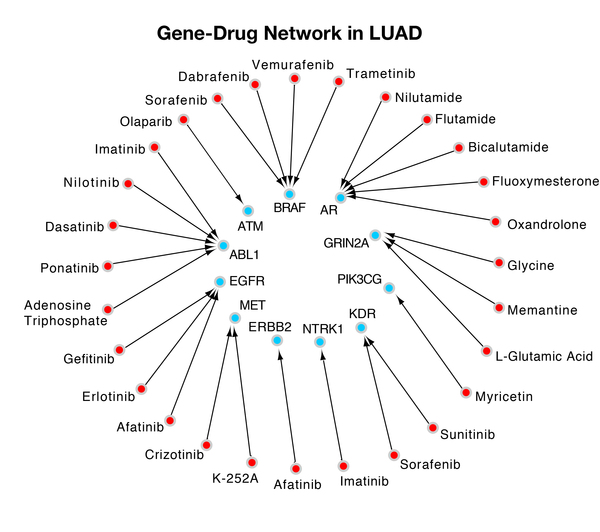
Wang and Gong developed a novel dynamic gene-searching algorithm called Dynamic Gene Search (DyGS) to create a gene panel for each of the 12 cancers with the highest annual incidence and death rate. The 12 gene panels the DyGS algorithm selected used only 3.5% of the original gene mutation pool, while covering every patient sample. About 40% of each gene panel is druggable, which indicates that the DyGS-generated gene panels can be used for early cancer detection as well as therapeutic targets in treatment methods.

Read More...

A Quantitative Assessment of Time, Frequency, and Time-frequency Algorithms for Automated Seizure Detection and Monitoring

Vangal et al. | Sep 28, 2020

A Quantitative Assessment of Time, Frequency, and Time-frequency Algorithms for Automated Seizure Detection and Monitoring

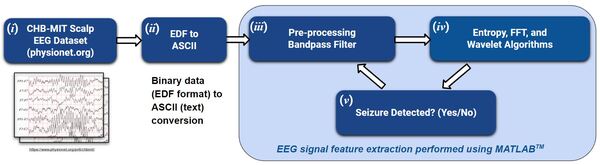
Each year, over 100,000 patients die from Sudden Unexpected Death in Epilepsy (SUDEP). A reliable seizure warning system can help patients stay safe. This work presents a comprehensive, comparative analysis of three different signal processing algorithms for automated seizure/ictal detection. The experimental results show that the proposed methods can be effective for accurate automated seizure detection and monitoring in clinical care.

Read More...

Using data science along with machine learning to determine the ARIMA model’s ability to adjust to irregularities in the dataset

Choudhary et al. | Jul 26, 2021

Using data science along with machine learning to determine the ARIMA model’s ability to adjust to irregularities in the dataset

Auto-Regressive Integrated Moving Average (ARIMA) models are known for their influence and application on time series data. This statistical analysis model uses time series data to depict future trends or values: a key contributor to crime mapping algorithms. However, the models may not function to their true potential when analyzing data with many different patterns. In order to determine the potential of ARIMA models, our research will test the model on irregularities in the data. Our team hypothesizes that the ARIMA model will be able to adapt to the different irregularities in the data that do not correspond to a certain trend or pattern. Using crime theft data and an ARIMA model, we determined the results of the ARIMA model’s forecast and how the accuracy differed on different days with irregularities in crime.

Read More...