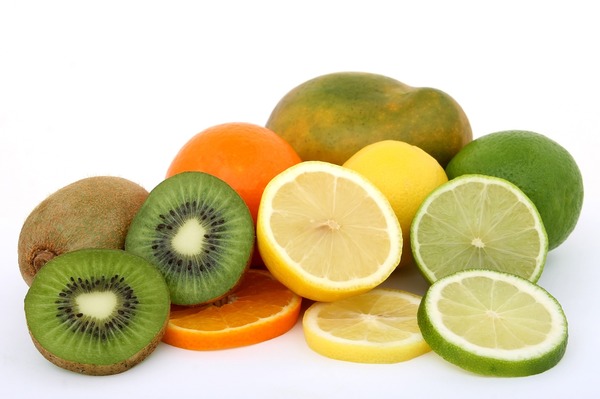
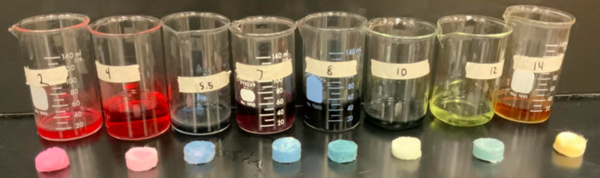
Unsatisfactory hand hygiene leads to the spread of bacterial infections from person to person. To address this problem, the authors developed and tested the PeelTowel, an antibacterial and water-absorbing towel made of a combination of fruit peels and recycled paper waste.
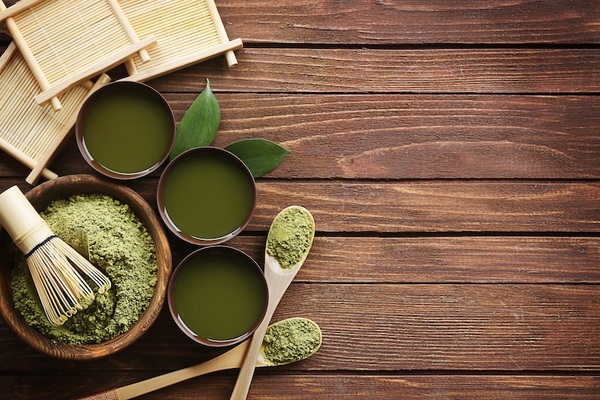
Plant pathogens can cause significant crop loss each year, but controlling them with bactericides or antibiotics can be costly and may be harmful to the environment. Green tea naturally contains polyphenols, which have been shown to have some antimicrobial properties. In this study, the authors show that green tea extract can inhibit growth of the plant pathogen Pseudomonas syringae pv. tomato and may be useful as an alternative bactericide for crops.
Recognizing a growing demand for organic produce, the authors sought to investigate plant-based antibiotic solutions to meet growing consumer demand for safe produce and also meet microbial standards of the USDA. The authors investigated the use of cinnamaldehyde as an antibacterial again E. coli, finding that lettuce treated with cinnamaldehyde displayed significantly lower colony-forming units of E. coli when compared to lettuce treated with chlorine bleach.
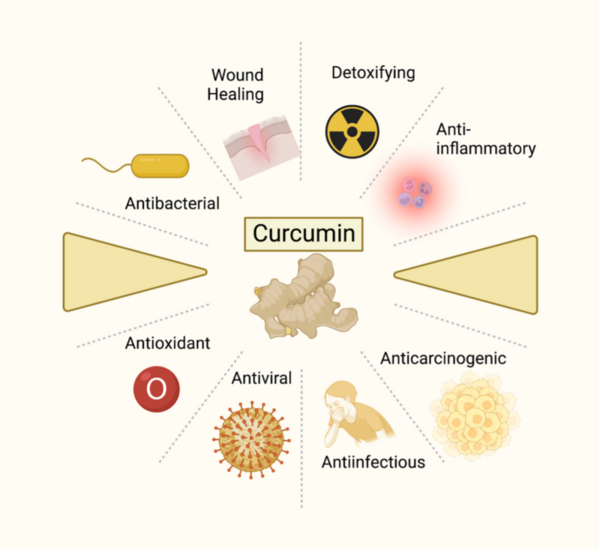
Some spices have antimicrobial or antibacterial properties that people have already tested. Turmeric has a wide variety of uses and has even been implemented in alternative medicine as a treatment for cancer, inflammation, osteoarthritis, and other diseases. We tested the antimicrobial effects of turmeric under two different pHs to characterize this effect in vitro. Decreasing the pH of a solution of turmeric may increase antibacterial properties.
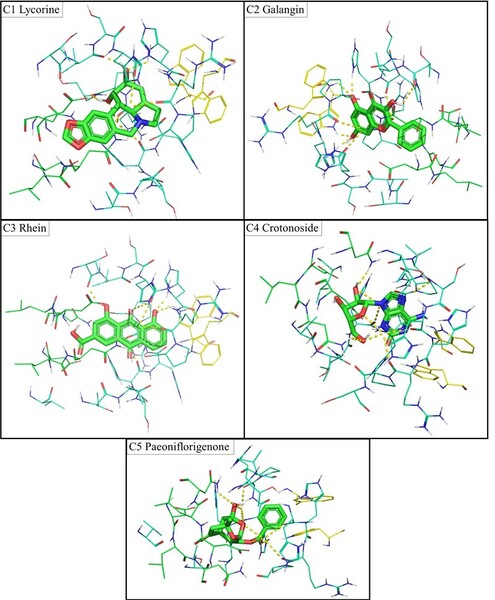
A common form of Acne is caused by a species of bacterium called Cutibacterium acnes. By using a predictive algorithm and structural analysis, the authors identified 5 small molecules with high affinity to growth factors in Catibacterium acnes. This has potential implications for supplemental skincare products.
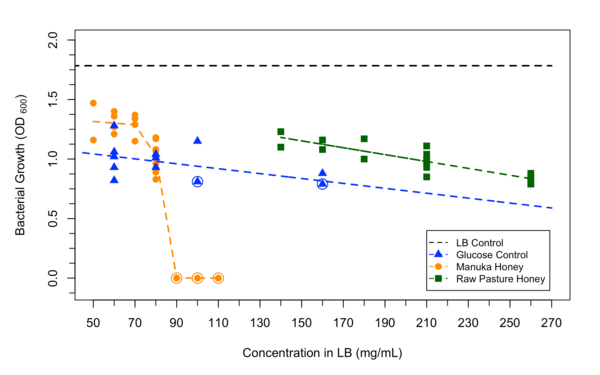
Honey possesses distinctive antimicrobial properties; however, it is unknown which compounds in honey are responsible for these properties. In this research study, Abdel-Azim et al. examine the role of osmotic stress in honey and the antibacterial efficacy of both Manuka and raw pasture honey.
Image credit: Daehan Yi, Boughaleb Hassani and Ribeiro
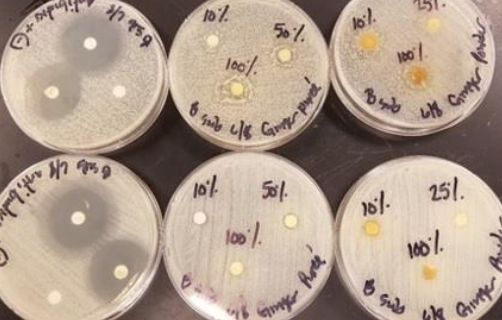
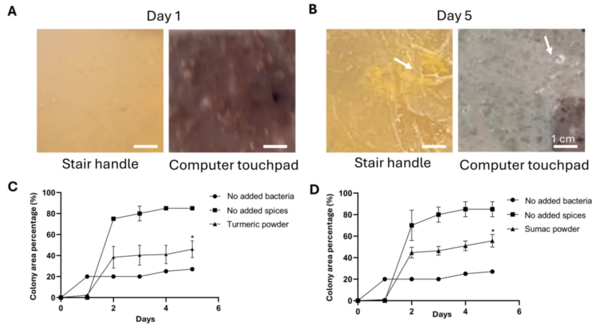
The study investigates the antibacterial properties of household spices on bacteria isolated from everyday objects, aiming to address the limited understanding of bacterial resilience on surfaces and the potential of spices as antibacterial agents. Researchers hypothesized that bacteria would grow faster on some surfaces than others and that spices like honey, chili powder, turmeric, and sumac would inhibit bacterial growth at varying rates. The findings suggest that household spices possess significant antibacterial properties and could be used as emergency disinfectants, particularly in under-resourced settings. However, they cannot replace medical treatments but offer insights into alternative health solutions using common ingredients.
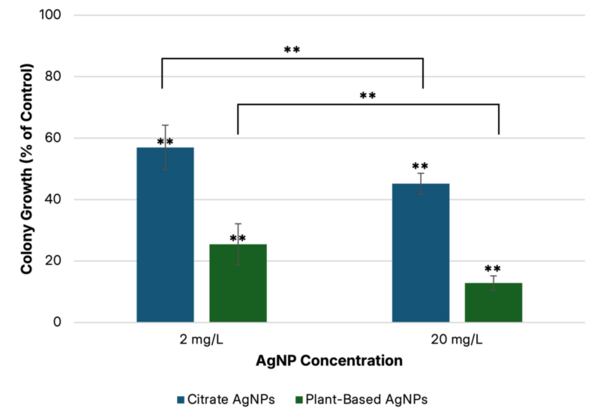
This paper looks at the antibacterial and toxic effects of silver nanoparticles (AgNPs) on Escherichia coli bacteria and Drosophila melanogaster fruit flies. They modified the AgNPs size, concentration, and surface coating to determine the effects on each of the organisms. For both organisms, increased AgNP concentration demonstrated increased toxicity but particle size and surface coating had opposing effects.
The purpose of this investigation is to develop a hydrogel to aid skin regeneration by creating an extracellular matrix for fibroblast growth with antibacterial and infection-detection properties. Authors developed two natural hydrogels based on pectin and potato peels and characterized the gels for fibroblast compatibility through rheology, scanning electron microscopy, swelling, degradation, and cell cytotoxicity assays. Overall, this experiment fabricated various hydrogels capable of acting as skin substitutes and counteracting infections to facilitate wound healing. Following further testing and validation, these hydrogels could help alleviate the 13-billion-dollar financial burden of foot ulcer treatment.