Browse Articles

The Effect of Common Cations on DNA Degradation

Larina et al. | Nov 06, 2016

The Effect of Common Cations on DNA Degradation

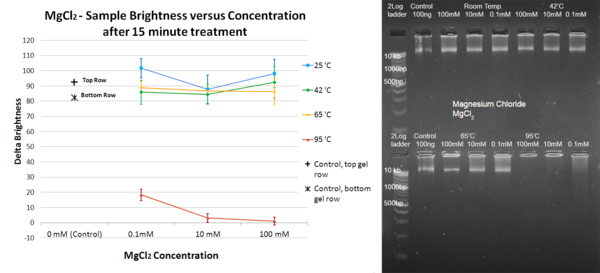
Heating of DNA-containing solutions is a part of many experiment protocols, but it can also cause damage and degradation of the DNA molecules, potentially leading to error in the experimental results. The authors of this paper investigate whether the presence of certain cations during heating can stabilize the DNA polymer and aid the preservation of the molecule.

Read More...

The effect of molecular weights of chitosan on the synthesis and antifungal effect of copper chitosan

Byakod et al. | Apr 07, 2024

The effect of molecular weights of chitosan on the synthesis and antifungal effect of copper chitosan

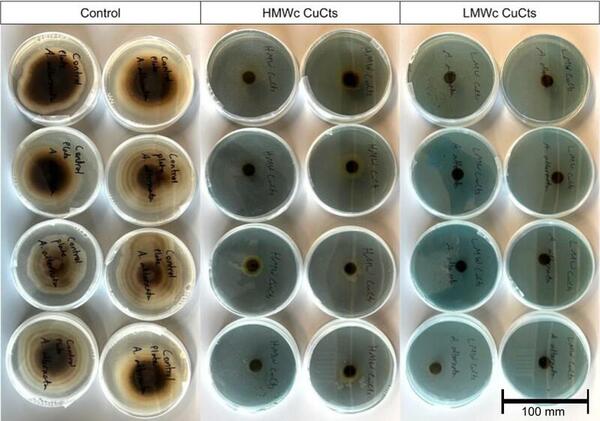
Pathogenic fungi such as Alternaria alternata (A. alternata) can decimate crop yields and severely limit food supplies when left untreated. Copper chitosan (CuCts) is a promising alternative fungicide for developing agricultural areas due to being inexpensive and nontoxic. We hypothesized that LMWc CuCts would exhibit greater fungal inhibition due to the beneficial properties of LMWc.

Read More...

Determining the Habitable Zone Around a Star

Lee et al. | May 29, 2013

Determining the Habitable Zone Around a Star

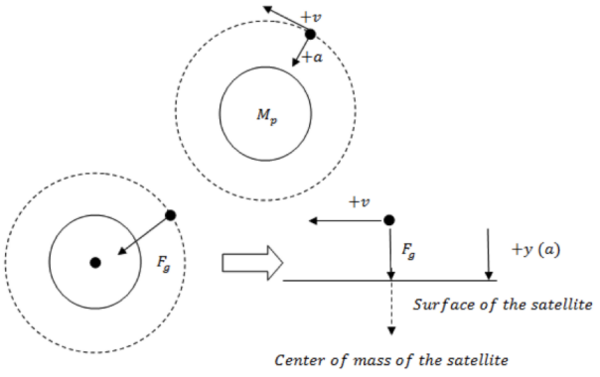
Life requires many things, including a hospitable temperature, elements, and energy. Here the authors utilize Newton's laws of physics and information relating a star's luminosity and temperature to determine the minimum and maximum masses and luminosities of planets and stars that would support life as we know it. This work can be used to determine the likelihood of a planet being able to support life based on attributes we can measure from here on Earth.

Read More...

The Effects of Micro-Algae Characteristics on the Bioremediation Rate of Deepwater Horizon Crude Oil

Cao et al. | Jun 17, 2013

The Effects of Micro-Algae Characteristics on the Bioremediation Rate of Deepwater Horizon Crude Oil

Environmental disasters such as the Deepwater Horizon oil spill can be devastating to ecosystems for long periods of time. Safer, cheaper, and more effective methods of oil clean-up are needed to clean up oil spills in the future. Here, the authors investigate the ability of natural ocean algae to process crude oil into less toxic chemicals. They identify Coccochloris elabens as a particularly promising algae for future bioremediation efforts.

Read More...

Decolorization of textile dyes by edible white rot fungi

Lin et al. | Apr 29, 2022

Decolorization of textile dyes by edible white rot fungi

As fast fashion explodes in popularity, the fashion industry remains one of the most prominent industries responsible for pollution. This pollution includes a lack of treatment for textile dyes that remain toxic or carcinogenic as they persist in wastewater. To resolve this, the authors of this study set out to determine the efficacy of using edible white rot fungi for cell-based biodegradation of textile dyes into harmless chemicals. This method takes advantage of fungi found in excess from the fungi industry, decreasing food waste while addressing textile waste in tandem.

Read More...

The Bioactive Ingredients in Niuli Lactucis Agrestibus Possess Anticancer Effects

Zhu et al. | Sep 17, 2019

The Bioactive Ingredients in Niuli Lactucis Agrestibus Possess Anticancer Effects

In​ the​ field​ of​ medicine,​ natural​ treatments​ are​ becoming ​increasingly ​vital ​towards ​the ​cure ​of ​cancer. Zhu et al. wanted to investigate the effects of lettuce extract on cancer cell survival and proliferation. They used an adenocarcinoma cell line, COLO320DM, to determine whether crude extract from a lettuce species called Niuli​ Lactucis Agrestibus​ would affect cancer cell survival, migration, and proliferation. They found that Niuli extract inhibited cancer cell survival, increased expression of cell cycle inhibitors p21 and p27, and inhibited migration. However, Niuli extract did not have these effects on healthy cells. This work reveals important findings about a potential new source of anti-colorectal cancer compounds.

Read More...
Examination of the underlying chemical physics of the Mpemba effect in water and other liquids

Khan et al. | Apr 20, 2023

Examination of the underlying chemical physics of the Mpemba effect in water and other liquids
Image credit: D koi

Counterintuitive in nature, the Mpemba effect asserts that hot liquid freezes faster than cold liquid. While noted throughout history by scientific minds like Aristotle, the phenomenon remains in contention with varying hypotheses for the effect proposed alongside the effect’s rise in popularity. Contributing to the research efforts surrounding the Mpemba effect, the authors in this article explore the effect in different liquids ranging in physical properties and intermolecular forces to determine potential parameters attributable to producing the Mpemba effect.

Read More...