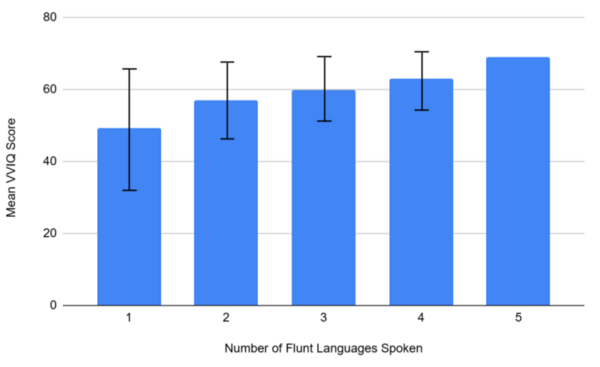
The authors looked at the correlation between being able to speak more than one language (multilingualism) and visual imagery. They found multilingual individuals had higher visual imagery as measured by the VVIQ.
Read More...The relationship between multilingualism and visual imagery: Investigating aphantasia using the VVIQ
The authors looked at the correlation between being able to speak more than one language (multilingualism) and visual imagery. They found multilingual individuals had higher visual imagery as measured by the VVIQ.
Read More...Using economic indicators to create an empirical model of inflation

Here, seeking to understand the correlation of 50 of the most important economic indicators with inflation, the authors used a rolling linear regression to identify indicators with the most significant correlation with the Month over Month Consumer Price Index Seasonally Adjusted (CPI). Ultimately the concluded that the average gasoline price, U.S. import price index, and 5-year market expected inflation had the most significant correlation with the CPI.
Read More...Machine learning for retinopathy prediction: Unveiling the importance of age and HbA1c with XGBoost
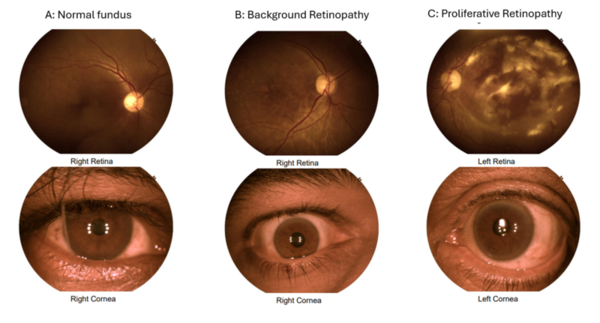
The purpose of our study was to examine the correlation of glycosylated hemoglobin (HbA1c), blood pressure (BP) readings, and lipid levels with retinopathy. Our main hypothesis was that poor glycemic control, as evident by high HbA1c levels, high blood pressure, and abnormal lipid levels, causes an increased risk of retinopathy. We identified the top two features that were most important to the model as age and HbA1c. This indicates that older patients with poor glycemic control are more likely to show presence of retinopathy.
Read More...Assessing Attitude Across Different Age Groups in Regard to Global Issues: Are Kids More Optimistic Than Adults?
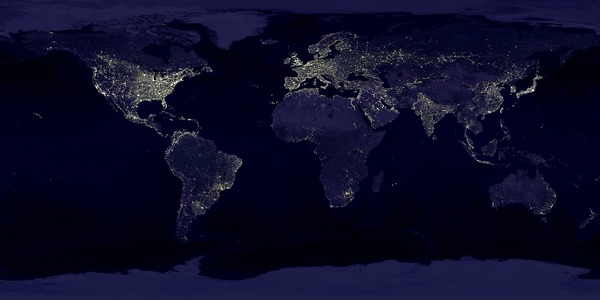
In this article the authors investigate whether there is a correlation between age of a person and their outlook on global issues such as technology, politics, and environment. They find a correlation between increased age and decreased optimism. However regardless of age, they find that respondents believe certain characteristics such as technology and willingness to change are essential for improvements.
Read More...Investigating the effects of PVC microplastics on the growth of Chlorella vulgaris
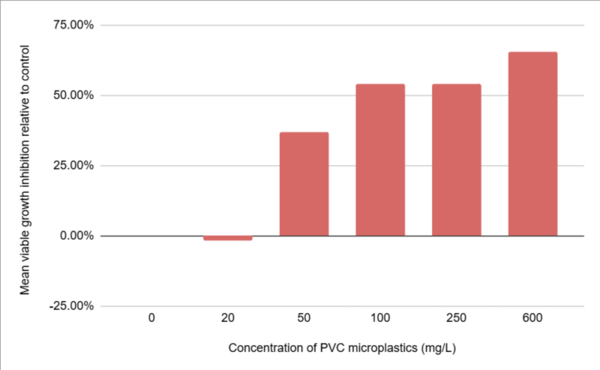
This study examined the effect of varying PVC microplastic concentrations on the growth of Chlorella vulgaris in freshwater, utilizing six PVC levels and identical culture conditions. Cell counts revealed that higher PVC concentrations consistently reduced algal growth, and a Spearman correlation test detected a significant negative monotonic association between PVC concentration and viable cell density. These results support the hypothesis that PVC microplastics impair algal growth, underscoring their ecological risk in freshwater environments.
Read More...Legacy mercury, reservoir dynamics, and dredging effects on methylmercury in San Francisco Bay
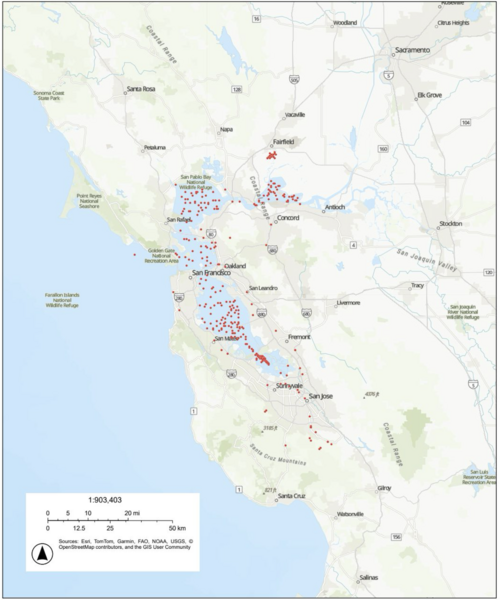
This study analyzes over two decades of monitoring data (1999-2022) to investigate how legacy mining, reservoir water releases, and dredging activities influence toxic methylmercury (MeHg) levels in San Francisco Bay. The findings reveal a significant delayed correlation between river flow and San Francisco Bay MeHg, and counter to the authors' hypothesis, a strong association between increased MeHg concentrations in the bay and both total annual dredging volume and beneficial sediment reuse / upland sediment disposal.
Read More...The sight of disparity: how social determinants shape visual impairment and blindness across the U.S.
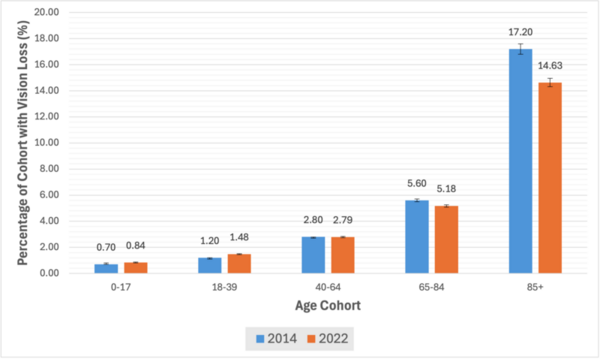
This study examined how social determinants of health (SDH) relate to vision loss by analyzing publicly available data from 18 northern and southern U.S. states and using Bayesian correlation analysis.
Read More...Implication of education levels on gender wage gap across states in the United States and Puerto Rico
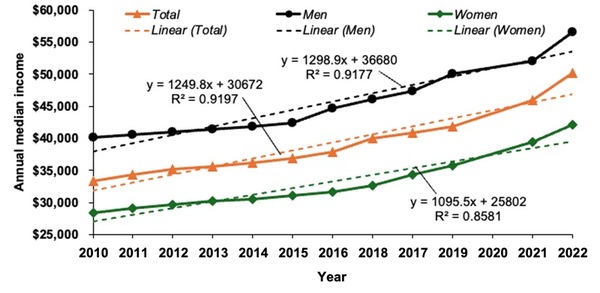
Here the authors examined the relationship between education levels and the gender wage gap (GWG) in the US and Puerto Rico from 2010 to 2022, hypothesizing that higher education would correlate with a lower GWG. Their analysis of income data revealed an inverse correlation, where higher education levels were associated with reduced gender wage disparities, suggesting that policies aimed at closing the gender gap in higher education could promote socioeconomic equality.
Read More...The impact of attending a more selective college on future income
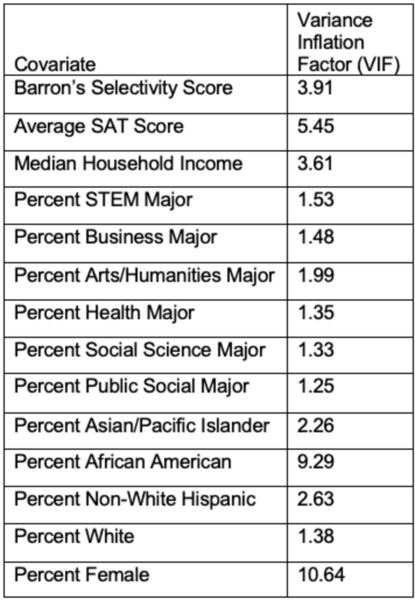
Debates around legacy preferences, recruited athletes, and affirmative action in U.S. college admissions often focus on the belief that graduating from a more selective institution leads to higher future earnings. The study hypothesized a positive correlation between college selectivity and future income due to enhanced resources and opportunities.
Read More...Determining the relationship between unemployment and minimum wage in Turkey
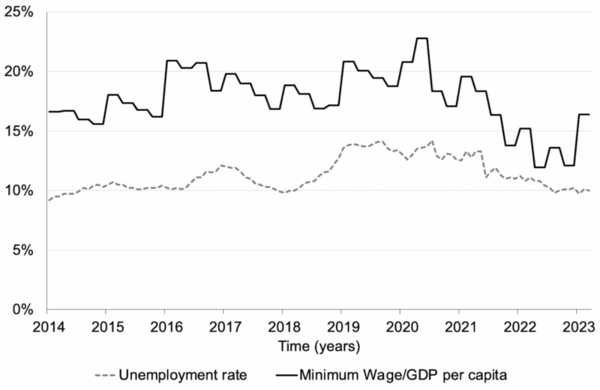
The authors looked at the relationship between unemployment and minimum wage in Turkey (Türkiye). They found that there is a positive correlation between minimum wage and unemployment.
Read More...