Browse Articles

Artificial Intelligence Networks Towards Learning Without Forgetting

Kreiman et al. | Oct 26, 2018

Artificial Intelligence Networks Towards Learning Without Forgetting

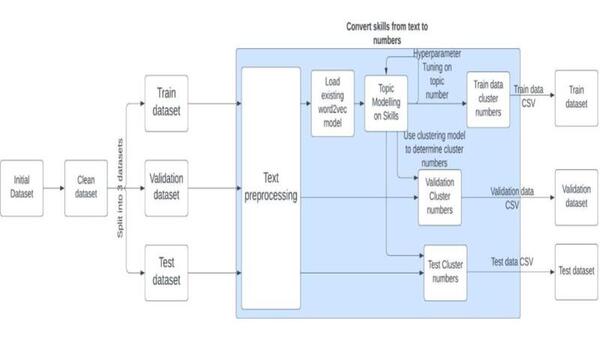
In their paper, Kreiman et al. examined what it takes for an artificial neural network to be able to perform well on a new task without forgetting its previous knowledge. By comparing methods that stop task forgetting, they found that longer training times and maintenance of the most important connections in a particular task while training on a new one helped the neural network maintain its performance on both tasks. The authors hope that this proof-of-principle research will someday contribute to artificial intelligence that better mimics natural human intelligence.

Read More...

The feeling of beauty in music: Relaxing and not confusing

Jain et al. | Sep 07, 2022

The feeling of beauty in music: Relaxing and not confusing

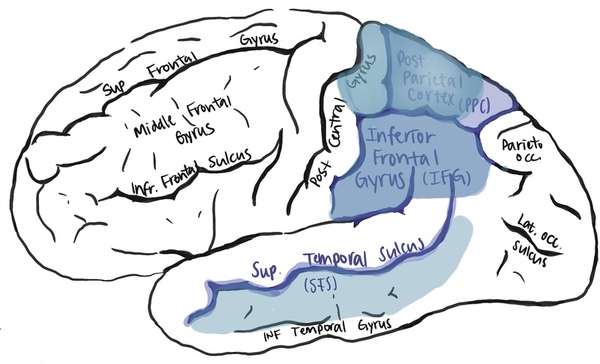
Here, the authors sought to better understand how and why people experience beauty in music. They explored this fundamental aesthetic response by considering numerous emotional responses of participants to diverse musical excerpts using a 42-item Aesthetic Emotions Scale assessment. They found that the highly nuanced emotional experience of beauty in music includes positive, negative, and knowledge-related feelings.

Read More...

Demographic trends of alcohol and marijuana co-use: examining age, gender, and race/ethnicity trends

Ryoo et al. | Jul 05, 2026

Demographic trends of alcohol and marijuana co-use: examining age, gender, and race/ethnicity trends

This study aims to examine the demographic factors that predict patterns of co-use of alcohol and marijuana in the United States. Significant findings were identified using data from the National Survey on Drug Use and Health (2012-2022), showing that there were significant differences in the prevalence of substance use among demographic groups, with young adults showing the highest co-use of alcohol and marijuana.

Read More...

Algorithmic barriers: Investigating student perceptions of AI bias in subjective “culture fit” hiring

Mahatara et al. | May 25, 2026

Algorithmic barriers: Investigating student perceptions of AI bias in subjective “culture fit” hiring
Image credit: JonTyson

This study investigated perceptions of the emerging workforce toward the use of artificial intelligence in hiring, specifically for assessing subjective "culture fit." Through a mixed-methods survey of 150 high school and early-college students in Nepal, we found a significant disconnect between organizational adoption of AI and the profound skepticism of young job candidates, who express deep concerns about fairness, transparency, and the potential for AI to perpetuate systemic discrimination.

Read More...

The Feasibility of Mixed Reality Gaming as a Tool for Physical Therapy Following a Spinal Cord Injury

DeBre et al. | Apr 04, 2018

The Feasibility of Mixed Reality Gaming as a Tool for Physical Therapy Following a Spinal Cord Injury

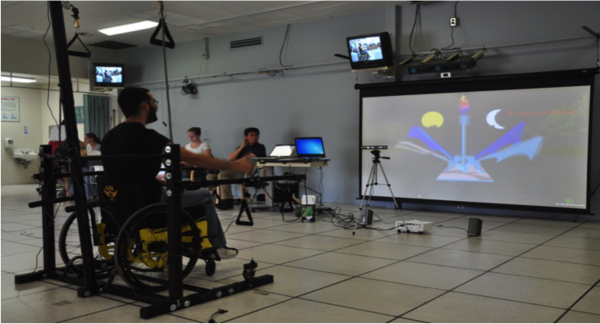
Physical therapy, especially for patients with spinal cord injuries, can be a difficult and tedious experience. This can result in negative health outcomes, such as patients dropping out of physical therapy or developing additional health problems. In this study, the authors develop and test a potential solution to these challenges: a mixed reality game called Skyfarer that replaces a standard physical therapy regimen with an immersive experience that can be shared with their friends and family. The findings of this study suggest that mixed reality games such as Skyfarer could be effective alternatives to conventional physical therapy.

Read More...