Browse Articles

Health services in Iraq - A cross-sectional survey of adolescents in Basra

Al Saeedi et al. | Aug 12, 2022

Health services in Iraq - A cross-sectional survey of adolescents in Basra

This study is a cross-sectional survey of adolescents in Basra, Iraq, from November 2020 to March 2021 about types of adolescent problems, the individuals and institutions adolescents turn to, and the role of public health centers in dealing with their problems. The survey found that psychological problems represent the largest proportion of health problems, and most adolescents turn to their parents to discuss their problems. The work indicates that there is an urgent need to pay attention to public health centers and provide health and psychological support to adolescents.

Read More...

The comparative effect of remote instruction on students and teachers

Ng et al. | Jan 16, 2022

The comparative effect of remote instruction on students and teachers

In this study, high school students and teachers responded to a survey consisting of Likert-type scale, multiple-choice, and open-ended questions regarding various aspects of remote instruction. After analyzing the data collected, they found that remote learning impacted high school students academically and socially. Students took longer to complete assignments, and both students and teachers felt that students do not learn as much in remote learning compared to in-person instruction. However, most high school students demonstrated a comprehensive understanding of the topics, and an overall negative impact on students' grades was not detected.

Read More...
Demographic trends of alcohol and marijuana co-use: examining age, gender, and race/ethnicity trends

Ryoo et al. | Jul 05, 2026

Demographic trends of alcohol and marijuana co-use: examining age, gender, and race/ethnicity trends

This study aims to examine the demographic factors that predict patterns of co-use of alcohol and marijuana in the United States. Significant findings were identified using data from the National Survey on Drug Use and Health (2012-2022), showing that there were significant differences in the prevalence of substance use among demographic groups, with young adults showing the highest co-use of alcohol and marijuana.

Read More...

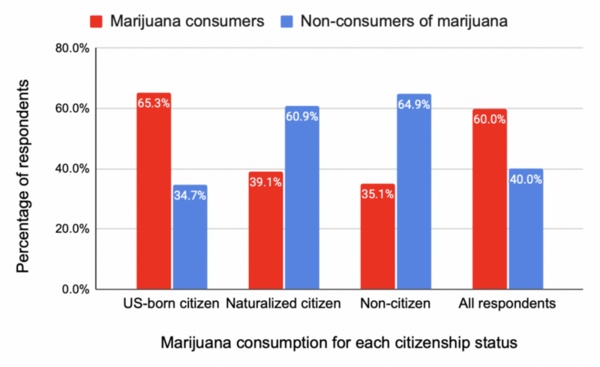
Exploring differences in men’s marijuana consumption and cigarette smoking by race and citizenship status

Miriyala et al. | Sep 04, 2024

Exploring differences in men’s marijuana consumption and cigarette smoking by race and citizenship status

This study examined the relationship between citizenship status, racial background, and the use of marijuana and cigarettes among males in California using data from the 2017–2018 California Health Interview Survey. Findings indicated that non-citizens and naturalized citizens were less likely to use marijuana compared to US-born citizens, while Asian and Latino males were less likely to consume marijuana than White males. Additionally, various racial groups were more likely to smoke cigarettes compared to White males, suggesting that targeted health interventions based on citizenship status and race could be beneficial.

Read More...

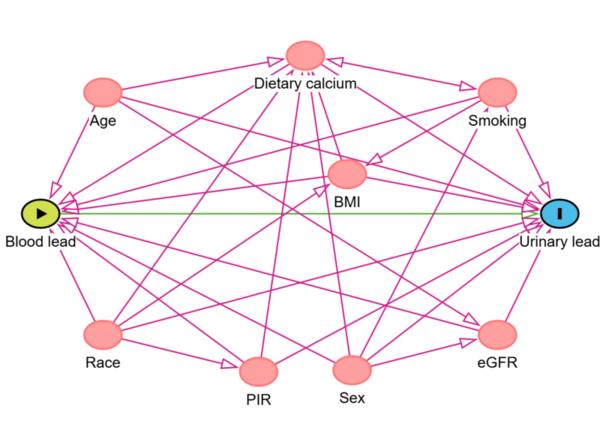
Dietary calcium intake and lead body burden in U.S. adolescents

Lin et al. | Oct 16, 2026

Dietary calcium intake and lead body burden in U.S. adolescents

We investigated whether dietary calcium intake affects how adolescents handle lead internally. Using paired blood and urinary lead data, we assessed whether calcium status is associated with differences in lead clearance. The results point to subgroups of adolescents—particularly those with lower calcium intake—who may carry a higher internal lead burden than their blood levels alone would suggest.

Read More...