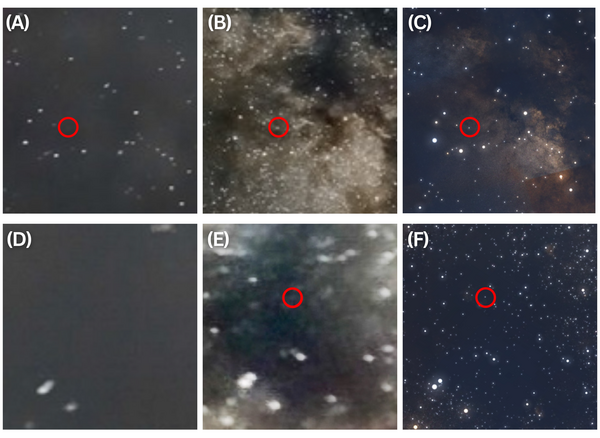
The authors investigated the impact of light pollution on astrophotography.
Read More...The impact of light pollution on astrophotography and visual astronomy in varying environments
Towards multimodal longitudinal analysis for predicting cognitive decline

Understanding and predicting cognitive decline in Alzheimer's disease
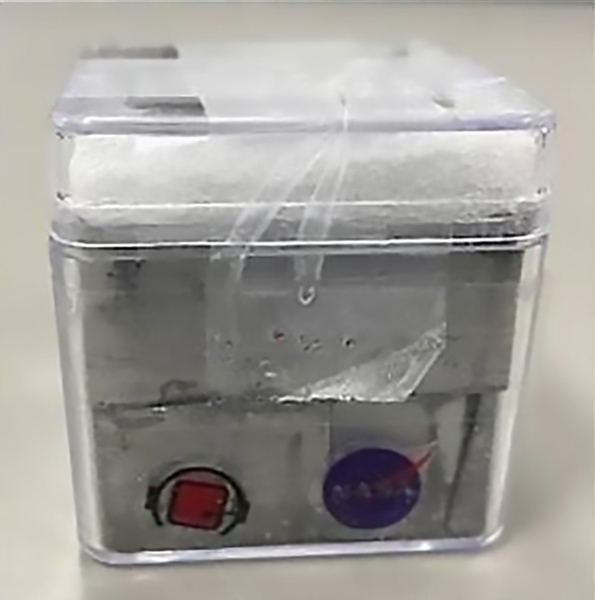
Read More...The effects of rocket travel and near-space environment on dried blood and blood plasma
Deep learning for pulsar detection: Investigating hyperparameter effects on TensorFlow classification accuracy
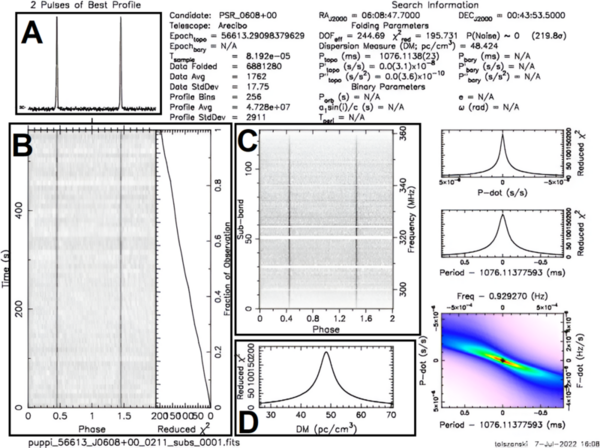
This study investigates how the hyperparameters epochs and batch size affect the classification accuracy of a convolutional neural network (CNN) trained on pulsar candidate data. Our results reveal that accuracy improves with increasing number of epochs and smaller batch sizes, suggesting that with optimized hyperparameters, high accuracy may be achievable with minimal training. These findings offer insights that could help create more efficient machine learning classification models for pulsar signal detection, with the potential of accelerating pulsar discovery and advancing astrophysical research.
Read More...The effects of image manipulation on classification of cervical spondylosis X-ray images using deep learning
Artificial intelligence face-tracking for a semi-virtual reality gaming experience

The authors studied the impact of AI face-tracking technology on the immersiveness of videogames as an alternative to virtual reality gaming.
Read More...Optimizing tennis strategy: a data-driven analysis of point importance

The authors looked at the importance of different point breakdowns needed to win in a game of tennis.
Read More...Drought prediction in the Midwestern United States using deep learning
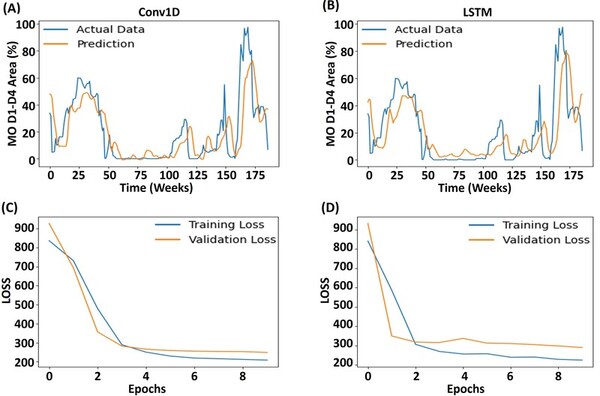
The authors studied the ability of deep learning models to predict droughts in the midwestern United States.
Read More...Pressing filtration for extraction of cabbage dietary fiber and soluble components
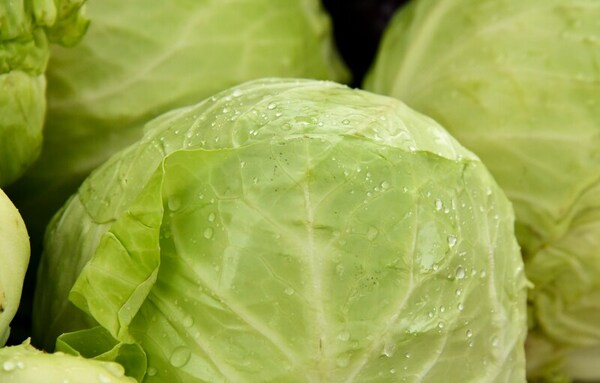
Here the authors introduce pressing filtration as a novel, efficient, and low-energy method for extracting dietary fiber from cabbage, which successfully retains heat-sensitive nutrients and achieves a high fiber yield. The study demonstrates the scalability and economic viability of this technique for commercial use, highlighting that the resulting high-fiber cabbage powder can be incorporated into familiar foods like hamburger buns and beef patties without compromising taste or sensory quality.
Read More...Enhanced soil fertility through seaweed-derived biochar: A comparative analysis with commercial fertilizers
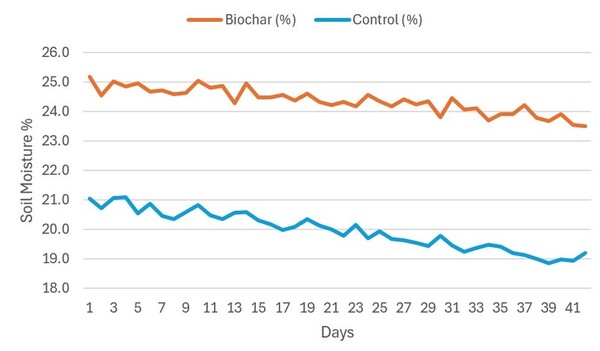
The study explored converting Gracilaria seaweed waste—known for releasing toxic hydrogen sulfide when decomposed—into biochar as a sustainable solution for waste management and soil improvement.
Read More...