Browse Articles

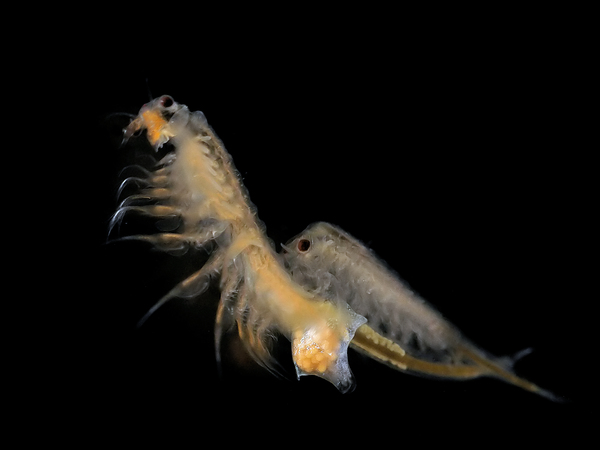
Effect of Increasing Concentrations of Cannabidiol (CBD) on Hatching, Survival and Development of Artemia salina

Rabbani et al. | Jul 27, 2020

Effect of Increasing Concentrations of Cannabidiol (CBD) on Hatching, Survival and Development of <em>Artemia salina</em>

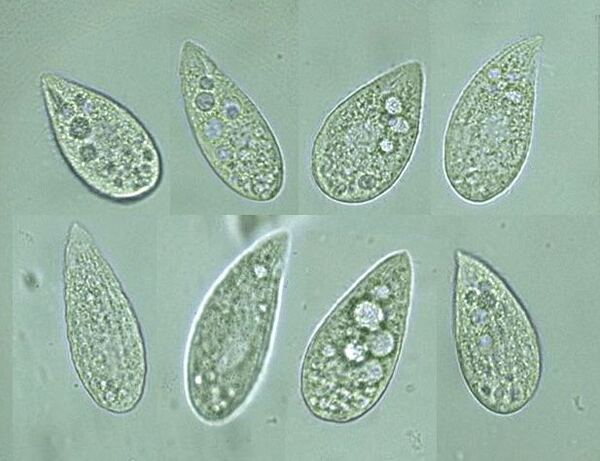
Cannabidiol, or CBD, is a widely available over the counter treatment used for various medical conditions. However, CBD exerts its effects on the endocannabinoid system, which is involved in neural maturation, and could potentially have adverse effects on brain development. Here, the impact of CBD on the development of brine shrimp (Artemia salina) was assessed. Differences in dose responses were observed.

Read More...


Characterizing Quorum Sensing-Induced Bioluminescence in Variable Volumes With Vibrio fischeri Using Computer Processing Methods

Abdel-Azim et al. | Jun 22, 2020

Characterizing Quorum Sensing-Induced Bioluminescence in Variable Volumes With <em>Vibrio fischeri</em> Using Computer Processing Methods

Understanding how bacteria respond to other bacteria could facilitate their ability to initiate and maintain their infectiousness. The phenomenon by which bacteria signal to each other via chemical signals is called quorum sensing, which could be targeted to deter bacterial infection in some cases if better understood. In this article, the authors study how a bacterium called V. fischeri uses quorum sensing to change bioluminescence, an easy readout that facilitates studying quorum sensing in this strain.

Read More...

Ground-based Follow-up Observations of TESS Exoplanet Candidates

Tang et al. | May 29, 2020

Ground-based Follow-up Observations of  TESS Exoplanet Candidates

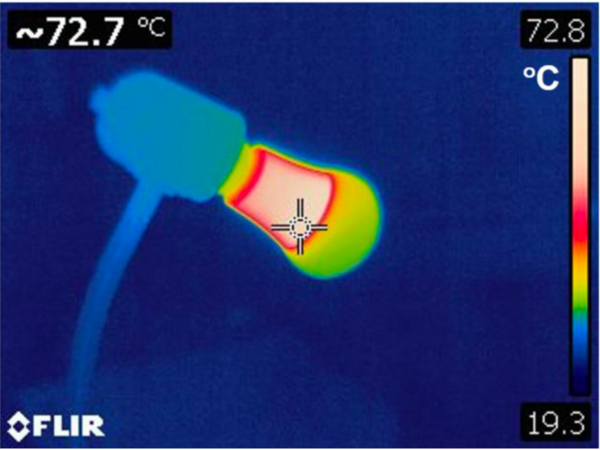
The goal of this study was to further confirm, characterize, and classify LHS 3844 b, an exoplanet detected by the Transiting Exoplanet Survey Satellite (TESS). Additionally, we strove to determine the likeliness of LHS 3844 b and similar planets as qualified candidates for observation with the James Webb Space Telescope (JWST).

Read More...

Trajectories Between Cigarette Smoking and Electronic Nicotine Delivery System Use Among Adults in the U.S.

Primack et al. | Apr 30, 2020

Trajectories Between Cigarette Smoking and Electronic Nicotine Delivery System Use Among Adults in the U.S.

In this study, the authors characterized the trends of cigarette use amongst people who do and don't use electronic nicotine delivery systems (or ENDS). This was done to help determine if the use of ENDS is aiding in helping smokers quit, as the data on this has been controversial. They found that use of ENDS among people either with or without previous cigarette usage were more likely to continue using cigarettes in the future. This is important information contributing to our understanding of ways to effectively (and not effectively) reduce cigarette use.

Read More...

The Cohesiveness of the Oscillating Belousov-Zhabotinsky Reaction

Gottlieb et al. | Dec 18, 2018

The Cohesiveness of the Oscillating Belousov-Zhabotinsky Reaction

In this study the author undertakes a careful characterization of a special type of chemical reaction, called an oscillating Belousov-Zhabotinsky (or B-Z) reaction, which has a number of existing applications in biomedical engineering as well as the potential to be useful in future developments in other fields of science and engineering. Specifically, she uses experimental measurements in combination with computational analysis to investigate whether the reaction is cohesive – that is, whether the oscillations between chemical states will remain consistent or change over time as the reaction progresses. Her results indicate that the reaction is not cohesive, providing an important foundation for the development of future technologies using B-Z reactions.

Read More...

Simulations of Cheetah Roaming Demonstrate the Effect of Safety Corridors on Genetic Diversity and Human-Cheetah Conflict

Acton et al. | Apr 02, 2018

Simulations of Cheetah Roaming Demonstrate the Effect of Safety Corridors on Genetic Diversity and Human-Cheetah Conflict

Ecological corridors are geographic features designated to allow the movement of wildlife populations between habitats that have been fragmented by human landscapes. Corridors can be a pivotal aspect in wildlife conservation because they preserve a suitable habitat for isolated populations to live and intermingle. Here, two students simulate the effect of introducing a safety corridor for cheetahs, based on real tracking data on cheetahs in Namibia.

Read More...

Characterization of a UPEC DegS Mutant in vitro and in vivo

Bradley et al. | Mar 16, 2015

Characterization of a UPEC <em>DegS</em> Mutant <em>in vitro</em> and <em>in vivo</em>

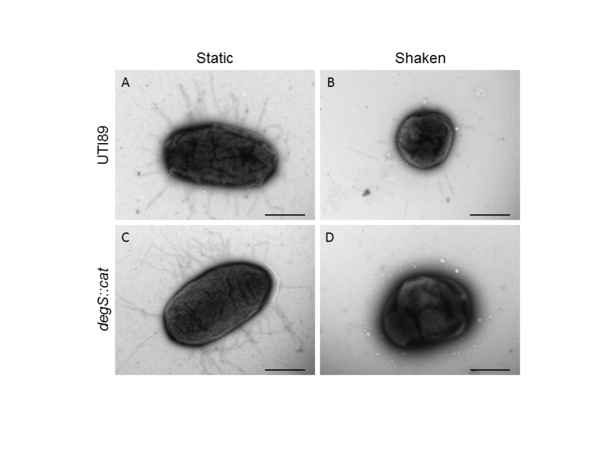
DegS is an integral inner membrane protein in E. coli that helps break down misfolded proteins. When it is mutated, there is a large increase in the production of outer membrane vesicles (OMVs), which are thought to play a role in pathogenesis. This study used mutant strains of uropathogenic E. coli (UPEC) to characterize the role of DegS and OMVs on UPEC virulence.

Read More...

Dietary calcium intake and lead body burden in U.S. adolescents

Lin et al. | Oct 16, 2026

Dietary calcium intake and lead body burden in U.S. adolescents

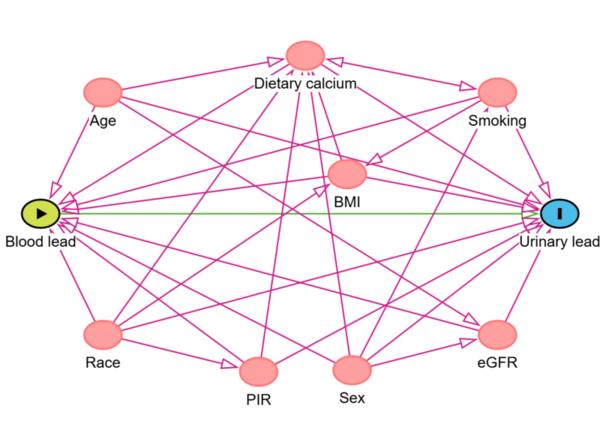
We investigated whether dietary calcium intake affects how adolescents handle lead internally. Using paired blood and urinary lead data, we assessed whether calcium status is associated with differences in lead clearance. The results point to subgroups of adolescents—particularly those with lower calcium intake—who may carry a higher internal lead burden than their blood levels alone would suggest.

Read More...