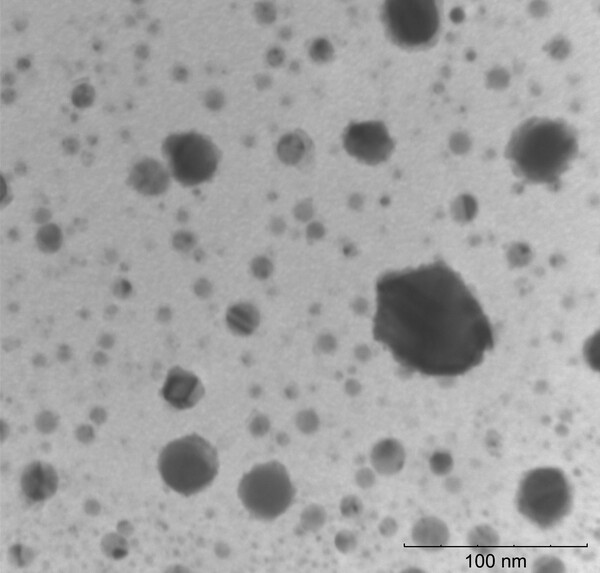
The authors propose a method to recycle Christmas tree needles into a non-toxic reducing agent for synthesizing copper nanoparticles.
Read More...Copper nanoparticle synthesis using Picea glauca ‘Conica’
The authors propose a method to recycle Christmas tree needles into a non-toxic reducing agent for synthesizing copper nanoparticles.
Read More...Effect of heme vs. non-heme iron supplements on gut microbiome fitness

Here, based on identification of iron deficiencies of a majority of people around the world, the authors sought to understand how the two main forms of dietary iron, heme and non-heme, affect the bacteria found in the human gut. by using a cell plate study, they found that bacterial growth increased with increasing concentration os either form of iron, up until the point where the high iron content resulted in cytotoxicity. They suggest this evidence points to the potential dangers of overconsumption of iron.
Read More...Environmentally-friendly graphene conductive ink using graphene powder, polystyrene, and waste oil
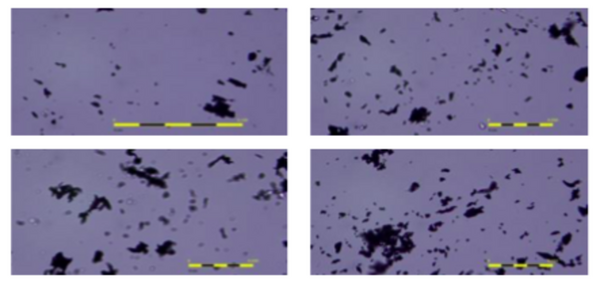
In this article, the authors propose an effective, environmentally-friendly method of producing conductive ink using expired waste oil, polystyrene, and graphene.
Read More...Testing Various Synthetic and Natural Fiber Materials for Soundproofing
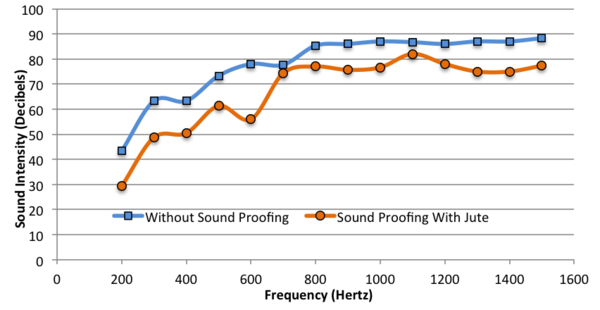
Noise pollution negatively impacts the health and behavioral routines of humans and other animals, but the production of synthetic sound-absorbing materials contributes to harmful gas emissions into the atmosphere. The authors of this paper investigated the effectiveness of environmentally-friendly, cheap natural-fiber materials, such as jute, as replacements for synthetic materials, such as gypsum and foam, in soundproofing.
Read More...A 1D model of ultrasound waves for diagnosing of hepatomegaly and cirrhosis

The authors created a 1D model to diagnose hepatomegaly and cirrhosis via ultrasound of the liver.
Read More...Mapping equity in California K-12 school solar adoption using computer vision
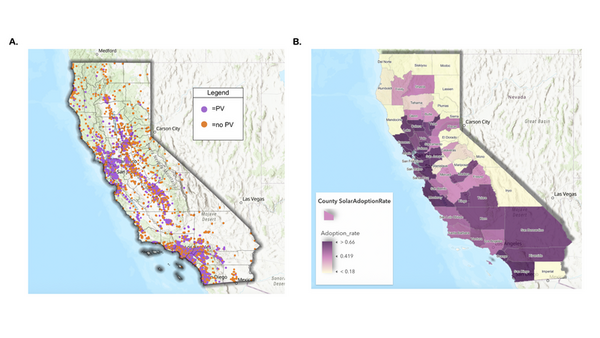
The authors investigated adoption rates of solar photovoltaic power at K-12 schools in California.
Read More...The impact of political ideologies on renewable energy adoption
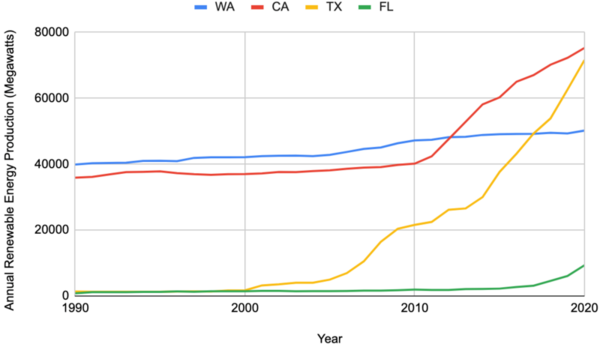
The authors compare rates of renewable energy adoption between states that historically vote for democrats versus republicans in presidential elections.
Read More...Awareness of plastic pollution and adoption of green consumer lifestyles among students from high school
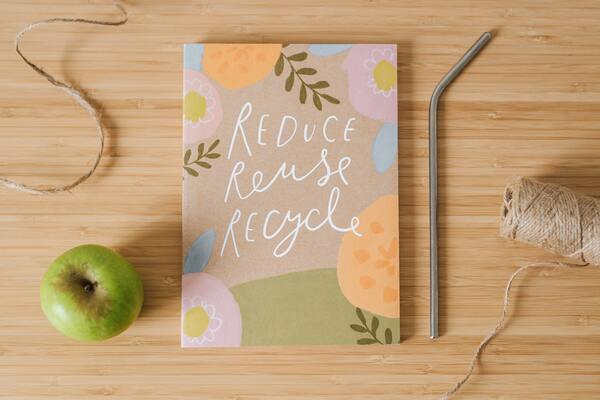
In this study, the authors test ways to increase knowledge of green consumerism amongst high school students. Their knowledge was measured based on the New Ecological Paradigm Scale.
Read More...Algorithmic barriers: Investigating student perceptions of AI bias in subjective “culture fit” hiring

This study investigated perceptions of the emerging workforce toward the use of artificial intelligence in hiring, specifically for assessing subjective "culture fit." Through a mixed-methods survey of 150 high school and early-college students in Nepal, we found a significant disconnect between organizational adoption of AI and the profound skepticism of young job candidates, who express deep concerns about fairness, transparency, and the potential for AI to perpetuate systemic discrimination.
Read More...Identifying the wavelength that generates the most voltage and current in a solar panel

A key barrier to adoption of solar energy technology is the low efficiency of solar cells converting solar energy into electricity. Sims and Sims tackle this problem by coding a Raspberry Pi as a multimeter to determine which wavelength of light generates the most voltage and current from a solar panel.
Read More...