Browse Articles

Tap water quality analysis in Ulaanbaatar City

Munkhbat et al. | Sep 25, 2022

Tap water quality analysis in Ulaanbaatar City

There have been several issues concerning the water quality in Ulaanbaatar, Mongolia in the past few years. This study, we collected 28 samples from 6 districts of Ulaanbaatar to check if the water supply quality met the standards of the World Health Organization, the Environmental Protection Agency, and a Mongolian National Standard. Only three samples fully met all the requirements of the global standards. Samples in Zaisan showed higher hardness (>120 ppm) and alkalinity levels (20–200 ppm) over the other districts in the city. Overall, the results show that it is important to ensure a safe and accessible water supply in Ulaanbaatar to prevent future water quality issues.

Read More...

Development and Implementation of Enzymatic and Volatile Compound-based Approaches for Instantaneous Detection of Pathogenic Staphylococcus aureus

Nori et al. | Feb 20, 2021

Development and Implementation of Enzymatic and Volatile Compound-based Approaches for Instantaneous Detection of Pathogenic <i>Staphylococcus aureus</i>

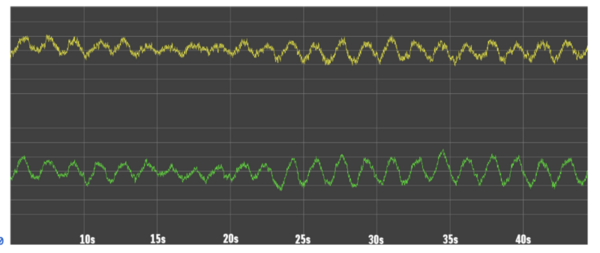
Staphylococcus aureus (S. aureus) has a mortality rate of up to 30% in developing countries. The purpose of this experiment was to determine if enzymatic and volatile compound-based approaches would perform more quickly in comparison to existing S. aureus diagnostic methods and to evaluate these novel methods on accuracy. Ultimately, this device provided results in less than 30 seconds, which is much quicker than existing methods that take anywhere from 10 minutes to 48 hours based on approach. Statistical analysis of accuracy provides preliminary confirmation that the device based on enzymatic and volatile compound-based approaches can be an accurate and time-efficient tool to detect pathogenic S. aureus.

Read More...

Exploring the Factors that Drive Coffee Ratings

Agarwal et al. | May 19, 2025

Exploring the Factors that Drive Coffee Ratings

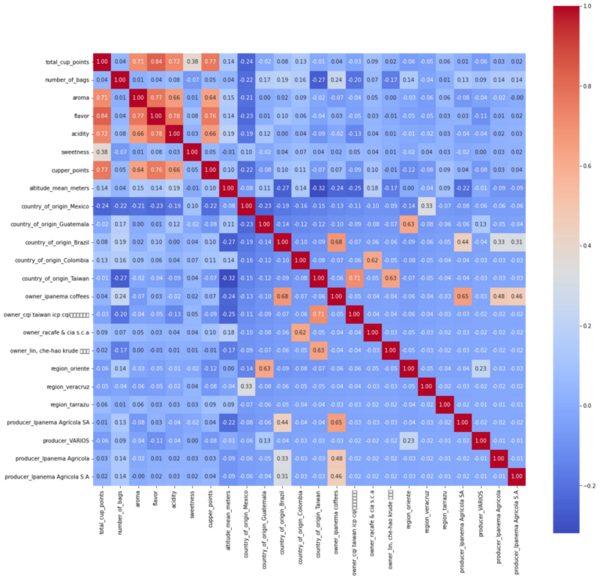
This study explores the factors that influence coffee quality ratings using data from the Coffee Quality Institute. Through a regression model based on gradient descent, the authors aimed to predict coffee ratings (total cup points) and hypothesized that sweetness and the coffee producer would be the most influential factors.

Read More...

Determining viability of image processing models for forensic analysis of hair for related individuals

Wang et al. | Feb 04, 2025

Determining viability of image processing models for forensic analysis of hair for related individuals
Image credit: Taylor Smith

Here, the authors used machine learning to analyze microscopic images of hair, quantifying various features to distinguish individuals, even within families where traditional DNA analysis is limited. The Discriminant Analysis (DA) model achieved the highest accuracy (88.89%) in identifying individuals, demonstrating its potential to improve the reliability of hair evidence in forensic investigations.

Read More...

Lettuce seed germination in the presence of microplastic contamination

Kochar et al. | Dec 09, 2024

Lettuce seed germination in the presence of microplastic contamination

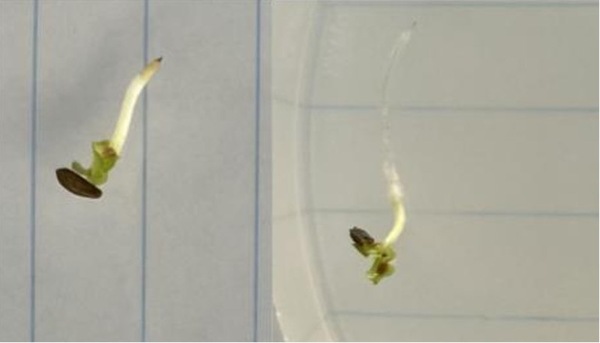
Microplastic pollution is a pressing environmental issue, particularly in the context of its potential impacts on ecosystems and human health. In this study, we explored the ability of plants, specifically those cultivated for human consumption, to absorb microplastics from their growing medium. We found no evidence of microplastic absorption in both intact and mechanically damaged roots. This outcome suggests that microplastics larger than 10 μm may not be readily absorbed by the root systems of leafy crops such as lettuce (L. sativa).

Read More...