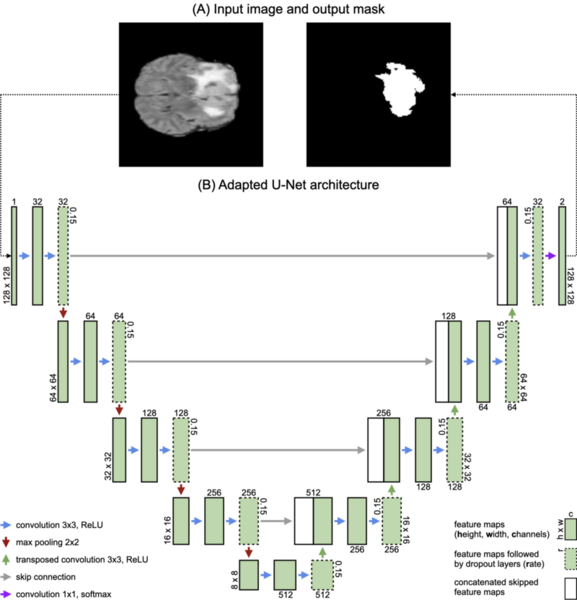
This study compares the performance of two deep learning models, U-Net and DeconvNet, for segmenting gliomas from MRI scans.
Read More...Advancements in glioma segmentation: comparing the U-Net and DeconvNet models
This study compares the performance of two deep learning models, U-Net and DeconvNet, for segmenting gliomas from MRI scans.
Read More...A HOG feature extraction and CNN approach to Parkinson’s spiral drawing diagnosis
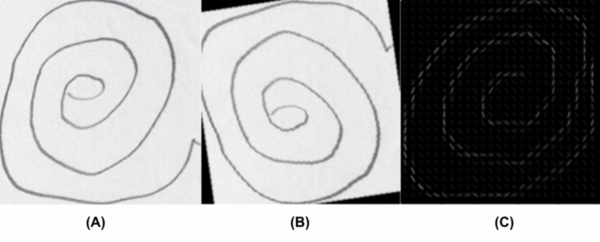
Parkinson’s disease (PD) is a prevalent neurodegenerative disorder in the U.S., second only to Alzheimer’s disease. Current diagnostic methods are often inefficient and dependent on clinical exams. This study explored using machine and deep learning to enhance PD diagnosis by analyzing spiral drawings affected by hand tremors, a common PD symptom.
Read More...Enhancing marine debris identification with convolutional neural networks
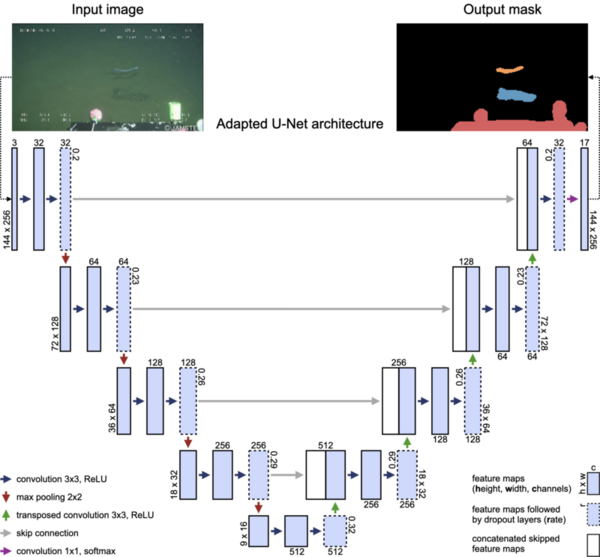
Plastic pollution in the ocean is a major global concern. Remotely Operated Vehicles (ROVs) have promise for removing debris from the ocean, but more research is needed to achieve full effectiveness of the ROV technology. Wahlig and Gonzales tackle this issue by developing a deep learning model to distinguish trash from the environment in ROV images.
Read More...Collaboration beats heterogeneity: Improving federated learning-based waste classification
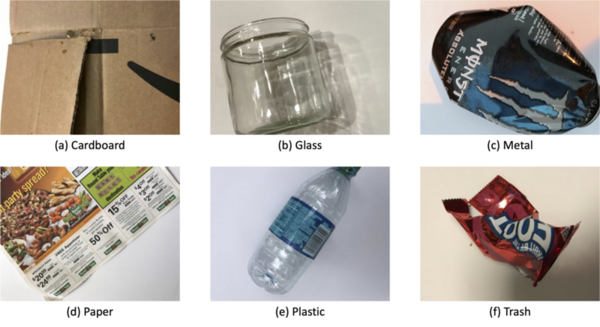
Based on the success of deep learning, recent works have attempted to develop a waste classification model using deep neural networks. This work presents federated learning (FL) for a solution, as it allows participants to aid in training the model using their own data. Results showed that with less clients, having a higher participation ratio resulted in less accuracy degradation by the data heterogeneity.
Read More...A comparative analysis of machine learning approaches for prediction of breast cancer
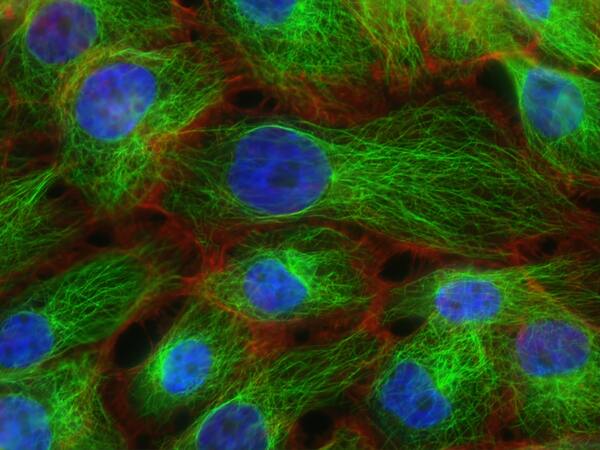
Machine learning and deep learning techniques can be used to predict the early onset of breast cancer. The main objective of this analysis was to determine whether machine learning algorithms can be used to predict the onset of breast cancer with more than 90% accuracy. Based on research with supervised machine learning algorithms, Gaussian Naïve Bayes, K Nearest Algorithm, Random Forest, and Logistic Regression were considered because they offer a wide variety of classification methods and also provide high accuracy and performance. We hypothesized that all these algorithms would provide accurate results, and Random Forest and Logistic Regression would provide better accuracy and performance than Naïve Bayes and K Nearest Neighbor.
Read More...Determining the best convolutional neural network for identifying tuberculosis and pneumonia in chest x-rays
.png)
To best identify tuberculosis and pneumonia diagnoses in chest x-rays, the authors compare different deep learning convolution neural networks.
Read More...Mining social media posts: An alternative approach to understanding home health care workers’ experiences

This study developed an effective method for extracting valuable information from social media data and employed computer-assisted human coding alongside the AI-powered tool to analyze social media posts. The findings provide a deep understanding of the major challenges that home health care workers are experiencing and offer important implications regarding how to improve home healthcare workers' well-being, and provide suggestions on optimizing the home health care service experience.
Read More...Machine learning for the diagnosis of malaria: a pilot study of transfer learning techniques
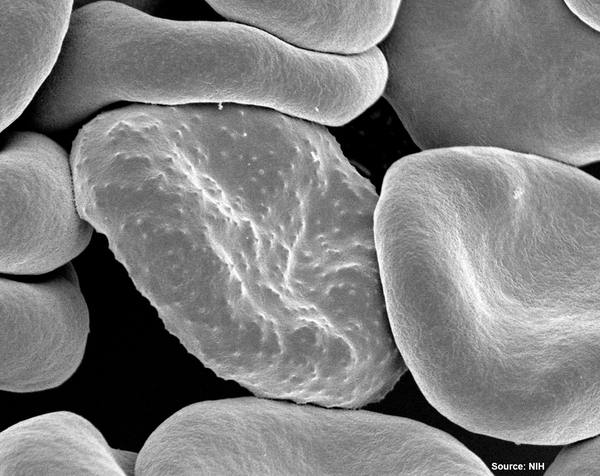
The diagnosis of malaria remains one of the major hurdles to eradicating the disease, especially among poorer populations. Here, the authors use machine learning to improve the accuracy of deep learning algorithms that automate the diagnosis of malaria using images of blood smears from patients, which could make diagnosis easier and faster for many.
Read More...Algorithmic barriers: Investigating student perceptions of AI bias in subjective “culture fit” hiring

This study investigated perceptions of the emerging workforce toward the use of artificial intelligence in hiring, specifically for assessing subjective "culture fit." Through a mixed-methods survey of 150 high school and early-college students in Nepal, we found a significant disconnect between organizational adoption of AI and the profound skepticism of young job candidates, who express deep concerns about fairness, transparency, and the potential for AI to perpetuate systemic discrimination.
Read More...Transfer learning and data augmentation in osteosarcoma cancer detection
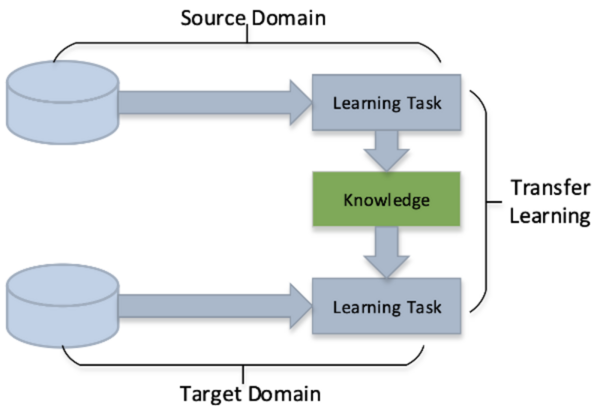
Osteosarcoma is a type of bone cancer that affects young adults and children. Early diagnosis of osteosarcoma is crucial to successful treatment. The current methods of diagnosis, which include imaging tests and biopsy, are time consuming and prone to human error. Hence, we used deep learning to extract patterns and detect osteosarcoma from histological images. We hypothesized that the combination of two different technologies (transfer learning and data augmentation) would improve the efficacy of osteosarcoma detection in histological images. The dataset used for the study consisted of histological images for osteosarcoma and was quite imbalanced as it contained very few images with tumors. Since transfer learning uses existing knowledge for the purpose of classification and detection, we hypothesized it would be proficient on such an imbalanced dataset. To further improve our learning, we used data augmentation to include variations in the dataset. We further evaluated the efficacy of different convolutional neural network models on this task. We obtained an accuracy of 91.18% using the transfer learning model MobileNetV2 as the base model with various geometric transformations, outperforming the state-of-the-art convolutional neural network based approach.
Read More...