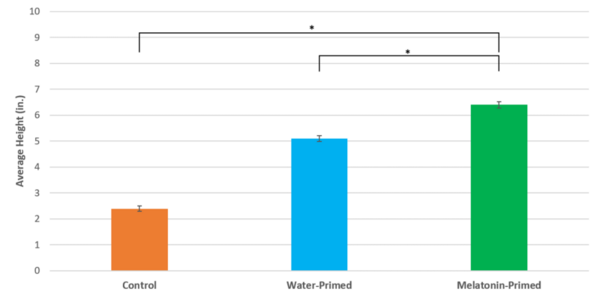
The authors test whether soaking maize seeds in a solution of melatonin improves seed germination and drought tolerance.
Read More...Seed priming with melatonin improves drought tolerance in maize
The authors test whether soaking maize seeds in a solution of melatonin improves seed germination and drought tolerance.
Read More...The effect of common food preservatives on the growth of bacteria
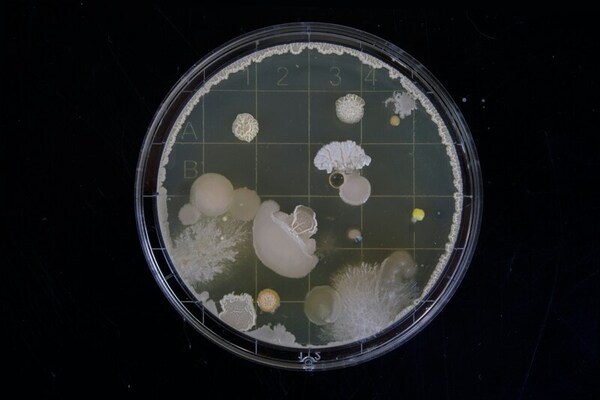
Here the authors aimed to find the best preservative combinations to stop bacterial growth in food, using data modeling and biochemical experiments. They discovered that single preservatives are often not enough, with varying effectiveness against different bacteria, and suggest future research into combining preservatives for better results.
Read More...Heat impact to food’s shelf life - An example of milk
Food spoilage happens when food is not kept in a good storage condition. Qualitatively estimating the shortened shelf life of food could reduce food waste. In this study, we tested the impact of heat on milk shelf life. Our results showed that an exposure at room temperature (25°C) for 3.2 hours will decrease the shelf life of milk by one day.
Read More...Elucidating the Genotoxicity of Synthetic Food Preservatives with the SOS Chromotest

Evidence suggests certain food preservatives may be genotoxic due to their ability to impair normal cellular pathways. The authors investigated the genotoxic potential and effects of commonly used synthetic food preservatives, specifically sodium nitrite, potassium sulfate, and hydrogen peroxide.
Read More...Effectiveness of Biodegradable Plastic in Preventing Food Spoilage
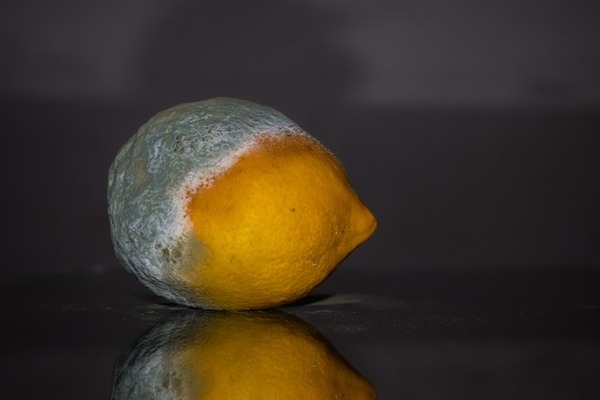
Most people put little thought into the type of plastic wrap they use to store their leftovers. This study investigates the differences between biodegradable plastic wrap and non-biodegradable plastic wrap in their ability to prevent food spoilage. Does one work better than the other? Read more to find out!
Read More...A comparative study of food labels in the United States and India: Adherence to Codex Alimentarius guidelines

This study investigated how well food labels from 280 different brands across multiple food and drink categories in India and the US adhered to recommended nutritional labeling standards as outlined by the Codex Alimentarius.
Read More...Time-Efficient and Low-Cost Neural Network to detect plant disease on leaves and reduce food loss and waste

About 25% of the food grown never reaches consumers due to spoilage, and 11.5 billion pounds of produce from gardens are wasted every year. Current solutions involve farmers manually looking for and treating diseased crops. These methods of tending crops are neither time-efficient nor feasible. I used a convolutional neural network to identify signs of plant disease on leaves for garden owners and farmers.
Read More...The effects of food type on mediator-less microbial fuel cell electricity output
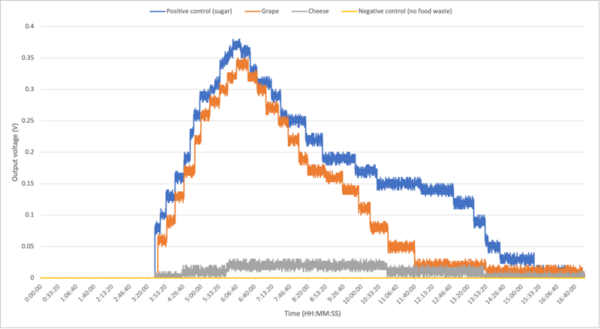
The authors look at how different food types impact the ability of bacteria to produce electricity.
Read More...The impact of Red 40 artificial food dye on the heart rate of Daphnia magna

In this study, potential physiological effects of Red 40 food dye, found in many different food products, are tested using Daphnia magna, a small freshwater crustacean.
Read More...Glyphosate Levels in American Food Products Meet Government Safety Levels Yet Exceed Concentrations Associated with Negative Effects
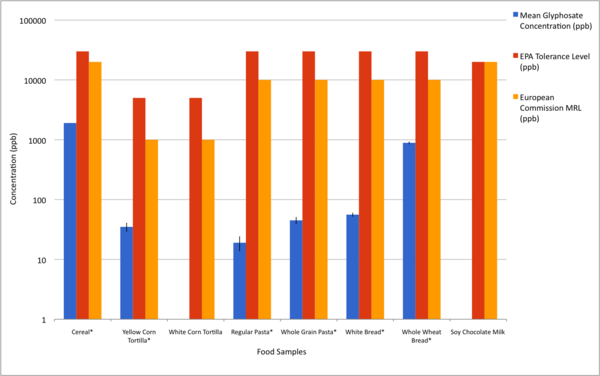
Glyphosate is the active ingredient in the herbicide Roundup, frequently used in the agricultural industry worldwide. Current literature reveals contradictory findings regarding the effects of glyphosate on vertebrates, leading to concerns about human consumption and differing views on safety levels. Here, authors sought to measure glyphosate levels in common commercially available food products. While some product levels exceed the thresholds at which negative effects have been observed, none exceed government limits.
Read More...