Browse Articles

Blue light blocking glasses: do they do what they promise?

Lee et al. | Dec 13, 2023

Blue light blocking glasses: do they do what they promise?
Image credit: nacer eddine

With increased screen time and exposure to blue light, an increasing number of people have sleep deprivation. Blue light suppresses the release of melatonin and hinders sleep at night. We hypothesized that people could get a greater amount of sleep by controlling the blue light exposure from screen time before bedtime. BBG’s effect on reducing time to fall asleep was significant within the teenage group, but not significant in the adult group. This indicated that BBG could improve the time taken to sleep for young teenagers post screen time in the evening.

Read More...
A five-year retrospective analysis of Tuberculosis risk factors and their variability in the United States

Kini et al. | Mar 14, 2026

A five-year retrospective analysis of Tuberculosis risk factors and their variability in the United States
Image credit: Kini, Diaz Gaviria, Diaz, and Kini

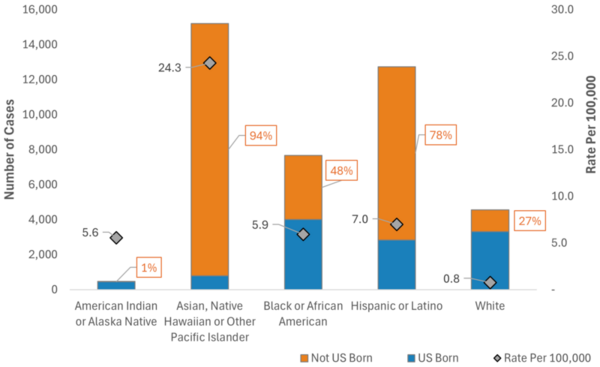
The main goal of this study is to determine what demographics are related to tuberculosis incidence in the United States populations, particularly if changing demographics are related to differences in tuberculosis risk over two discrete time periods. The major finding is that in the two studied time periods, tuberculosis risk factors were somewhat consistent and may be influenced by things such as immigration, healthcare access, and race or ethnicity, although the top predictor did change.

Read More...

Do trumpet players have a greater expiratory capacity than those who do not play a wind instrument?

Homsi et al. | Feb 01, 2022

Do trumpet players have a greater expiratory capacity than those who do not play a wind instrument?

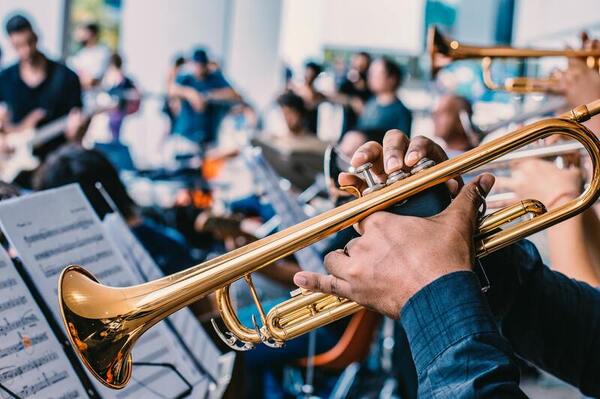
With healthy lung performance being critical to daily function and maintenance of physical health, the authors of this study explored the impact of airflow training from playing a wind instrument on respiratory system function. With careful quantification of peak expiratory flow of individuals who played the trumpet, the authors found no expiratory capacity difference between students who played the trumpet and students who did not play a wind instrument.

Read More...

Dietary calcium intake and lead body burden in U.S. adolescents

Lin et al. | Oct 16, 2026

Dietary calcium intake and lead body burden in U.S. adolescents

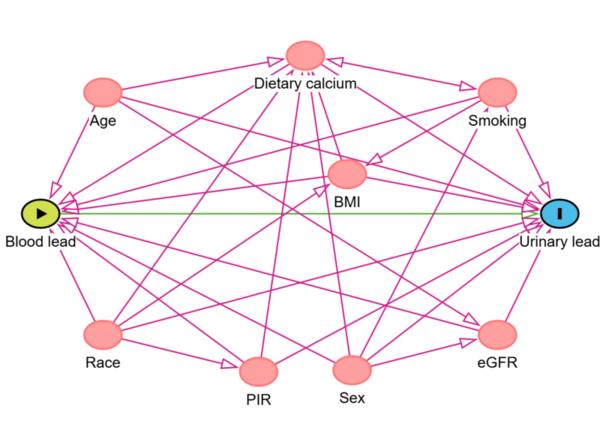
We investigated whether dietary calcium intake affects how adolescents handle lead internally. Using paired blood and urinary lead data, we assessed whether calcium status is associated with differences in lead clearance. The results point to subgroups of adolescents—particularly those with lower calcium intake—who may carry a higher internal lead burden than their blood levels alone would suggest.

Read More...

Investigating the effects of PVC microplastics on the growth of Chlorella vulgaris

Beaubien et al. | Oct 13, 2026

Investigating the effects of PVC microplastics on the growth of <i>Chlorella vulgaris</i>

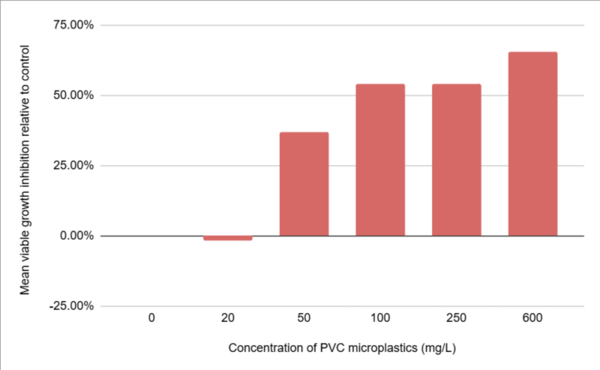
This study examined the effect of varying PVC microplastic concentrations on the growth of Chlorella vulgaris in freshwater, utilizing six PVC levels and identical culture conditions. Cell counts revealed that higher PVC concentrations consistently reduced algal growth, and a Spearman correlation test detected a significant negative monotonic association between PVC concentration and viable cell density. These results support the hypothesis that PVC microplastics impair algal growth, underscoring their ecological risk in freshwater environments.

Read More...

Understanding the impossibility of machine learning fairness with data examples

Pillutla et al. | Sep 04, 2026

Understanding the impossibility of machine learning fairness with data examples

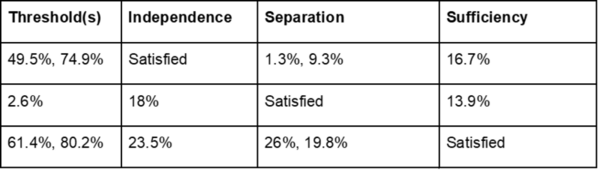
Machine learning systems are often expected to make fair decisions, yet the most widely used fairness criteria—independence, separation, and sufficiency—cannot generally be satisfied at the same time. In this study, students tested these criteria using a logistic regression model on a real-world student performance dataset and found that each criterion was met only at different prediction thresholds, with no threshold satisfying all three simultaneously. These results illustrate the inherent trade-offs in algorithmic fairness and highlight why achieving perfectly fair machine learning models is often impossible in practice.

Read More...