
In this study, the authors conduct a survey to evaluate the impact of household socioeconomic status on effectiveness of distance learning for students.
Read More...Influence of socioeconomic status on academic performance in virtual classroom settings
In this study, the authors conduct a survey to evaluate the impact of household socioeconomic status on effectiveness of distance learning for students.
Read More...Trajectories Between Cigarette Smoking and Electronic Nicotine Delivery System Use Among Adults in the U.S.
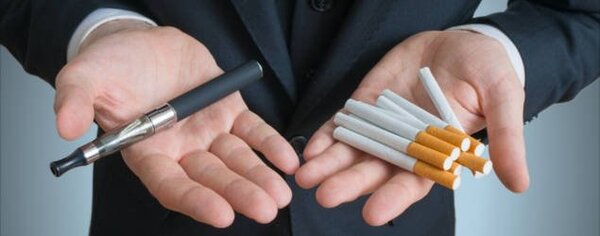
In this study, the authors characterized the trends of cigarette use amongst people who do and don't use electronic nicotine delivery systems (or ENDS). This was done to help determine if the use of ENDS is aiding in helping smokers quit, as the data on this has been controversial. They found that use of ENDS among people either with or without previous cigarette usage were more likely to continue using cigarettes in the future. This is important information contributing to our understanding of ways to effectively (and not effectively) reduce cigarette use.
Read More...The Mount Laurel doctrine: A case study in housing affordability and the labor market in New Jersey
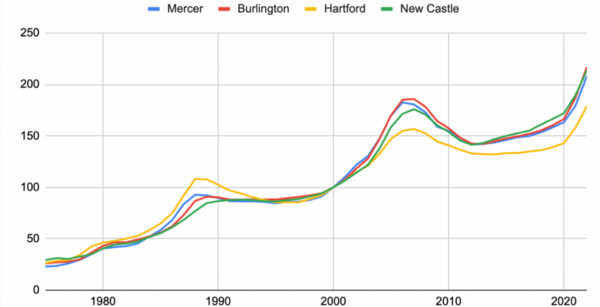
The authors explored the effects of the Mount Laurel Doctrine on housing affordability, unemployment rate, and civilian labor force in Burlington County, New Jersey compared to nearby counties.
Read More...Specialized chicken toys are effective in relieving stagnant egg production for stressed layer hens

The authors looked at egg laying rates in chickens at two different small farms. They found when the chickens were provided homemade, colorful toys in their environment that their egg production rates increased.
Read More...Association of depression and suicidal ideation among adults with the use of H2 antagonists
In this study, the authors investigate associations between use of histamine H2 receptor antagonists and suicidal ideation in different age groups.
Read More...A novel bioreactor system to purify contaminated runoff water
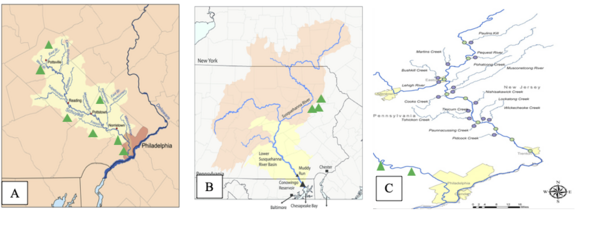
In this study, the authors engineer a cost-effective and bio-friendly water purification system using limestone, denitrifying bacteria, and sulfate-reducing bacteria. They evaluated its efficacy with samples from Eastern PA industrial sites.
Read More...The Effect of Sunglass Price on Ocular Exposure to Ultraviolet Radiation
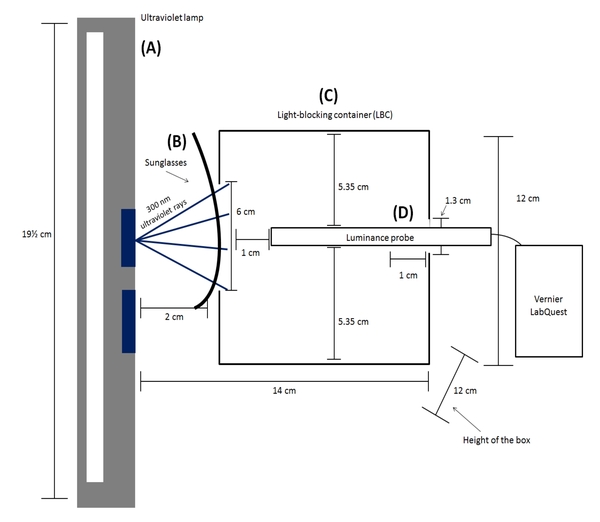
Wearing sunglasses may offer protection against the negative health outcomes linked to exposure to ultraviolet waves. In this study, the authors test whether more expensive sunglasses offer better UV protection.
Read More...A cross-cultural analysis of consumer behavior and payment preferences: Insights from India and the United Arab Emirates
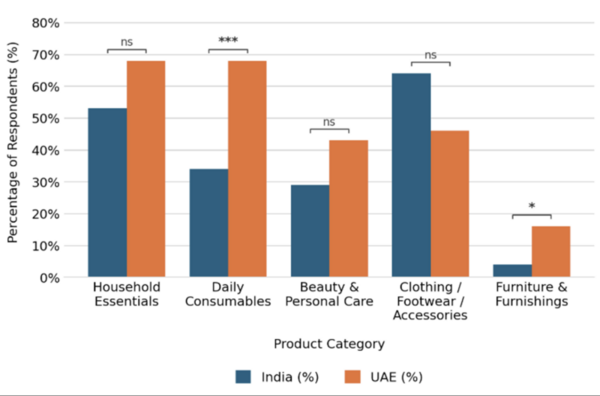
Consumers in India and the United Arab Emirates live in very different economic and cultural environments, and this study set out to measure how that shapes the way they shop and pay. Surveying 50 people in each country, they found that Indian consumers were more price-sensitive and favored cash, while UAE consumers prioritized convenience, gravitating toward credit cards, mobile wallets, and online shopping. The results offer practical insight for retailers, marketers, and policymakers working across these two fast-growing but culturally distinct markets.
Read More...Efficacy of Rotten and Fresh Fruit Extracts as the Photosensitive Dye for Dye-Sensitized Solar Cells

Dye-sensitized solar cells (DSSC) use dye as the photoactive material, which capture the incoming photon of light and use the energy to excite electrons. Research in DSSCs has centered around improving the efficacy of photosensitive dyes. A fruit's color is defined by a unique set of molecules, known as a pigment profile, which changes as a fruit progresses from ripe to rotten. This project investigates the use of fresh and rotten fruit extracts as the photoactive dye in a DSSC.
Read More...Is Cloud Cover One of the Effects of Climate Change?
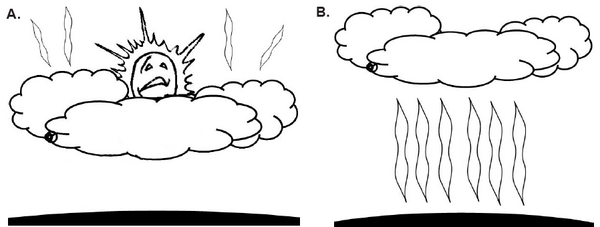
Climate change is one of the most controversial challenges humans face. Here the authors investigate the dual role of clouds - to reflect incoming light away from the Earth and to reflect heat energy back toward the Earth's surface. They find that the amount of incident light energy and surface temperature decreases as the sky becomes cloudier. These results will inform longer-term studies that may compare against the amount of energy clouds reflect back toward the Earth.
Read More...