Browse Articles

Testing Epoxy Strength: The High Strength Claims of Selleys’s Araldite Epoxy Glues

Nguyen et al. | Jul 14, 2020

Testing Epoxy Strength: The High Strength Claims of Selleys’s Araldite Epoxy Glues

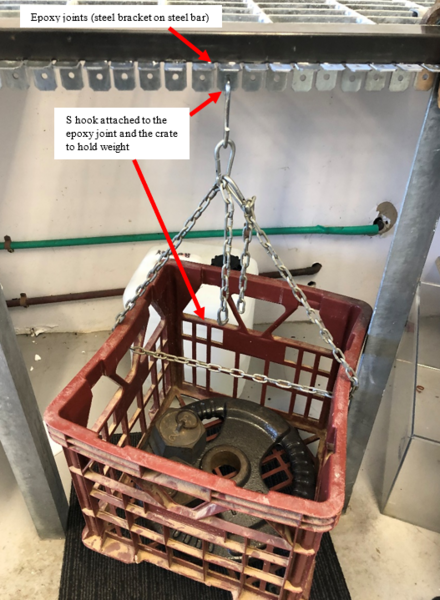
Understanding the techniques used to improve the adhesion strength of the epoxy resin is important especially for consumer applications such as repairing car parts, bonding aluminum sheeting, and repairing furniture or applications within the aviation or civil industry. Selleys Araldite epoxy makes specific strength claims emphasizing that the load or weight that can be supported by the adhesive is 72 kg/cm2. Nguyen and Clarke aimed to test the strength claims of Selley’s Araldite Epoxy by gluing two steel adhesion surfaces: a steel tube and bracket. Results showed that there is a lack of consideration by Selleys for adhesion loss mechanisms and environmental factors when accounting for consumer use of the product leading to disputable claims.

Read More...
Near-infrared activation of environmentally-friendly gold and silver nanoparticles for unclogging arteries

Gill et al. | Sep 06, 2024

Near-infrared activation of environmentally-friendly gold and silver nanoparticles for unclogging arteries

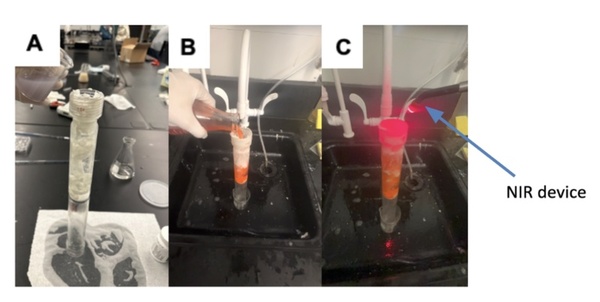
Coronary artery disease, the leading cause of death worldwide, results from cholesterol build-up in coronary arteries, limiting blood and oxygen flow to the heart. This study investigated the use of gold and silver nanoparticles coated with aspirin and activated by near-infrared light to improve blood flow in a clogged artery model. The nanoparticles increased simulated blood flow rates, demonstrating potential as a less invasive and more targeted treatment for cardiovascular disease.

Read More...

Effects of material advantage and space advantage on the Komodo and Stockfish chess engines

Kaushikan et al. | May 14, 2024

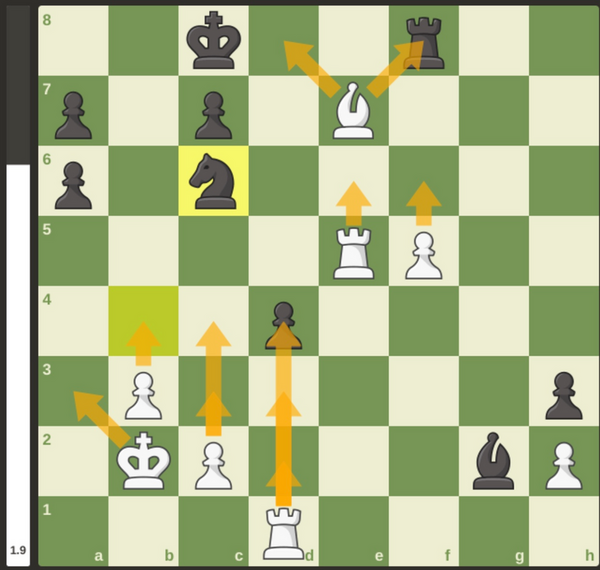
Effects of material advantage and space advantage on the Komodo and Stockfish chess engines
Image credit: The authors

Chess engines, or computer programs built to play chess, outperform even the best human players. Kaushikan and Park investigate the inner workings of these chess engines by studying popular chess engines' evaluations of which side of a chess match is most likely to win, and how this is affected by the number of pieces and controlled squares on each side.

Read More...

A new hybrid cold storage material

Zhang et al. | Jun 05, 2022

A new hybrid cold storage material

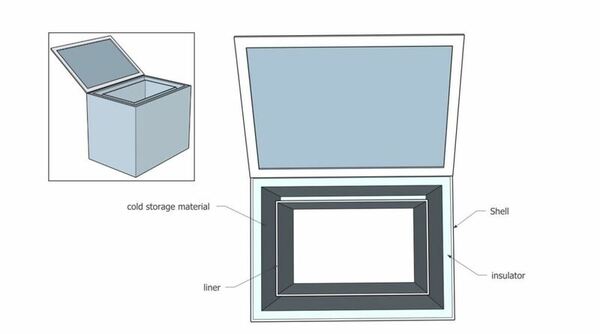
With low-temperature transportation being critical for the progress of research and medical services by preserving biological samples and vaccines, the optimization of cold storage materials is more critical now than ever. The exclusive use of dry ice has its limitations. Notably, it proves insufficient for cold storage during long-range transportation necessary for the delivery of specimens to rural areas. In this article, the authors have proposed a new means of cold storage through the combination of dry ice and ethanol. Upon thorough analysis, the authors have determined their new method as considerably better than the use of pure dry ice across many characteristics, including cold storage capacity, longevity of material, and financial and environmental feasibility.

Read More...

Mitigating microplastic exposure from water consumption in junior high students and teachers

Chow et al. | May 10, 2024

Mitigating microplastic exposure from water consumption in junior high students and teachers
Image credit: Pixabay

Microplastics (MPs) are inorganic material that have been observed within items destined for human consumption, including water, and may pose a potential health hazard. Here we estimated the average amount of MPs junior high students and teachers consumed from different water sources and determined whether promoting awareness of microplastic (MP) exposure influenced choice of water source and potential MPs consumed.

Read More...

How CAFOs affect Escherichia coli contents in surrounding water sources

Lieberman et al. | Feb 24, 2023

How CAFOs affect <i>Escherichia coli</i> contents in surrounding water sources
Image credit: CDC

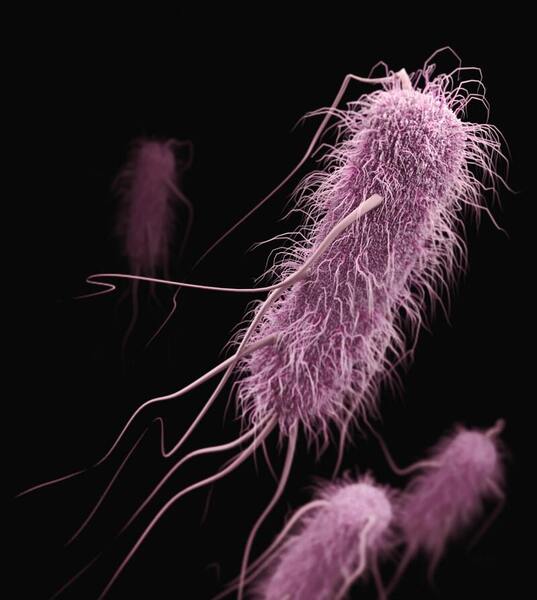
Commercial Concentrated Animal Feeding Operations (CAFOs) produce large quantities of waste material from the animals being housed in them. These feedlots found across the United States contain livestock that produce waste that results in hazardous runoff. This study examines how CAFOs affect water sources by testing for Escherichia Coli (E. coli) content in bodies of water near CAFOs.

Read More...