Browse Articles

Comparative screening of dose-dependent and strain-specific antimicrobial efficacy of berberine against a representative library of broad-spectrum antibiotics

Sun et al. | May 10, 2021

Comparative screening of dose-dependent and strain-specific antimicrobial efficacy of berberine against a representative library of broad-spectrum antibiotics

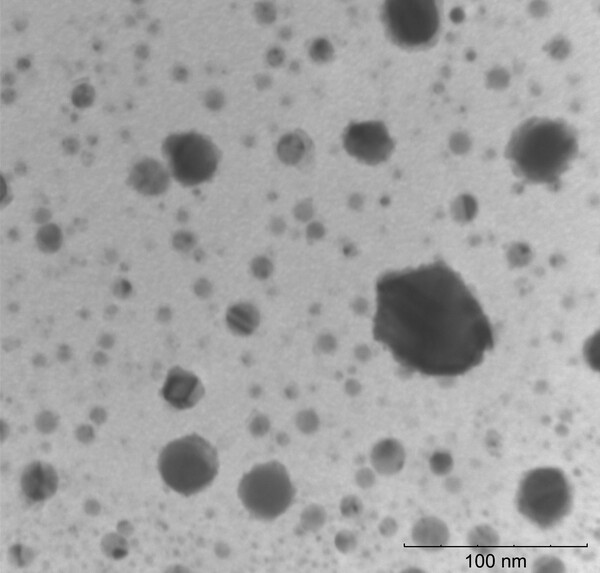
We hypothesize that berberine has broad-spectrum antibacterial properties, along with potency that is comparable to current broad-spectrum antibiotics that are commercially available. Here, we screened berberine against four strains of bacteria and evaluated its antimicrobial activity against five broad-spectrum antibiotics from different classes to better quantify berberine’s antibacterial activity and compare its efficacy as an antibacterial agent to the broad-spectrum antibiotics. Our results indicated that berberine had strain-selective cytotoxic effects and was significantly less potent than most of the broad-spectrum antibiotics

Read More...
Drosophila proteins as human surrogates for early drug discovery: Findings from detailed structural analysis

Shankar et al. | Oct 11, 2026

<i>Drosophila</i> proteins as human surrogates for early drug discovery: Findings from detailed structural analysis

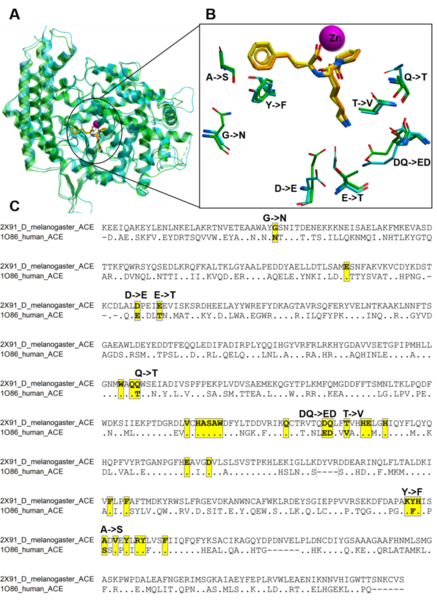
This study examines the possibility of utilizing proteins from Drosophila melanogaster in early drug discovery. Structural and sequence analysis of five diverse Drosophila proteins and its human homologs were conducted. Drosophila proteins with high conservation of amino acids at functionally significant positions are better candidates for use as human surrogate in drug discovery efforts.

Read More...

Substance Abuse Transmission-Impact of Parental Exposure to Nicotine/Alcohol on Regenerated Planaria Offspring

Bennet et al. | Jul 02, 2024

Substance Abuse Transmission-Impact of Parental Exposure to Nicotine/Alcohol on Regenerated Planaria Offspring

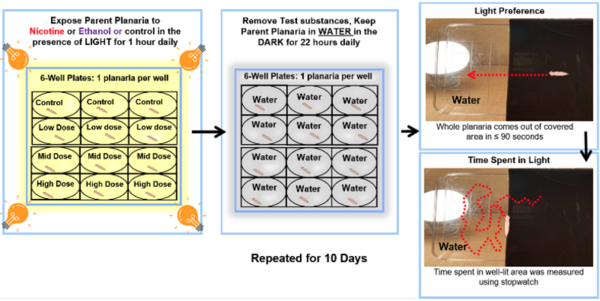
The global mental health crisis has led to increased substance abuse among youth. Prescription drug abuse causes approximately 115 American deaths daily. Understanding intergenerational transmission of substance abuse is complex due to lengthy human studies and socioeconomic variables. Recent FDA guidelines mandate abuse liability testing for neuro-active drugs but overlook intergenerational transfer. Brown planaria, due to their nervous system development similarities with mammals, offer a novel model.

Read More...

Transcriptomic profiling identifies differential gene expression associated with childhood abuse

Li et al. | Jul 23, 2024

Transcriptomic profiling identifies differential gene expression associated with childhood abuse
Image credit: The authors

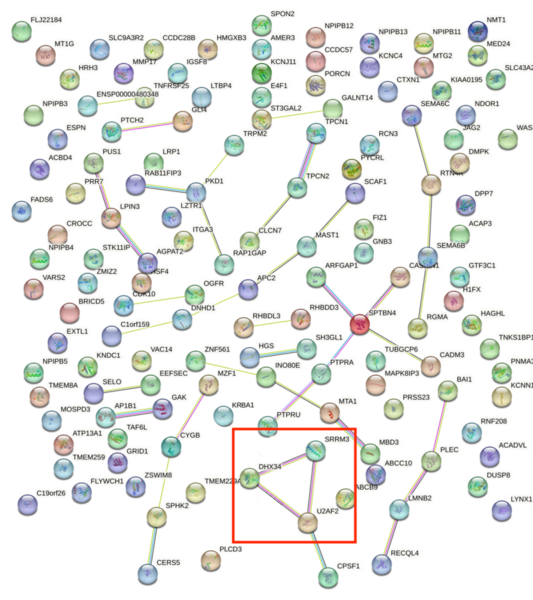
Childhood abuse has severe and lasting effects throughout an individual's life, and may even have long-term biological effects on individuals who suffer it. To learn more about the effects of abuse in childhood, Li and Yearwood analyze gene expression data to look for genes differentially expressed genes in individuals with a history of childhood abuse.

Read More...

Hybrid Quantum-Classical Generative Adversarial Network for synthesizing chemically feasible molecules

Sikdar et al. | Jan 10, 2023

Hybrid Quantum-Classical Generative Adversarial Network for synthesizing chemically feasible molecules

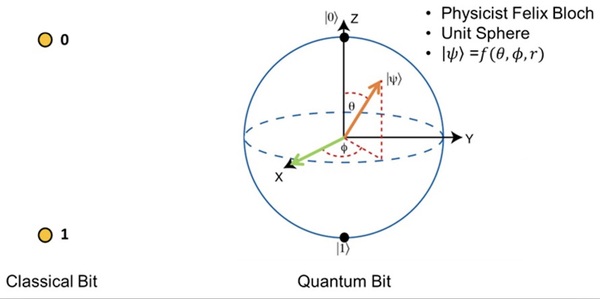
Current drug discovery processes can cost billions of dollars and usually take five to ten years. People have been researching and implementing various computational approaches to search for molecules and compounds from the chemical space, which can be on the order of 1060 molecules. One solution involves deep generative models, which are artificial intelligence models that learn from nonlinear data by modeling the probability distribution of chemical structures and creating similar data points from the trends it identifies. Aiming for faster runtime and greater robustness when analyzing high-dimensional data, we designed and implemented a Hybrid Quantum-Classical Generative Adversarial Network (QGAN) to synthesize molecules.

Read More...

Inhibiting the ERK pathway and the TRPM7 ion channel in gastric and bladder cancer cells

Yang et al. | Oct 14, 2021

Inhibiting the ERK pathway and the TRPM7 ion channel in gastric and bladder cancer cells

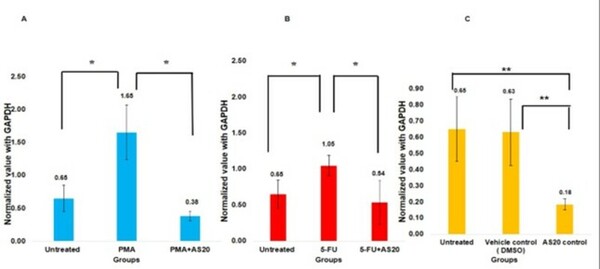
In this work the authors investigate new possible treatment methods for gastric and bladder cancers. They specifically targeted the transient receptor potential cation subfamily M member 7 (TRPM7), an ion channel that plays an important role in the survival of both of these cancers, and extracellular regulated kinases (ERKs),which contributes to the carcinogenesis of many cancers including gastric cancer. As a result, the authors consider the effects of Ginsenoside Rd, NS8593, curcumin, and icariin , known to inhibit TRPM7 and ERK. The authors found that these treatments decrease proliferation and induce apoptosis in studies of gastric and bladder cancer cells.

Read More...

Comparing Suturing And Stapling In Coronary Bypass Grafting Anastomosis

Levy et al. | Oct 13, 2014

Comparing Suturing And Stapling In Coronary Bypass Grafting Anastomosis

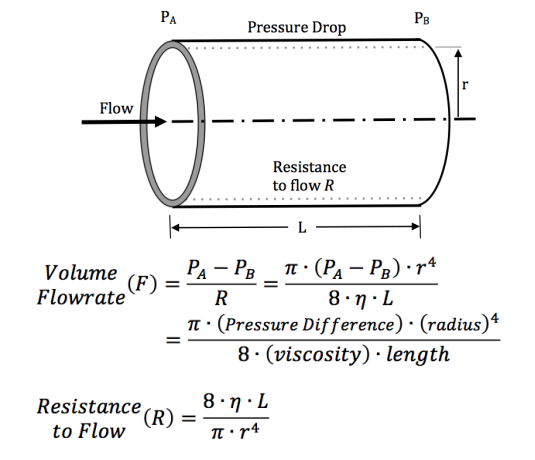
Coronary artery bypass grafts are a common technique to treat coronary heart disease. The authors compared the efficacy of suturing and stapling techniques using an artificial heart pump and silicone tubing and found that suturing, while more time and skill intensive, held pressure in the tubing better than stapling.

Read More...