Browse Articles

The effects of Helianthus Annuus on Amyotrophic Lateral Sclerosis using Drosophila Melanogaster

Srinivasan et al. | Oct 13, 2022

The effects of <em>Helianthus Annuus</em> on Amyotrophic Lateral Sclerosis using <em>Drosophila Melanogaster</em>

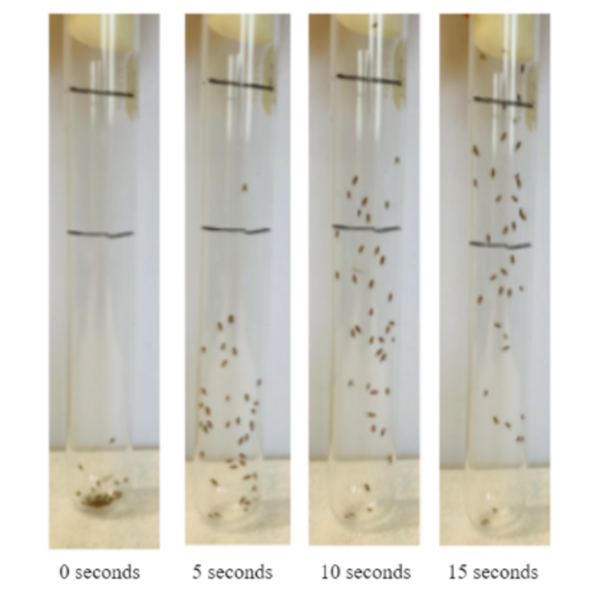
Amyotrophic lateral sclerosis (ALS) affects nearly 200,000 people worldwide and there is currently no cure. The purpose of the study was to determine if Helianthus annuus seeds helped reduce nerve degeneration and increase locomotion using Drosophila melanogaster as the model organism. Through this experiment, we found a general trend suggesting that H. annuus helped increase the mobility of the D. melanogaster suggesting it could be a viable supplement for patients with ALS.

Read More...

Simulating single versus cocktail antibiotic effects on the human gut microbiome

Patel et al. | Jul 19, 2026

Simulating single versus cocktail antibiotic effects on the human gut microbiome
Image credit: Volodymyr Hryshchenko

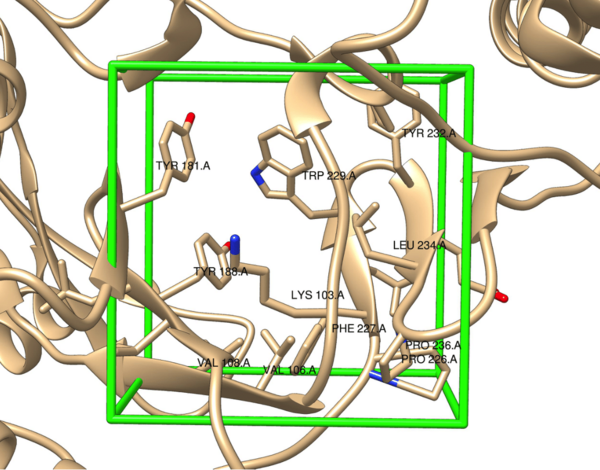
This study, uses SimulATe to model changes in microbial diversity and community structure upon administering a cocktail of antibiotics versus a single antibiotic. The authors hypothesized that antibiotic cocktails, particularly those combining broad-spectrum drugs like tetracyclines and trimethoprims, would cause a more significant reduction in gut microbial diversity compared to single-drug treatments. The findings confirmed a greater loss of microbial diversity with combinatorial treatments compared to single-drug treatments. While individual antibiotics dynamically reshaped the surviving species of the microbiome, antibiotic cocktails frequently cleared all species of the gut microbiome.

Read More...

Comparing Virulence of Three T4 Bacteriophage Strains on Ampicillin-Resistant and Sensitive E. coli Bacteria

Hudanich et al. | Dec 09, 2020

Comparing Virulence of Three T4 Bacteriophage Strains on Ampicillin-Resistant and Sensitive <em>E. coli</em> Bacteria

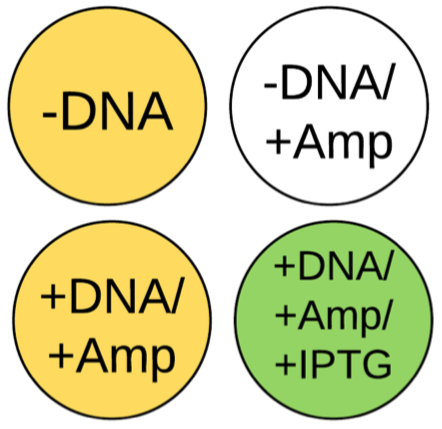
In this study, the authors investigate an alternative way to kill bacteria other than the use of antibiotics, which is useful when considering antibiotic-resistance bacteria. They use bacteriophages, which are are viruses that can infect bacteria, and measure cell lysis. They make some important findings that these bacteriophage can lyse both antibiotic-resistant and non-resistant bacteria.

Read More...

Effects of Prolonged Azithromycin Therapy on Bacterial Resistance to Functionally Analogous Antibiotics

Gibbs et al. | Dec 04, 2020

Effects of Prolonged Azithromycin Therapy on Bacterial Resistance to Functionally Analogous Antibiotics

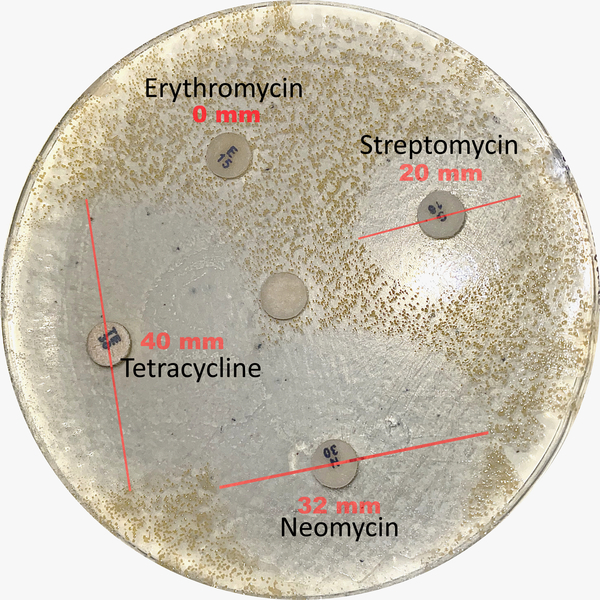
In this study, the authors investigate a potential case of cross antibiotic-resistance. Using swabs from an individual who received long-term treatments of azithromycin, they addressed the question of whether any bacteria in this individual might develop resistance to not only azithromycin, but also other antibiotics with similar structures. This study cleverly addresses the important issue of antibiotic resistance from a new and thoughtful approach.

Read More...