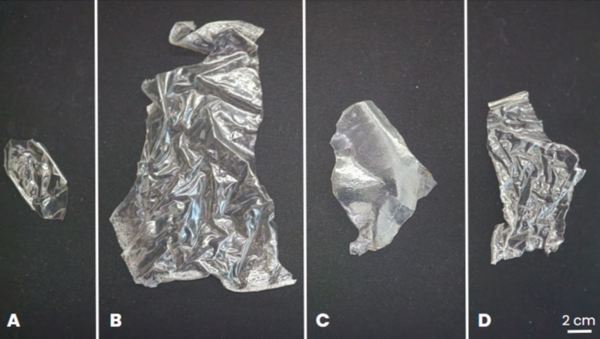
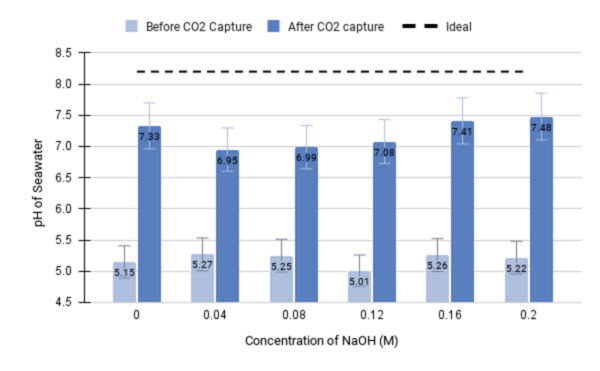
The authors looked at the development of biodegradable bioplastic and its features compared to PET packaging films. They were able to develop a biodegradable plastic with sodium alginate that dissolved in water and degrade in microbial conditions while also being transparent and flexible similar to current plastic films.
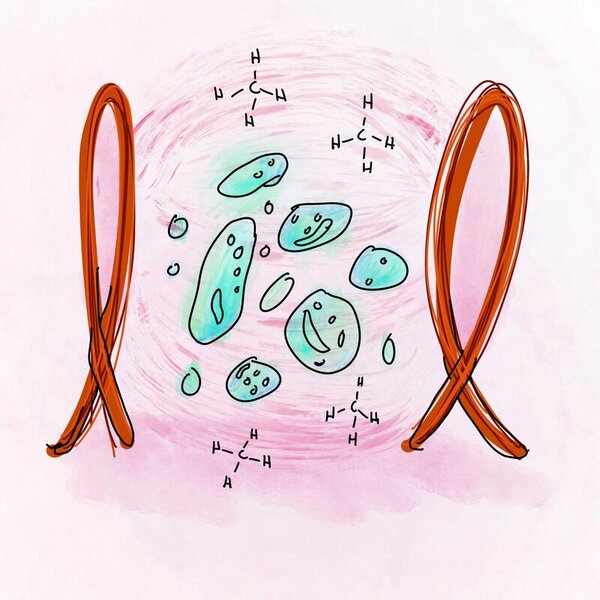
Scientist are investigating the use of methane-consuming bacteria to aid the growing problem of rising greenhouse gas emissions. While previous studies claim that low-frequency electromagnetic fields can accelerate the growth rate of these bacteria, Chu et al. demonstrate that this fundamental ideology is not on the same wavelength with their data.
Research relating to freshwater acidification is minimal, so the impact of aquatic plants, Anubias barteri var. congensis and Anubias barteri var. nana, on minimizing changes in pH was explored in an ecosystem in Northern California. Creek water samples, with and without the aquatic plants, were exposed to dry ice to simulate carbon emissions and the pH was monitored over an eight-hour period. There was a 25% difference in the observed pH based on molar hydrogen ion concentration between the water samples with plants and those without plants, suggesting that aquatic plants have the potential to limit acidification to some extent. These findings can guide future research to explore the viable partial solution of aquatic plants in combating freshwater acidification.
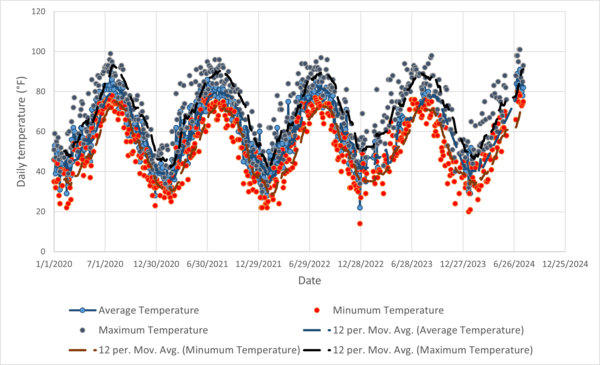
The authors studied the relationship between air quality and weather conditions (wind speed, precipitation, and temperature) in the Washington D.C. area.
Climate change is predicted to increase the frequency of severe thunderstorm events in coming years. In this study, the authors hypothesized that (i) the majority of severe thunderstorm events will occur in the summer months in all states examined for all years analyzed, (ii) climate change will cause an unusual number of severe thunderstorm events in winter months in all states, (iii) thundersnow would be observed in Colorado, and (iv.) there would be no difference in the number of severe thunderstorm events between states in any given year examined. They classified lightning seasons in all states observed, with the most severe thunderstorm events occurring in May, June, July, and August. Colorado, New Jersey, Washington, and West Virginia were found to have severe thunderstorm events in the winter, which could be explained by increased winter storms due to climate change (1). Overall, they highlight the importance of quantifying when lightning seasons occur to avoid lightning-related injuries or death.
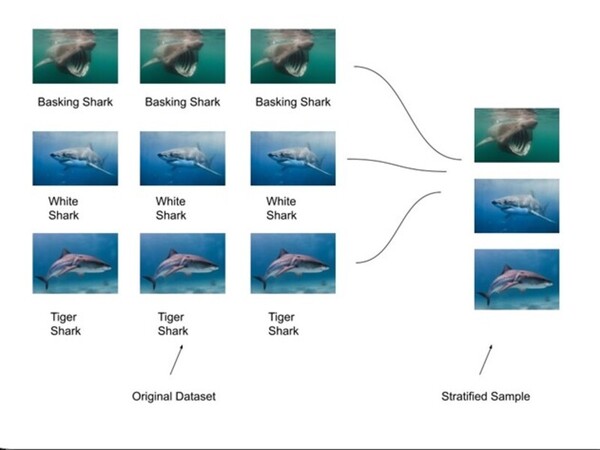
The challenge of accurately identifying shark species is crucial for biodiversity monitoring but is often hindered by time-consuming and labor-intensive manual methods. To address this, SharkNet, a CNN model based on AlexNet, achieved 93% accuracy in classifying shark species using a limited dataset of 1,400 images across 14 species. SharkNet offers a more efficient and reliable solution for marine biologists and conservationists in species identification and environmental monitoring.
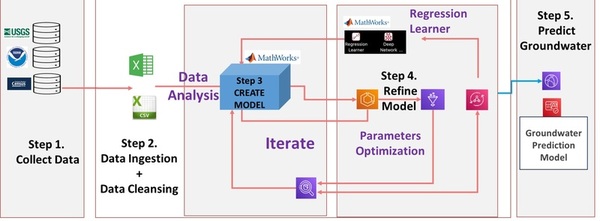
Here, in an effort to develop a model to predict future groundwater levels, the authors tested a tree-based automated artificial intelligence (AI) model against other methods. Through their analysis they found that groundwater levels in Texas aquifers are down significantly, and found that tree-based AI models most accurately predicted future levels.
In this study, the authors address the concerns of heavy metal contamination in industrial and feedlot water waste. They test whether added probiotics are capable of taking up heavy metals in water to attenuate pollution.