Browse Articles

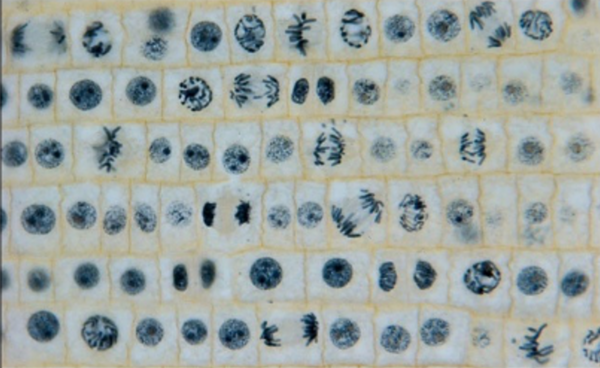
The Non-Thermal Effect of UV-B Irradiation on Onion Growth

Nashnoush et al. | Jun 09, 2020

The Non-Thermal Effect of UV-B Irradiation on Onion Growth

UV-B radiation due to the depletion of ozone threatens plant life, potentially damaging ecosystems and dismantling food webs. Here, the impact of UV-B radiation on the physiology and morphology of Allum cepa, the common onion, was assessed. Mitosis vitality decreased, suggesting UV-B damage can influence the plant’s physiology.

Read More...

The Effect of Radiant Energy on Radish Seed Germination

Simon et al. | Jul 06, 2018

The Effect of Radiant Energy on Radish Seed Germination

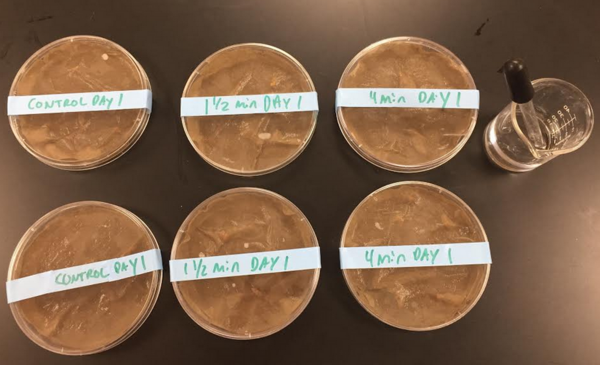
Simon and colleagues test how exposure to microwaves affect radish seed germination, either microwaving seeds for ninety seconds or four minutes prior to planting. Surprisingly, the authors found that seeds microwaved for four minutes exhibited 150% increased germination as compared to controls. The authors hypothesize that breakdown of the radish seed coat when exposed to heat may allow seedlings to sprout more efficiently.

Read More...

Talinum paniculatum root exhibits synergistic antimicrobial activity with Tetracycline, Erythromycin, and Streptomycin against S. aureus but has no observed effect on antibiotic efficacy against E. coli

Patel et al. | Jan 09, 2018

Talinum paniculatum root exhibits synergistic antimicrobial activity with Tetracycline, Erythromycin, and Streptomycin against S. aureus but has no observed effect on antibiotic efficacy against E. coli

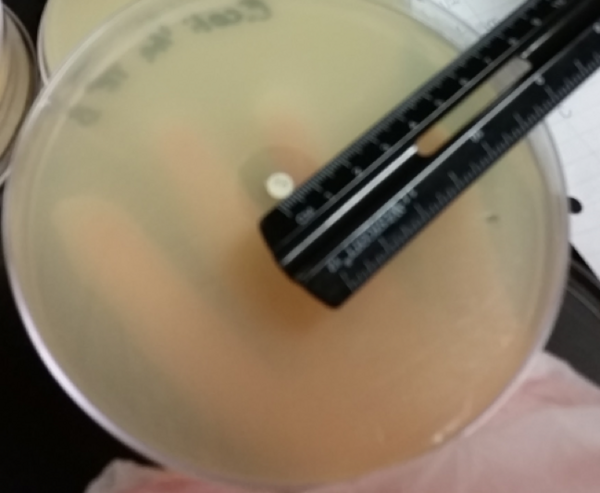
Patel et al. explore whether T. paniculatum plant extract can work with modern antibiotics to increase antibiotic efficacy against common disease-causing bacteria. The plant extract in conjunction with the antibiotic shows promise in battling S. aureus. The authors present a cost-effective method to increase antibiotic efficacy in a time where antibiotic resistant bacteria is becoming a growing problem.

Read More...

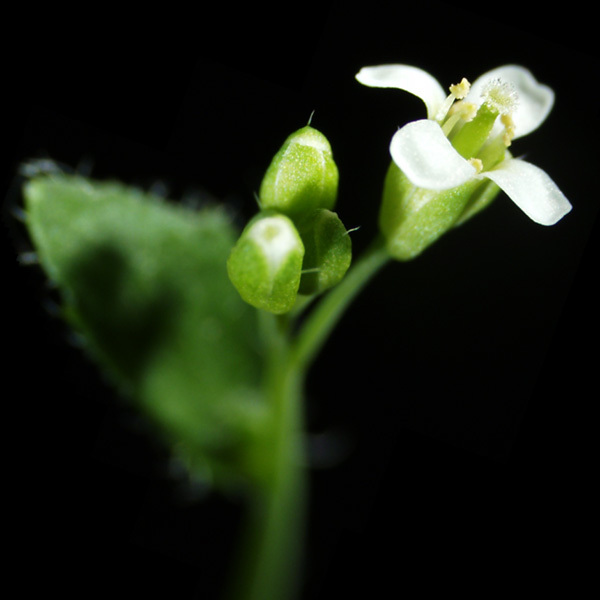
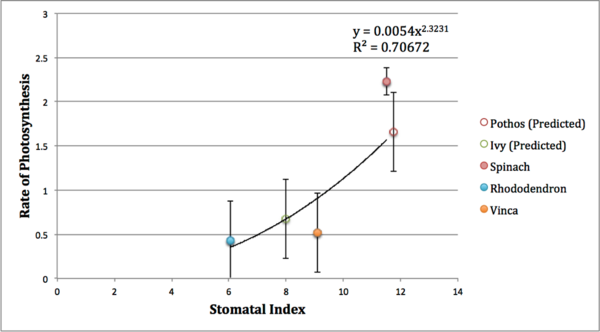
The Effect of the Stomatal Index on the Net Rate of Photosynthesis in the Leaves of Spinacia oleracea, Vinca minor, Rhododendron spp, Epipremnum aureum, and Hedera spp

Segev et al. | Nov 15, 2015

The Effect of the Stomatal Index on the Net Rate of Photosynthesis in the Leaves of <i>Spinacia oleracea</i>, <i>Vinca minor</i>, <i>Rhododendron spp</i>, <i>Epipremnum aureum</i>, and <i>Hedera spp</i>

The density of stomata, or stomatal index, in plant leaves is correlated with the plant's rate of photosynthesis, and affected by the plant's climate. In this paper, authors measure the stomatal index of five plant species to derive their rates of photosynthesis. These results could help track changes in plants' photosynthetic rates with changing climate.

Read More...

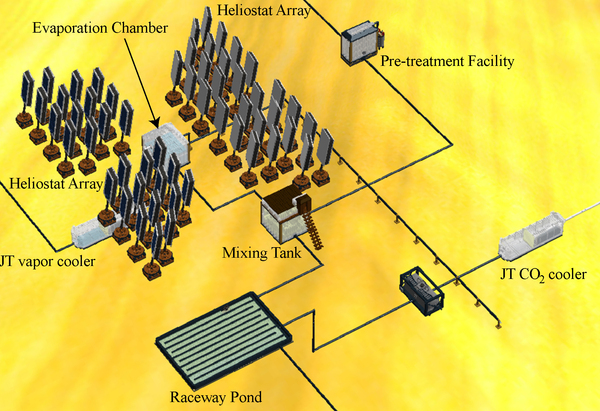
Towards an Integrated Solution for Renewable Water and Energy

Chen et al. | Jan 09, 2015

Towards an Integrated Solution for Renewable Water and Energy

An integrated plant that would generate energy from solar power and provide clean water would help solve multiple sustainability issues. The feasibility of such a plant was investigated by looking at the efficacy of several different modules of such a plant on a small scale.

Read More...

The optimization of high-protein duckweed cultivation in eutrophicated water with mutualistic bacteria

Akkarajeerawat et al. | Mar 18, 2025

The optimization of high-protein duckweed cultivation in eutrophicated water with mutualistic bacteria

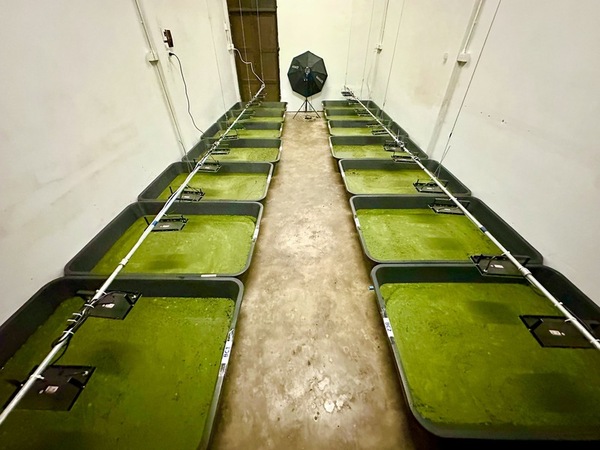
he rapid growth of the human population is driving food crises in Thailand and Southeast Asia, while contributing to global food insecurity and a larger carbon footprint. One potential solution is cultivating duckweed (Wolffia globosa) for consumption, as it grows quickly and can provide an alternative protein source. This research explored two methods to optimize duckweed cultivation: using phosphorus- and nitrogen-rich growing media and plant growth-promoting bacteria (PGPB).

Read More...

An exploration of western mosquitofish as the animal component in an aquaponic farming system

Medina et al. | Dec 03, 2024

An exploration of western mosquitofish as the animal component in an aquaponic farming system
Image credit: The authors

Aquaponics (the combination of aquatic plant farming with fish production) is an innovative farming practice, but the fish that are typically used, like tilapia, are expensive and space-consuming to cultivate. Medina and Alvarez explore other options test if mosquitofish are a viable option in the aquaponic cultivation of herbs and microgreens.

Read More...