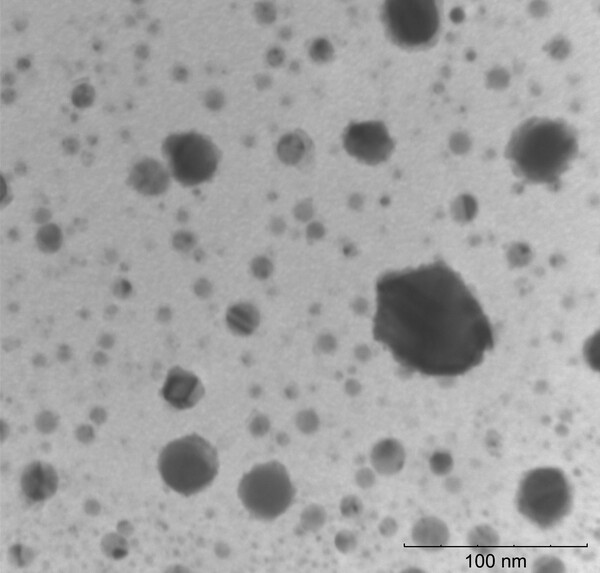
The authors propose a method to recycle Christmas tree needles into a non-toxic reducing agent for synthesizing copper nanoparticles.
Read More...Copper nanoparticle synthesis using Picea glauca ‘Conica’
The authors propose a method to recycle Christmas tree needles into a non-toxic reducing agent for synthesizing copper nanoparticles.
Read More...Ocean, atmosphere, and cloud quantity on the surface conditions of tidally-locked habitable zone planets

The authors assessed the atmospheric and oceanic parameters necessary for tidally-locked exoplanets to be habitable.
Read More...Canopy complexity and plant morphology determine detectability in multi-perspective drone imagery
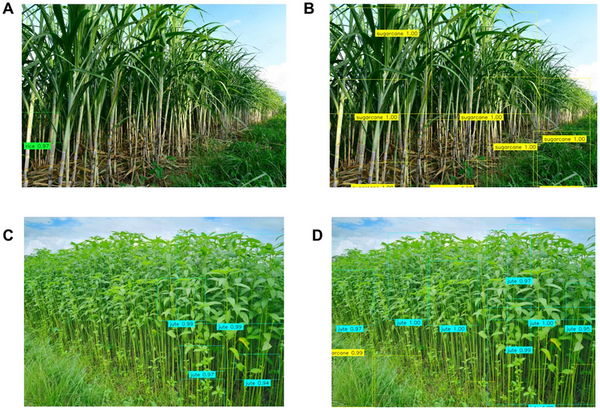
Multi-perspective drone imagery (adding oblique views to top-down shots) raised crop classification accuracy from 35.73% to 52.93% across five species. The improvement scaled with canopy complexity, from +4.2% for simple rice to +38.1% for structurally complex sugarcane.
Read More...Microbes Cultured from Garden Soil Positively Impact Seed Germination and Plant Growth

In this study, the authors investigate whether the addition of microbes from native soil enhanced the seed germination and growth of mung beans, pumpkins, and pea flower plants.
Read More...Effect Of SMC On The Growth Of Bean, Cherry Tomato And Roma Tomato Plant
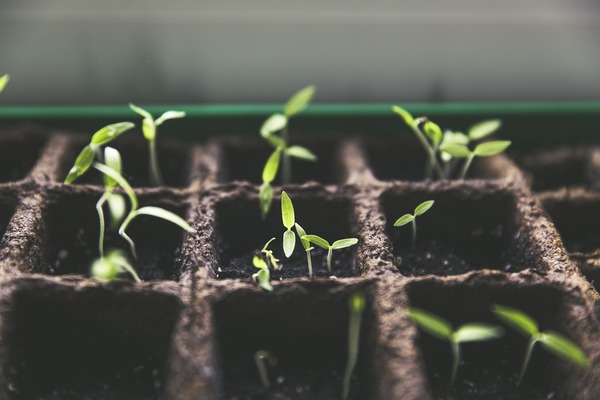
Mushroom compost, also called Spent Mushroom Substrate or Spent Mushroom Compost (SMC), is suitable for a variety of plants. Previous research has found that the application of SMC will increase plant growth. However, it is unclear which exact proportions of SMC and soil will maximize tomato and bean plant growth. We showed that the hypothesized growth media with 30% SMC optimizes seed germination, plant height, number of leaves, and survival rate compared to other combinations of growth media. Our research suggests that SMC is a useful alternative for conventional fertilizers.
Read More...Mathematical modeling of plant community composition for urban greenery plans

Here recognizing the importance of urban green space for the health of humans and other organisms, the authors investigated if mathematical modeling can be used to develop an urban greenery management plan with high eco-sustainability by calculating the composition of a plant community. They optimized and tested their model against green fields in a Beijing city park. Although the compositions predicted by their models differed somewhat from the composition of testing fields, they conclude that by using a mathematical model such as this urban green space can be finely designed to be ecologically and economically sustainable.
Read More...The effect of floating plant on water purification: Comparison of the water purification capability of Water Hyacinth, Duckweed, and Azolla
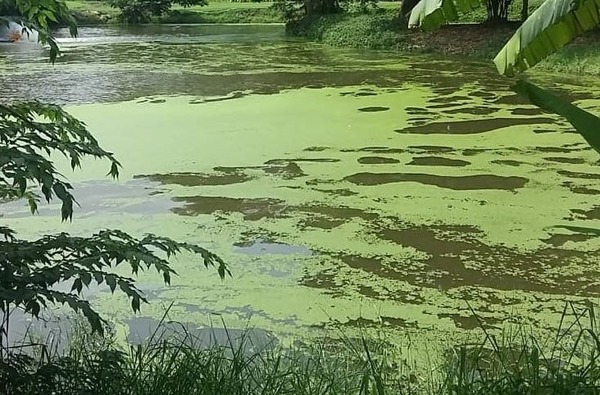
Clean water is a necessity for every household, yet water pollution is a serious problem in many parts of the world and plays a major role in compromising water security in the 21st century. In this paper, the authors address the utility of several plants as natural water purifiers. They estimate the effectiveness of duckweed, hyacinth, and azolla in improving the quality of water from the Mithi river in India by measuring several metrics. They conclude that all three plants are effective in improving water quality, suggesting that these plants as eco-friendly options for water treatment.
Read More...Electromagnetic Radiation From Electronics Does Affect Plant Growth
Plants are the main producers of oxygen and organic compounds. Ensuring the health of these organisms is vital, as recent technologies could be damaging them. The purpose of this study was to find out if electromagnetic (EM) radiation from electronics affects plant growth.
Read More...Analyzing the effect of mycorrhizal fungi on plant communication of nutrients
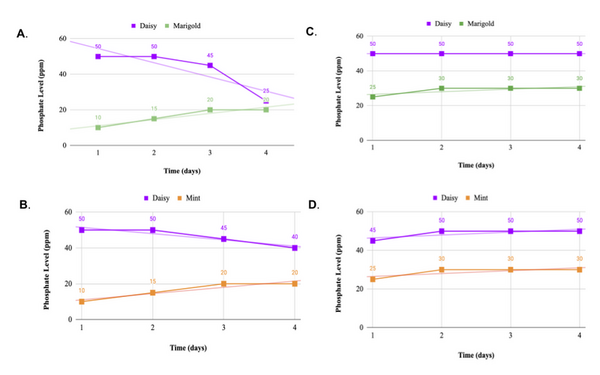
The authors looked at the ability of plants to transfer phosphate between each other through mycorrhizal fungi. Specifically, they looked at whether plants with excess phosphate would transfer this nutrient to other plants that had depleted levels of phosphate.
Read More...Polluted water tested from the Potomac River affects invasive species plant growth

Here recognizing the potential for pollution to impact the ecosystems of local waterways, the authors investigated the growth of tiger lilies, which are invasive to the Potomac River, in relation to the level of pollution. The authors report that increasing levels of pollution led to increased growth of the invasive species based on their study.
Read More...