Browse Articles

Integrated Ocean Cleanup System for Sustainable and Healthy Aquatic Ecosystems

Anand et al. | Nov 14, 2020

Integrated Ocean Cleanup System for Sustainable and Healthy Aquatic Ecosystems

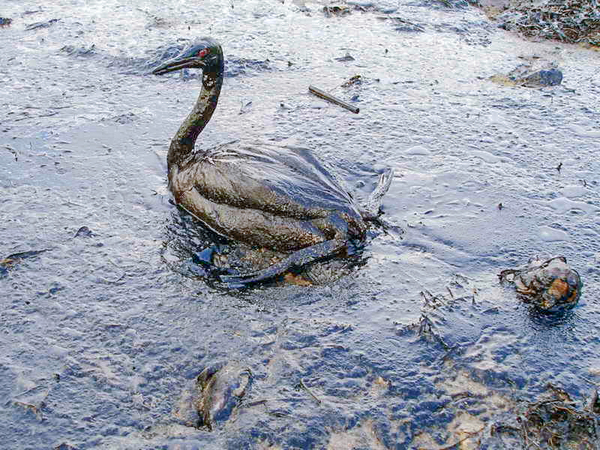
Oil spills are one of the most devastating events for marine life. Finding ways to clean up oil spills without the need for harsh chemicals could help decrease the negative impact of such spills. Here the authors demonstrate that using a combination of several biodegradable substances can effectively adsorb oil in seawater in a laboratory setting. They suggest further exploring the potential of such a combination as a possible alternative to commonly-used non-biodegradable substances in oil spill management.

Read More...
Herbal Extracts Alter Amyloid Beta Levels in SH-SY5Y Neuroblastoma Cells

Xu et al. | Feb 25, 2020

Herbal Extracts Alter Amyloid Beta Levels in SH-SY5Y Neuroblastoma Cells

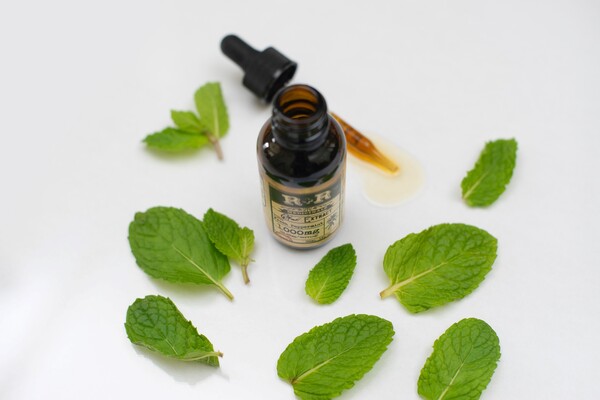
Alzheimer’s disease (AD) is a type of dementia that affects more than 5.5 million Americans, and there are no approved treatments that can delay the advancement of the disease. In this work, Xu and Mitchell test the effects of various herbal extracts (bugleweed, hops, sassafras, and white camphor) on Aβ1-40 peptide levels in human neuroblastoma cells. Their results suggest that bugleweed may have the potential to reduce Aβ1-40 levels through its anti-inflammatory properties.

Read More...

Ladder Fuel Treatments Effect Burn Area of Forest Fires in Semi-Arid High Elevation Climates

Schwartz et al. | Oct 05, 2020

Ladder Fuel Treatments Effect Burn Area of Forest Fires in Semi-Arid High Elevation Climates

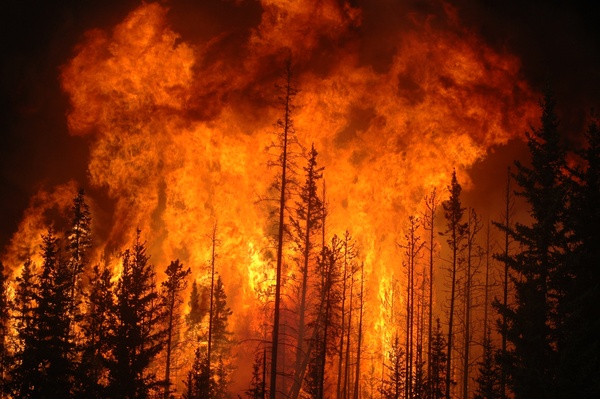
In this study, the authors investigate a timely and important topic: forest fires. More specifically, they use a wildfire simulator to test how ladder fuels effect the burn area of a forest fire. Ladder fuels are fuels that cause a forest fire to rise up from the forest floor to the canopy, which may affect the overall spread. They simulated fire spread with different levels of ladder fuel treatment and found that the spread of a burn area would indeed decrease with increased ladder fuel treatment. These findings have important implications for forest and forest fire management.

Read More...

Different volumes of acetic acid affect the oxygen production of spinach leaves during photosynthesis

Wang et al. | Feb 24, 2023

Different volumes of acetic acid affect the oxygen production of spinach leaves during photosynthesis

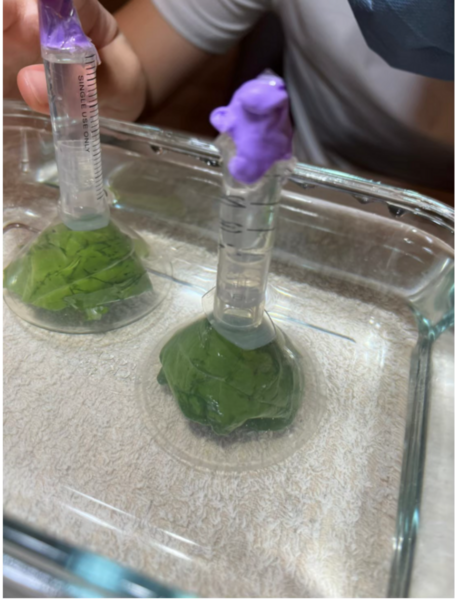
The burning of fossil fuels, leading to an increased amount of carbon emissions, is the main cause of acid rain. Acid rain affects the process of photosynthesis, which makes the topic valuable to investigate. Our group utilizes plants to further investigate the relationship between pH value and photosynthesis. In this experiment, our group hypothesized that rain with a lower pH will decrease the rate of photosynthesis, causing less oxygen to be produced in the reaction.

Read More...

A comparative study on the suitability of virtual labs for school chemistry experiments

Praveen et al. | Aug 22, 2022

A comparative study on the suitability of virtual labs for school chemistry experiments

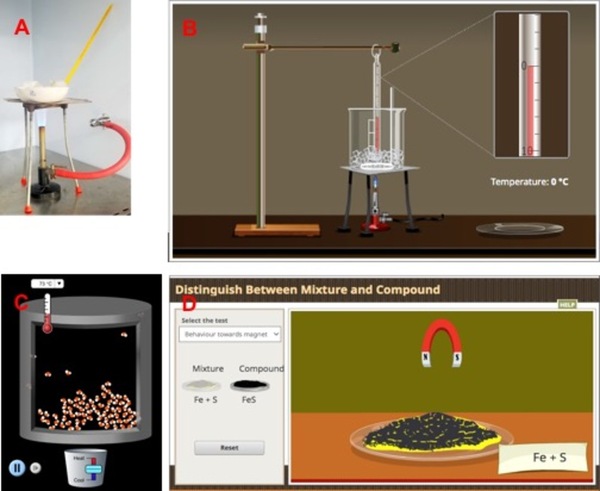
Virtual labs have been gaining popularity over the last few years, especially during the worldwide lockdown due to the COVID-19 pandemic. In this study, the suitability of virtual labs for school chemistry experiments is addressed and their effectiveness is compared to traditional physical lab experiments by focusing on physical and human resources, convenience, cost, safety, and time involved as well as topic "matter".

Read More...

Zinc-related Treatments Combined with Chloroquine and Gemcitabine for Treating Pancreatic Cancer

Ma et al. | Sep 11, 2021

Zinc-related Treatments Combined with Chloroquine and Gemcitabine for Treating Pancreatic Cancer

Pancreatic cancer is one of the deadliest cancers, with a 10% 5-year survival rate. The authors studied various dosages of TPEN and zinc in combination with Chloroquine and Gemcitabine as treatments to reduce cell proliferation. Results showed that when combined with Chloroquine and Gemcitabine, zinc and TPEN both significantly lowered cell proliferation compared to Gemcitabine, suggesting a synergistic effect that resulted in a more cytotoxic treatment. Further research and clinical trials on this topic are needed to determine whether this could be a viable treatment for pancreatic cancer.

Read More...

The Impact of the COVID-19 Pandemic on Mental Health of Teens

Qureshi et al. | Nov 19, 2020

The Impact of the COVID-19 Pandemic on Mental Health of Teens

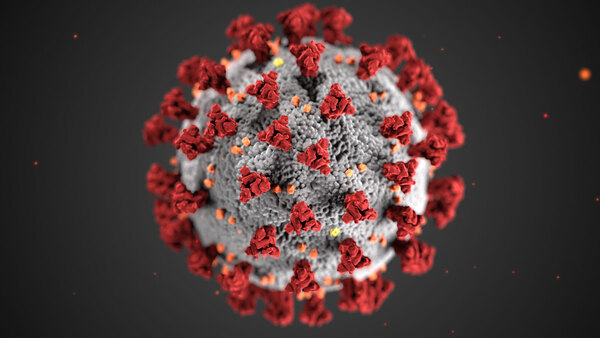
In this study, the authors investigate whether the COVID-19 pandemic is affecting the mental health of teens. Using data from a study done in Islamabad, Pakistan, the authors find that many teens between the ages of 13 and 19 show signs of mental illness. This study reports important data regarding the mental health of youth and points toward an increased need to address this topic during the pandemic.

Read More...

Evaluating Biomarkers and Treatments for Acute Kidney Injury in a Zebrafish Model

Mathew et al. | Aug 11, 2019

Evaluating Biomarkers and Treatments for Acute Kidney Injury in a Zebrafish Model

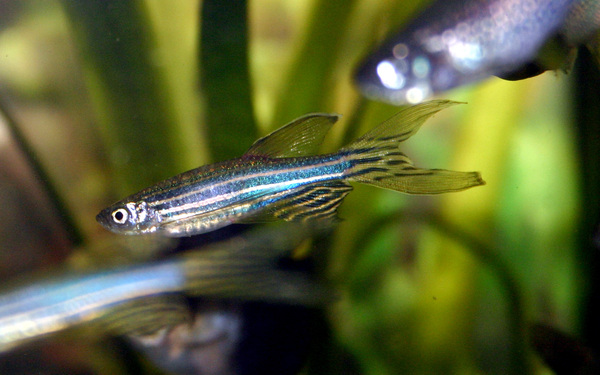
Coronary Artery Disease (CAD) is the leading cause of death in the United States, and 81% of Acute Kidney Injury (AKI) patients in the renal fibrosis stage later develop CAD. In this study, Mathew and Joykutty aimed to create a cost-effective strategy to treat AKI and thus prevent CAD using a model of the zebrafish, Danio rerio. They first tested whether AKI is induced in Danio rerio upon exposure to environmental toxins, then evaluated nitrotyrosine as an early biomarker for toxin-induced AKI. Finally, they evaluated 4 treatments of renal fibrosis, the last stage of AKI, and found that the compound SB431542 was the most effective treatment (reduced fibrosis by 99.97%). Their approach to treating AKI patients, and potentially prevent CAD, is economically feasible for translation into the clinic in both developing and developed countries.

Read More...