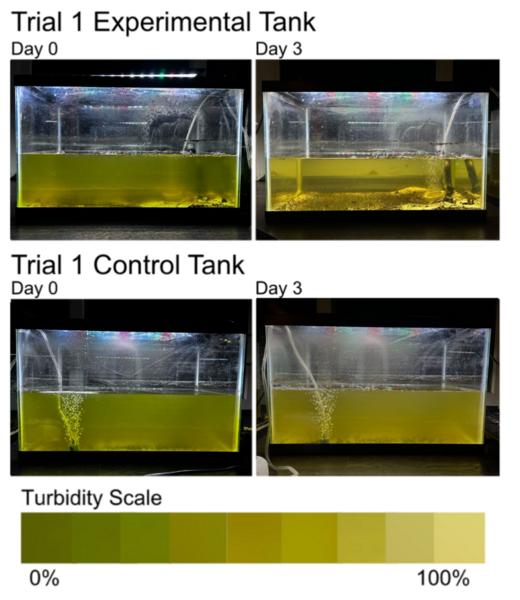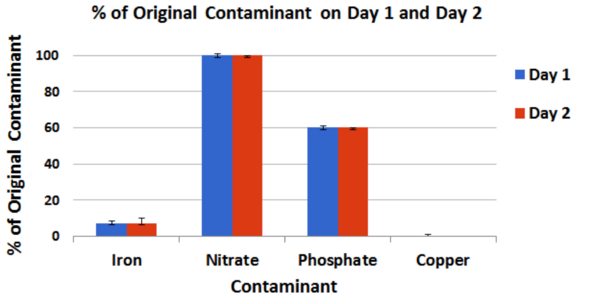
The authors test the ability of aloe vera gel to purify water of four separate contaminants. Aloe reduced the levels of copper, iron, and phosphate, but not nitrate. Potential applications of this purification system are discussed.
Read More...Purification of Water by Aloe
The authors test the ability of aloe vera gel to purify water of four separate contaminants. Aloe reduced the levels of copper, iron, and phosphate, but not nitrate. Potential applications of this purification system are discussed.
Read More...Dispersing Agents Prevent Negative Impact of Oil on Uptake of Zinc by Duckweed (Lemna minor)
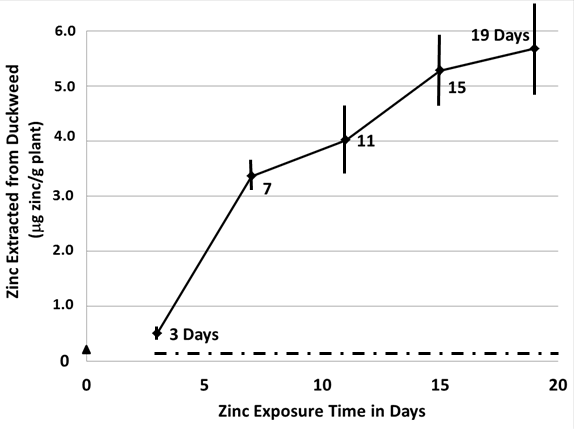
Duckweed plays an important role in its aquatic environment by removing pollutants, such as zinc, from the water. In this study, the authors demonstrate that uptake of zinc by duckweed is inhibited by the presence of oil in the water, but this effect can be reversed with the addition of a dispersing agent.
Read More...Innovative use of recycled textile fibers in building materials: A circular economy approach
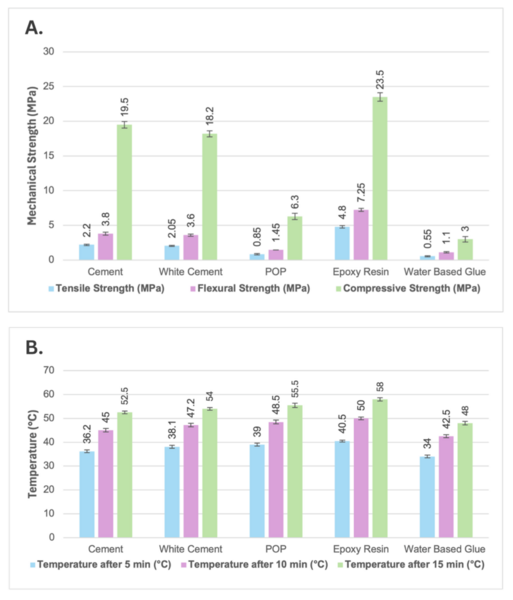
Textile waste from the fashion industry is a major environmental pollutant, but recycling waste into novel building material is a strategy to reduce the negative effects. This manuscript characterized five different binders that can be used to repurpose textile waste into bricks for construction purposes. Water-based glue, cement, white cement, plaster of Paris, and epoxy resin were mixed with shredded textile waste, and the mechanical characteristics and thermal insulation of each brick type were measured. Bricks with increased mechanical strength had the poorest thermal resistance, and the contrasting properties would suit different building purposes. This work provides a first step in generating recycled textile bricks for construction in a circular economy framework.
Read More...A low-cost method for purification of agricultural wastewater based on S. platensis
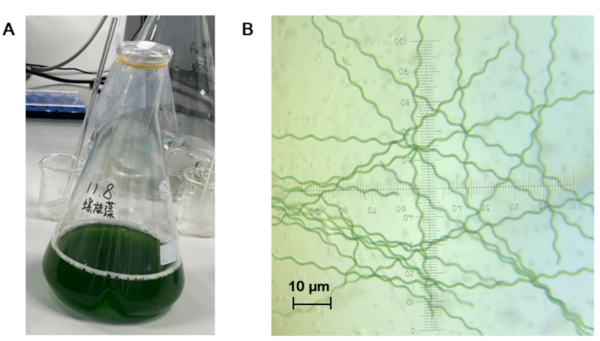
The authors looked at the ability of Spirulina platensis to reduce contaminants in wastewater in order to develop a more accessible treatment option. They found that S platensis did reduce the concentration of pollutants present within simulated agricultural wastewater.
Read More...Legacy mercury, reservoir dynamics, and dredging effects on methylmercury in San Francisco Bay
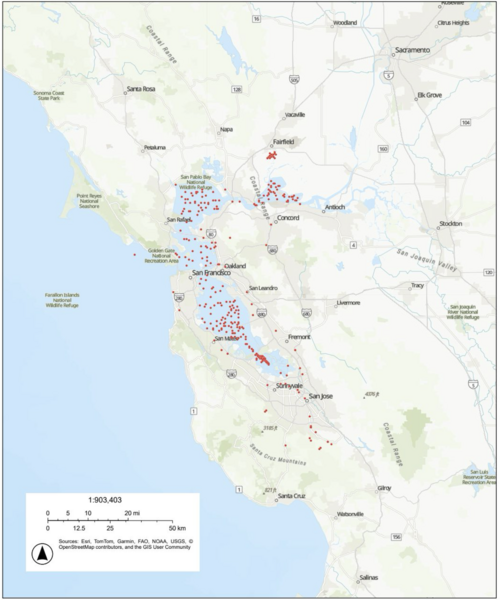
This study analyzes over two decades of monitoring data (1999-2022) to investigate how legacy mining, reservoir water releases, and dredging activities influence toxic methylmercury (MeHg) levels in San Francisco Bay. The findings reveal a significant delayed correlation between river flow and San Francisco Bay MeHg, and counter to the authors' hypothesis, a strong association between increased MeHg concentrations in the bay and both total annual dredging volume and beneficial sediment reuse / upland sediment disposal.
Read More...Comparative life cycle analysis: Solvent recycling and improved dewatering scenarios in PHB plastic production
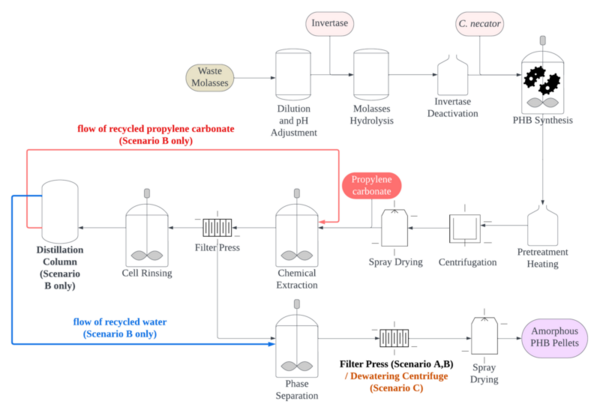
The authors looked at alternative production processes for PHB plastic in an effort to reduce environmental impact. They found that no alternative process was able to significantly decrease the environmental impact of PHB production, but that optimizing dewatering steps during production could lead to the largest improvement on environmental impact.
Read More...Evaluating the filtration efficiency and water quality impact of Corbicula javanicus
Water tubing injury patterns among different demographics: A NEISS study
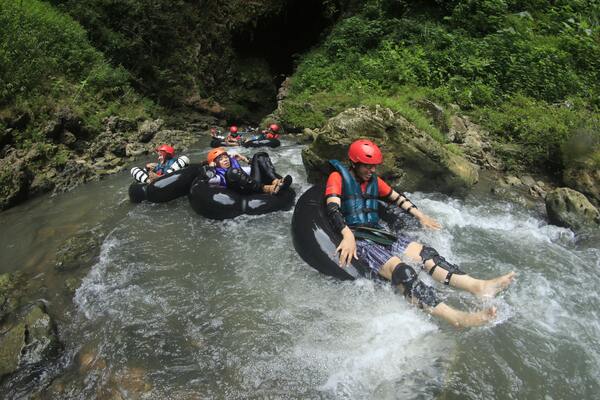
The authors looked at how injuries sustained during water tubing, that require treatment at an emergency department, differ between males and females.
Read More...Analysis of electrodialysis as a method of producing potable water
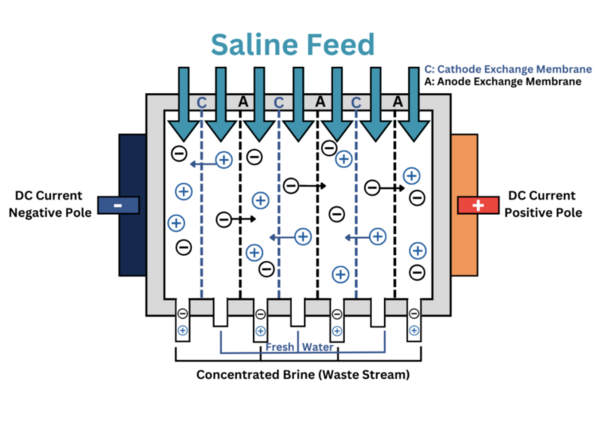
Here, seeking a way to convert the vast quantity of seawater to drinking water, the authors investigated the purification of seawater to drinking water through electrodialysis. Using total dissolved solids (TDS) as their measure, they found that electrodialysis was able to produce deionized water with TDS values under the acceptable range for consumable water.
Read More...Heavy metal and bacterial water filtration using Moringa oleifera and coconut shell-activated carbon
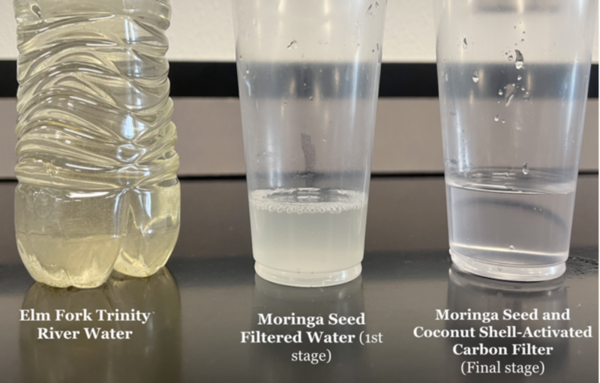
One-third of the world's people do not have access to clean drinking water. Nadella and Nadella tackle this issue by testing a low-cost filtration system for removing heavy metal and bacteria from water.
Read More...