The study examined whether high school boys’ water polo teams located near strong programs had similar season performances during the 2024–2025 season.
Read More...Geographic proximity to strong competitors and team performance in high school water polo
The study examined whether high school boys’ water polo teams located near strong programs had similar season performances during the 2024–2025 season.
Read More...Effects of plant-derived smoke water on germination and growth in stressed plants
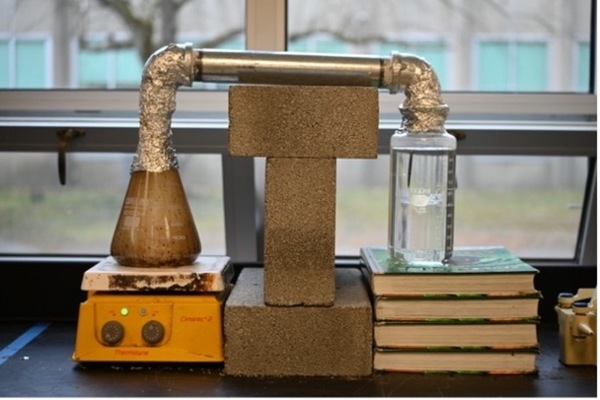
Here the authors investigated the potential of plant-derived smoke water to mitigate the negative impacts of abiotic stressors, such as heat, salinity, and water fluctuations, on the germination and growth of various agricultural crops. Their findings suggest that smoke water, specifically from buckwheat, pea, and radish, significantly improves plant resilience against drought and excessive water stress, offering a viable strategy to bolster food security in the face of climate change.
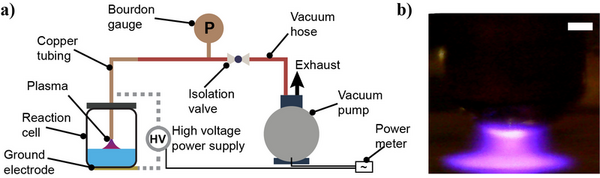
Read More...Nonthermal nitrogen fixation with air and water by using a low-pressure plasma
Increasing CO2 levels in water decrease the hatching success of brine shrimp
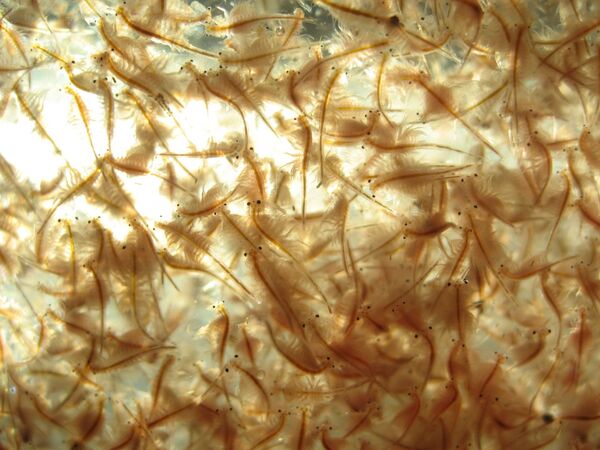
As atmospheric carbon dioxide (CO2) levels rise, ocean acidification poses a growing threat to marine ecosystems. To better understand these changes, this study investigates how varying CO2 levels influence the growth of brine shrimp. The findings offer important insights into the resilience of aquatic life and the broader implications of environmental change.
Read More...Milkweed sustainability in the Sonoran Desert: A. erosa is more water-efficient compared to two other species
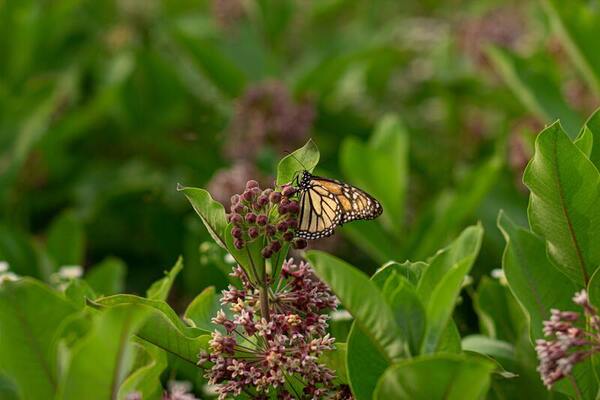
This study assesses the capacity for milkweed species, an important host plant for Monarch butterflies, to grow in desert environments with different water levels.
Read More...Motion tracking and analysis of spray water droplets studied by high-speed photography using an iPhone X

Smartphones are not only becoming an inseparable part of our daily lives, but also a low-cost, powerful optical imaging tool for more and more scientific research applications. In this work, smartphones were used as a low-cost, high-speed, photographic alternative to expensive equipment, such as those typically found in scientific research labs, to accurately perform motion tracking and analysis of fast-moving objects. By analyzing consecutive images, the speed and flight trajectory of water droplets in the air were obtained, thereby enabling us to estimate the area of the water droplets landing on the ground.
Read More...The relationship between macroinvertebrates, water quality, and the health of Stevens Creek
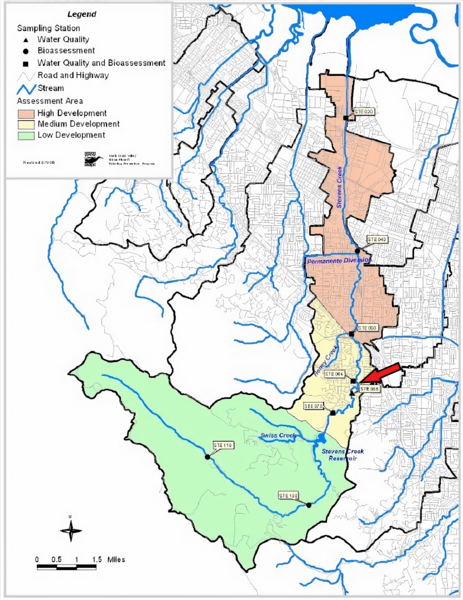
Stevens Creek, which flows through Santa Clara County in California, provides a crucial habitat for federally designated threatened steelhead trout, with a portion of the trout’s diet being dependent on the presence and abundance of macroinvertebrates that inhabit the creek. In this article, the authors investigate how the water chemistry within the creek was associated with the abundance and diversity of macroinvertebrates, and subsequently the creek’s health. They conduct qualitative analysis of macroinvertebrates and water quality to obtain a general understanding of the health of Stevens Creek.
Read More...Effects of airport runoff pollution on water quality in bay area sites near San Francisco and Oakland airports
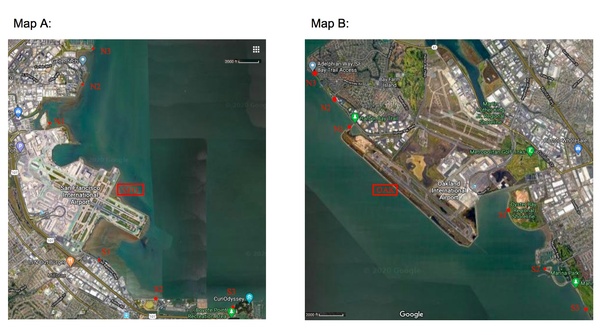
In this study, the authors sample water at different points closer and closer to two different airports to determine if these airports may be contributing to water pollution, specifically by measuring metals, nitrates, and pH.
Read More...The external presence of running water influences the root growth of pea plants (Phaselous vulgaris)
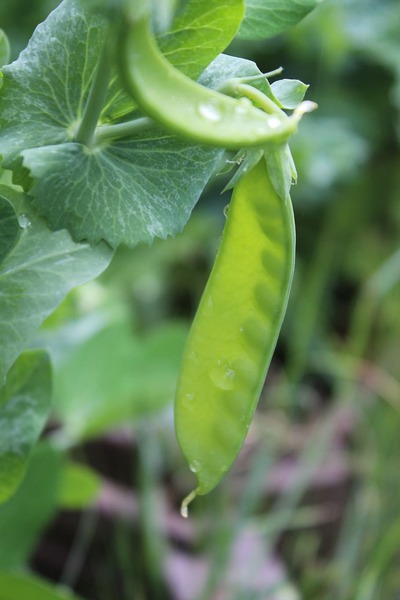
Each year, invasive tree roots cause large amounts of damage to underground pipes. While this is usually due to leaks and cracks, tree roots can also invade pipes that are structurally sound. We are interested in investigating whether plant roots have an affinity towards flowing water, measured through mass, even when the running water is not in direct contact with soil. We tested this by creating a choice chamber with water running under one end and no stimulus on the other end. Overall, the masses of the roots growing towards flowing water were greater than the masses of the roots growing towards the end with no stimulus, showing that plant roots did have an affinity towards flowing water.
Read More...Comparing the Voltage Output of Water in Drop and Flow Form Using a Piezoelectric Sensor and Hydroelectric Turbine
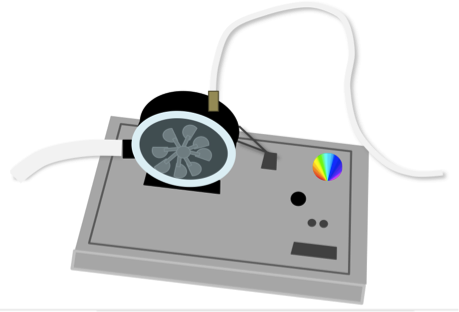
This study compares the voltage output of two potential alternative energy sources: water drops hitting a piezoelectric surface and water flowing through a hydroelectric turbine. The findings of this study suggest that harnessing kinetic energy from falling raindrops may be a viable alternative energy source.
Read More...