Browse Articles

Investigating the effects of glucose reintroduction on acutely starved HeLa cells

Puduru et al. | Jul 05, 2026

Investigating the effects of glucose reintroduction on acutely starved HeLa cells

Cancer cells rely heavily on glycolysis, but how they respond when glucose is reintroduced after acute starvation is not well understood. Using fluorescence lifetime imaging microscopy, students tracked metabolic changes in HeLa cells and found a rapid shift toward glycolysis within 20 minutes of glucose reintroduction, followed by heterogeneous recovery toward oxidative phosphorylation. These results highlight metabolic flexibility and variability in cancer cells, offering insights relevant to treatment resistance and therapeutic design.

Read More...

A five-year retrospective analysis of Tuberculosis risk factors and their variability in the United States

Kini et al. | Mar 14, 2026

A five-year retrospective analysis of Tuberculosis risk factors and their variability in the United States
Image credit: Kini, Diaz Gaviria, Diaz, and Kini

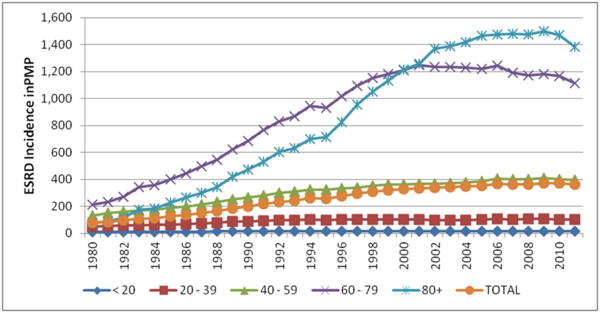
The main goal of this study is to determine what demographics are related to tuberculosis incidence in the United States populations, particularly if changing demographics are related to differences in tuberculosis risk over two discrete time periods. The major finding is that in the two studied time periods, tuberculosis risk factors were somewhat consistent and may be influenced by things such as immigration, healthcare access, and race or ethnicity, although the top predictor did change.

Read More...

Innovative use of recycled textile fibers in building materials: A circular economy approach

Gupta et al. | Feb 19, 2026

Innovative use of recycled textile fibers in building materials: A circular economy approach
Image credit: Gupta and Gupta

Textile waste from the fashion industry is a major environmental pollutant, but recycling waste into novel building material is a strategy to reduce the negative effects. This manuscript characterized five different binders that can be used to repurpose textile waste into bricks for construction purposes. Water-based glue, cement, white cement, plaster of Paris, and epoxy resin were mixed with shredded textile waste, and the mechanical characteristics and thermal insulation of each brick type were measured. Bricks with increased mechanical strength had the poorest thermal resistance, and the contrasting properties would suit different building purposes. This work provides a first step in generating recycled textile bricks for construction in a circular economy framework.

Read More...