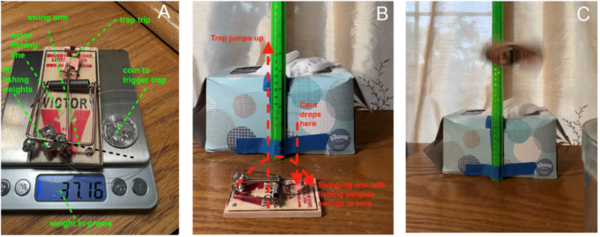
The authors use the unique movements of the jumping gall wasp to study momentum transfer with potential applications in robotics and extraterrestrial research.
Read More...Investigating momentum transfer with gall-forming wasps
The authors use the unique movements of the jumping gall wasp to study momentum transfer with potential applications in robotics and extraterrestrial research.
Read More...Near-infrared activation of environmentally-friendly gold and silver nanoparticles for unclogging arteries
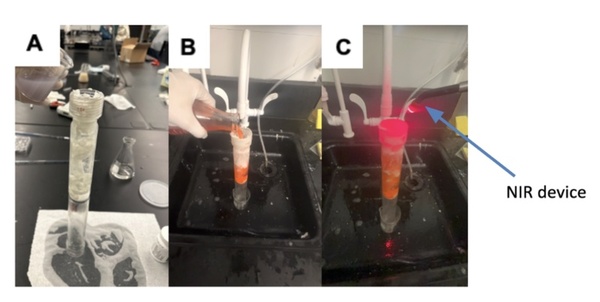
Coronary artery disease, the leading cause of death worldwide, results from cholesterol build-up in coronary arteries, limiting blood and oxygen flow to the heart. This study investigated the use of gold and silver nanoparticles coated with aspirin and activated by near-infrared light to improve blood flow in a clogged artery model. The nanoparticles increased simulated blood flow rates, demonstrating potential as a less invasive and more targeted treatment for cardiovascular disease.
Read More...Evaluation of the causality between testosterone, obesity, and diabetes
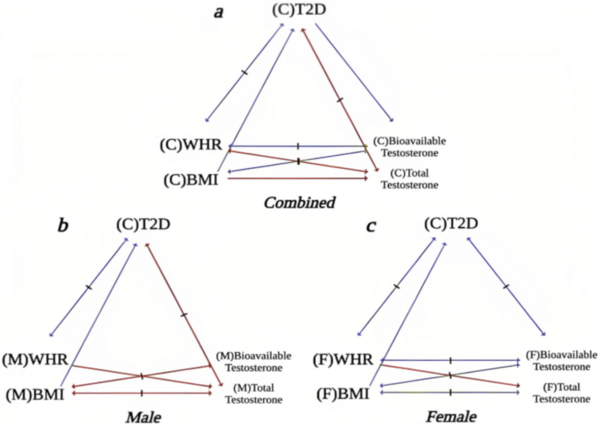
The study explored the role of testosterone beyond its well-established effects on male sex characteristics, focusing on its association with non-communicable diseases (NCDs) like obesity and type 2 diabetes (T2D), using Mendelian randomization (MR) analysis on genomic data.
Read More...Entropy-based subset selection principal component analysis for diabetes risk factor identification
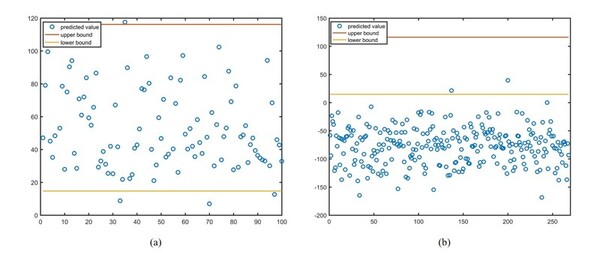
In this article, the authors looked at developing a strategy that would allow for earlier diagnosis of Diabetes as that improves long-term outcomes. They were able to find that BMI, tricep skin fold thickness, and blood pressure are the risk factors with the highest accuracy in predicting diabetes risk.
Read More...The effects of algaecides on Spirulina major and non-target organism Daphnia magna
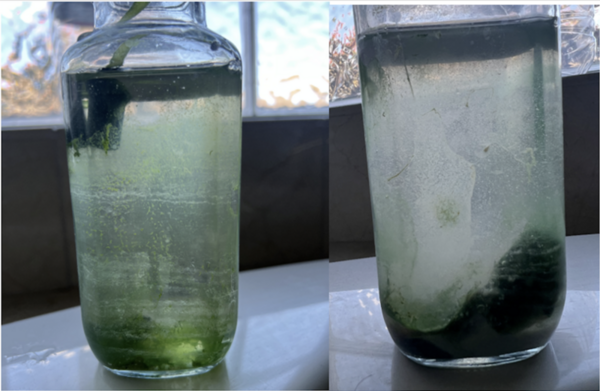
Algal blooms pose a threat to ecosystems, but the methods used to combat these blooms might harm more than just the algae. Halepete, Graham, and Lowe-Schmahl demonstrate negative effects of anti-algae treatments on a cyanobacterium (Spirulina major), and the water fleas (Daphnia magna) that live alongside these cyanobacteria.
Read More...Modeling the heart’s reaction to narrow blood vessels
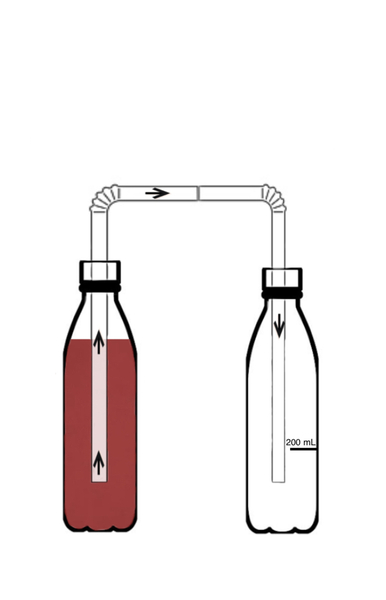
Cardiovascular diseases are the largest cause of death globally, making it a critical area of focus. The circulatory system is required to make the heart function. One component of this system is blood vessels, which is the focus of our study. Our work aims to demonstrate the numeric relationship between a blood vessel's diameter and the number of pumps needed to transport blood.
Read More...Indole-3 carbinol on lipid accumulation in Caenorhabditis elegans as a novel therapeutic for Type II Diabetes
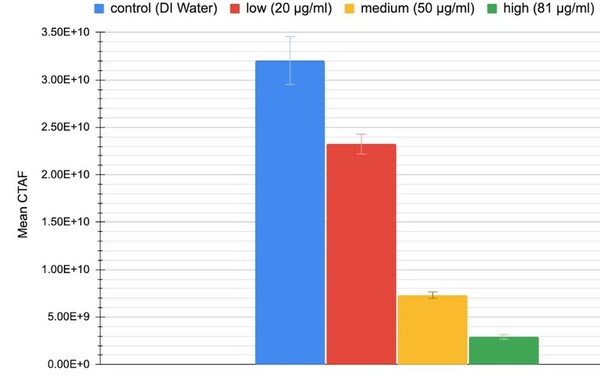
In this study the authors look at the use of Indole 3 Carbinol as a treatment for Type II Diabetes finding that it may be an effective treatment.
Read More...Assessing CDK5 as a Nanomotor for Chemotactic Drug Delivery
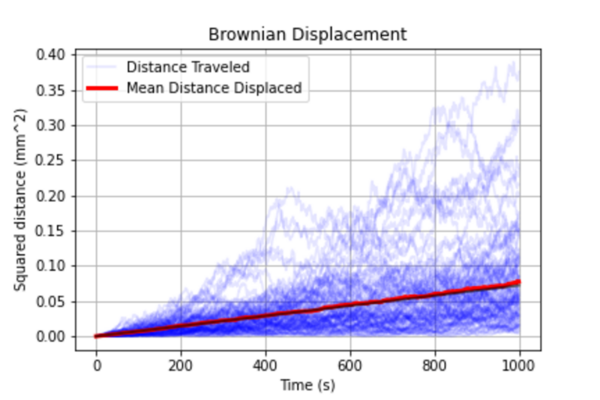
Enzyme chemotaxis is a thermodynamic phenomenon in which enzymes move along a substrate concentration gradient towards regions with higher substrate concentrations and can be used to steer nanovehicles towards targets along natural substrate concentrations. In patients with Alzheimer’s disease, a gradient of tau protein forms in the bloodstream. Tau protein is a substrate of the enzyme CDK5, which catalyzes the phosphorylation of tau protein and can travel using chemotaxis along tau protein gradients to increasing concentrations of tau and amyloid-beta proteins. The authors hypothesized that CDK5 would be able to overcome these barriers of Brownian motion and developed a quantitative model using Michaelis-Menten kinetics to define the necessary parameters to confirm and characterize CDK5’s chemotactic behavior to establish its utility in drug delivery and other applications.
Read More...Biofortification of Raphanus sativus through irrigation with Ca2+ solutions does not increase calcium content
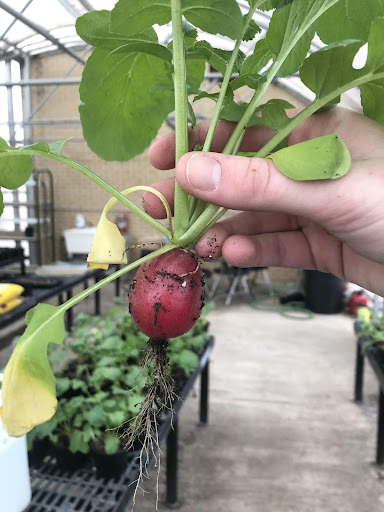
This study is centered around developing biofortification methods: the authors test whether the amount of calcium available to growing crops translates into more calcium present in the crops.
Read More...Attitudes towards mental health in Indians who practice yoga regularly and those who do not

Whether it is through implicit association or intentional practice, yoga has been known to help individuals maintain good mental health. However, many communities, such as South Asian communities, often project the stereotype that embodies neglecting topics such as mental health and considering them taboo. In this online survey-based study, the authors focused on examining whether yoga would alter individuals’ attitudes toward mental health. They hypothesized that 1) participants who regularly practiced yoga would be more familiar with the term mental health, 2) participants who practiced yoga would value their mental health more, and 3) participants who practiced yoga regularly would be more open about their mental health and be more likely to reach out for professional help if needed. They did not find a statistical significance for any of our hypotheses which suggests that yoga may not have an effect on perceptions of mental health in yoga-practicing Indian adults.
Read More...